Bollywood Filmmaker Navjot Gulati Faces Unrelenting Delays with His Long-Awaited Film “Pooja Meri Jaan” Amid Pricing Disputes
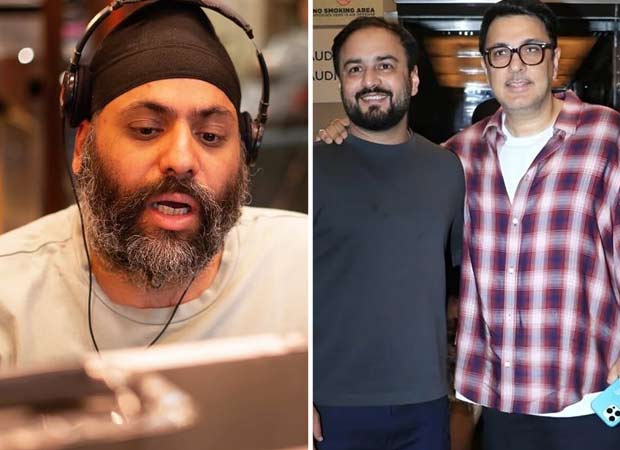
In the dynamic and often unpredictable world of Bollywood, where films are frequently caught in the crossfire of commercial interests and creative visions, director Navjot Gulati finds his latest project, “Pooja Meri Jaan,” stuck in a prolonged limbo. The filmmaker has recently come forward with heartbreaking revelations about how ongoing contractual disagreements have kept his film from reaching audiences — and how these delays have deeply personal implications for his family, especially considering his father’s last wishes.
Unveiling the Personal Toll Behind the Curtain of Bollywood
In an exclusive interview with Variety India, Navjot Gulati opened up about the emotional toll that the delay of “Pooja Meri Jaan” has taken on him. The film, which was initially slated for release in 2024, has faced a series of postponements, pushing back its debut to February 2026. But beyond the commercial setbacks lies a poignant story: Gulati’s father, who passed away in 2024, expressed a heartfelt desire to see his son’s work before he departed from this world.

“My father kept asking me during his final months, ‘Kab aayegi teri Pooja?’ (When will your Pooja come out?),” Gulati recalls with visible emotion. “I kept reassuring him that it would be soon, but unfortunately, that promise was never fulfilled. He died waiting for the film to see the light of day, and that loss weighs heavily on my heart.”
This personal story underscores how Bollywood films are not just commercial ventures but often carry emotional and familial significance for creators. Gulati’s narrative highlights the human side of the industry, revealing a side rarely seen amidst the glitz and glamour.
Behind the Curtain: The Business of Delays and Disputes
Gulati’s frustrations are compounded by opaque negotiations and unresolved contractual disagreements that have extended over months. According to him, the primary obstacle is a dispute over the film’s pricing — a common issue in the streaming era where digital rights and platform valuations can make or break a film’s release.
Initially, “Pooja Meri Jaan” was conceived as an OTT release, with plans to stream exclusively on JioCinema. However, following the platform’s merger with Disney+ Hotstar, the producers were reportedly told they could explore selling the film to other streaming services. This development, instead of opening new avenues, seems to have complicated matters further.
Gulati alleges that Maddock Films, the production house behind the project, is holding out for a higher price, making negotiations protracted and uncertain. He explains, “While I understand the business side — that they want the best deal — it’s frustrating that they are not willing to consider other release strategies or compromise.”
Adding to his concerns is the lack of communication. Gulati claims that the film’s co-producer, Amar Kaushik, has not responded to his calls or messages since October 2025, leaving him feeling isolated in what should be a collaborative process. “I’ve reached out multiple times, but there’s been no response. It feels like I’m fighting this battle alone,” he laments.
The Industry’s Broader Context: Streaming Wars and the Fate of Small Films
The battle over “Pooja Meri Jaan” is emblematic of the broader challenges faced by smaller films in Bollywood’s evolving landscape. As streaming giants like Disney+ Hotstar, Amazon Prime Video, and Netflix aggressively acquire content, the valuation of films has become a contentious issue, often leading to delays or shelving of projects that don’t meet high commercial thresholds.
In recent years, several promising Bollywood projects have faced similar delays due to valuation disagreements or strategic decisions by streaming platforms. The case of Shoojit Sircar’s unreleased film Shoebite serves as a stark reminder of how promising projects can languish in limbo despite critical acclaim or dedicated fanbases.
Gulati’s comments reflect a growing frustration among filmmakers and industry insiders who feel that smaller films are being sidelined in favor of big-budget blockbusters. “They are so focused on big movies now that they seem to forget the value of smaller, meaningful films,” he says. “This isn’t just about my film — it’s about the future of diverse storytelling in Bollywood.”
Personal Loss and the Search for Closure
Beyond the business implications, Gulati’s story is also a personal quest for closure. His social media post from January last year, where he shared the pain of losing his father and expressed hope for the film’s eventual release, resonated with many fans and industry peers alike. He wrote about the regret of being unable to show his father his “life’s best work,” emphasizing how personal dreams and professional ambitions are intertwined in Bollywood.
“My father believed in my vision,” Gulati shares. “He always told me to keep pushing forward, no matter the obstacles. Now, my hope is that ‘Pooja Meri Jaan’ will finally reach audiences — not just as a film, but as a tribute to his faith in me.”
What’s Next for ‘Pooja Meri Jaan’ and the Bollywood Industry?
As of now, the production team behind “Pooja Meri Jaan” has not issued any official statement addressing Gulati’s recent comments. The silence adds to the uncertainty surrounding the film’s future, leaving fans and industry insiders speculating about whether the film will eventually see the light of day.
However, this situation raises important questions about the future of Bollywood’s digital ecosystem. How can smaller films be protected from being pushed aside in the relentless pursuit of profit? What measures can be taken to ensure that filmmakers retain control over their work and are fairly compensated?
It also underscores the need for transparency and accountability in streaming negotiations, especially as Bollywood continues to adapt to the digital age. As more filmmakers voice their concerns, there is hope that industry stakeholders will work toward more equitable solutions that balance commercial interests with creative integrity.
Conclusion: A Personal and Industry-Wide Reflection
Navjot Gulati’s heartfelt revelations about the delays surrounding “Pooja Meri Jaan” serve as both a personal testament and a reflection of the broader challenges facing Bollywood today. Amidst the glitz, there are stories of perseverance, heartbreak, and unfulfilled dreams — stories that remind us that behind every film is a human story.
As the industry navigates the complex waters of streaming rights, valuation disputes, and creative expression, Gulati’s experience highlights the urgent need for more transparent, compassionate, and filmmaker-friendly practices. For now, fans and supporters await the day when “Pooja Meri Jaan” finally graces the screens — a victory not just for the filmmaker, but for the spirit of genuine storytelling in Bollywood.