Ram Gopal Varma Foresees a New Era in Bollywood and Global Cinema Driven by Artificial Intelligence
In recent months, Bollywood filmmaker Ram Gopal Varma has become a vocal advocate and critic of artificial intelligence’s disruptive potential in the world of cinema. His provocative statements have sparked widespread debate, suggesting that the traditional hierarchy of filmmaking—dominated by heavyweight directors and vast production crews—may soon be replaced by AI-powered tools accessible to anyone with a creative spark. As Varma intensifies his commentary, industry insiders and fans alike are pondering the profound implications AI could have on Bollywood and the global film industry.

From Hollywood Giants to AI Prompters: A Shift in Creative Power?
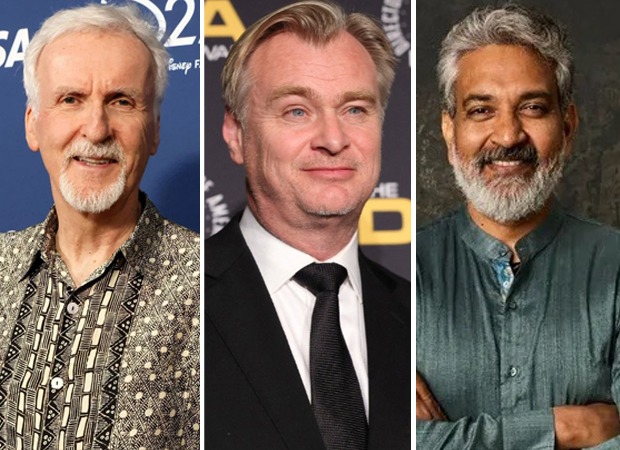
On February 26, 2024, Ram Gopal Varma took to social media to share a bold prediction: “The way SEA DANCE 2.0 is on a RAMPAGE it looks like @ssrajamouli’s competition will not be anymore with a NOLAN or a CAMERON but it will be with PROMPTERS.” This statement not only highlights the revolutionary influence of AI platforms like SEA DANCE 2.0 but also signals a paradigm shift in how cinematic storytelling might evolve. Traditionally, Hollywood auteurs such as Christopher Nolan and James Cameron have set the bar for filmmaking excellence, leveraging massive budgets, cutting-edge technology, and extensive crews. However, Varma’s comment hints at a future where AI prompts—simple yet powerful instructions—could enable individual creators to produce high-quality visuals with minimal resources.
By referencing prominent Hollywood directors, Varma underscores the transition from the era of big-budget filmmaking to one where AI democratizes the creative process. This democratization could potentially level the playing field for talented storytellers across Bollywood and Indian cinema, many of whom face systemic barriers such as funding shortages, limited access to equipment, or studio gatekeeping. As AI tools become more sophisticated, they could empower a new generation of filmmakers to craft visually stunning narratives without the need for large-scale production infrastructure.
AI as a Catalyst for Disruption and Liberation in Bollywood
In a detailed post on February 25, Ram Gopal Varma described AI platforms like SEA DANCE 2.0 as both a “murderer of the film industry” and an agent of liberation. This paradoxical view captures the essence of technological upheaval: while AI threatens traditional filmmaking models, it also offers unprecedented opportunities for aspiring creators.
Varma emphasizes that advanced AI filmmaking tools can dismantle the entrenched ecosystem where only those with massive budgets and industry connections get to tell stories. He points out that AI platforms enable users to generate cinematic visuals through detailed prompts, effectively removing many barriers that have historically limited independent filmmakers. This shift, he argues, heralds “true democracy in motion” within Indian cinema and beyond, allowing fresh voices and unconventional stories to gain prominence.
The End of the Traditional Filmmaking Model?
One of the most provocative aspects of Varma’s predictions concerns the potential collapse of the traditional filmmaking framework. He envisions a future where the core task of a director—translating a script into visual storytelling—could be executed by a single person using AI tools. No longer would production require large crews, extensive budgets, or star power; instead, a lone creator might produce a film with just a prompt and an AI-powered system.
“No more star issues. No more producers panicking over budgets. No more 300 people standing around waiting for one shot. Just one person. One prompt. One mind,” he wrote, illustrating a vision of streamlined, efficient filmmaking that challenges the very foundation of Bollywood’s traditional production processes.
Industry Ecosystem at a Crossroads: Dinosaur or Dinosaur Killer?
Drawing a vivid analogy, Varma compared the ongoing AI revolution to an asteroid strike that led to the extinction of the dinosaurs. He suggests that the current Bollywood and global cinema ecosystem, which has remained relatively unchanged for over a century, is now facing an inevitable and transformative disruption. This transformation could lead either to the industry’s demise or to a new chapter of democratized storytelling and innovation.
As AI continues to evolve, questions arise about the future of star power, big studios, and traditional production houses. Will AI tools render large budgets and star casts obsolete? Or will they serve as supplementary tools, enhancing human creativity rather than replacing it? These are questions that industry leaders and creators are grappling with as they observe the rapid advancements in AI technology.
What This Means for Bollywood and Global Cinema
While Ram Gopal Varma’s predictions may seem radical, they resonate deeply within Bollywood, a film industry known for its grand scale, star-driven narratives, and elaborate production setups. The potential for AI to lower entry barriers could have profound implications for regional cinema, independent filmmakers, and emerging talents who have often struggled to find a foothold in the industry’s traditional ecosystem.
Moreover, as Bollywood continues to expand its global footprint, embracing AI could help produce more diverse and innovative content tailored to international audiences. AI-driven tools can facilitate rapid prototyping of ideas, visual effects, and even multilingual content creation, thereby broadening the scope of Indian cinema’s influence worldwide.
Current Projects and Industry Dynamics
Meanwhile, amidst the AI debates, leading Bollywood director S. S. Rajamouli is busy with his upcoming project Varanasi, starring Mahesh Babu and Priyanka Chopra Jonas, with Prithviraj Sukumaran set to play the antagonist. Rajamouli’s film exemplifies the traditional grandeur and scale that Varma predicts might be challenged by AI-driven filmmaking in the near future. As Bollywood continues to produce epic stories, the question remains: how will emerging AI tools influence these large-scale productions?
As industry insiders debate the impending disruption, some see AI as a tool to enhance storytelling, while others fear it could undermine the artistry and craftsmanship that have defined Bollywood’s golden era. The truth likely lies somewhere in between, with AI serving as both a catalyst for innovation and a challenge to established norms.
Conclusion: A New Dawn or End of an Era?
Ram Gopal Varma’s outspoken predictions underscore a pivotal moment in the history of cinema—an industry on the brink of a technological revolution that could redefine the very fabric of filmmaking. Whether AI heralds a new era of democratized Bollywood or signals the end of traditional filmmaking remains to be seen. What is clear is that the intersection of artificial intelligence and cinema is poised to create opportunities and challenges alike, promising an exciting, unpredictable future for filmmakers and audiences worldwide.
As Bollywood continues to evolve, embracing both its rich heritage and innovative future, one thing is certain: the industry’s next chapter will be written in the language of technology, creativity, and bold new visions.