
Legal Dispute Clouds Bollywood’s Oscar-Nominated Film “Homebound” Amid Intellectual Property Controversy
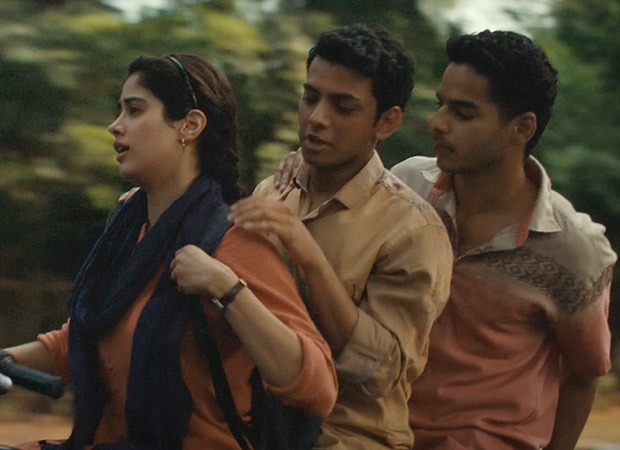
The recent buzz surrounding Bollywood has taken an unexpected turn as the critically acclaimed Hindi film “Homebound”, which has been shortlisted for the prestigious 98th Academy Awards, finds itself embroiled in a legal controversy. The film, directed by Neeraj Ghaywan and featuring a stellar cast including Ishaan Khatter, Janhvi Kapoor, and Vishal Jethwa, has captured international attention not only for its cinematic excellence but now also for allegations of intellectual property infringement. The controversy has cast a shadow over Bollywood’s ongoing quest for global recognition and raises important questions about originality and copyright protection within the industry.
Background of the Film and Its Oscar Shortlisting
“Homebound” is a poignant portrayal of the migrant worker crisis during the COVID-19 pandemic, inspired by real-life events that shook India and the world in 2020. The film’s compelling narrative, emotional depth, and powerful performances led to its nomination for the Oscars, marking a significant milestone for Bollywood on the global stage. The film’s success demonstrates Bollywood’s evolving storytelling prowess and its ability to address urgent social issues with nuance and sensitivity.

The Allegations: A Clash of Creativity and Copyright
However, behind the scenes, the film’s journey has encountered legal turbulence. Puja Changoiwala, a well-known journalist and author, has initiated legal proceedings against the film’s production house, Dharma Productions, and the streaming giant Netflix India, claiming copyright infringement. Changoiwala asserts that her 2021 novel, also titled “Homebound”, which explores themes of migration and human resilience during the pandemic, has been unlawfully copied by the filmmakers.
The Core of the Dispute: Similarities and Alleged Infringements
Changoiwala’s allegations are detailed and substantial. She states that her novel, which is rooted in the real-life COVID-19 migrant exodus of 2020, shares more than just a title with the film. According to her, the filmmakers have replicated significant portions of her narrative — including scenes, dialogues, structural elements, and sequence of events — without her consent. She emphasizes that her legal team’s scene-by-scene notice, dated October 15, 2023, outlined these infringements clearly, yet the production companies did not engage meaningfully with her claims.
“In the second half of the film, I discovered that the producers have not only misappropriated the title of my book but have also blatantly reproduced substantial portions of my novel — including its scenes, dialogue, narrative structure, sequence of events, and other creative expressions,” Changoiwala explained in an email to the press, as reported by The Free Press Journal.
Legal Proceedings and Industry Implications
To formalize her grievances, Changoiwala has filed an application with the Maharashtra State Legal Services Authority under Section 12A of the Commercial Courts Act, 2015. This step is a crucial pre-litigation move required before initiating a formal copyright infringement suit in the Bombay High Court. Her legal demand includes a permanent injunction to prevent further distribution of the film, removal of the infringing content, a change of title, and monetary damages for copyright violation.
Changoiwala’s decision to pursue legal action underscores her commitment to protecting intellectual property rights—a concern that increasingly resonates within Bollywood, especially as the industry gains global prominence. Her statement, “I know I’m challenging powerful entities by taking this step, but I believe it’s important for writers to defend their work when it’s misappropriated and exploited without their consent,” highlights the broader issue of creative integrity and copyright enforcement in Bollywood and beyond.
Industry Response and Future Outlook
As of now, neither Dharma Productions nor Netflix India has issued an official statement addressing the allegations, leaving industry insiders and fans eager for transparency. The legal proceedings unfold while the film continues its campaign for awards recognition, including its Oscar bid, which could have significant implications for Bollywood’s international reputation.
Director Neeraj Ghaywan and the cast remain focused on the film’s artistic achievements, with some industry observers noting that such disputes are not uncommon in Bollywood, where creative ideas often intersect and sometimes overlap. However, the case of “Homebound” raises critical questions about intellectual property rights, ethical filmmaking practices, and the importance of safeguarding original stories amid a rapidly evolving entertainment landscape.
Bollywood’s Growing Global Footprint and the Need for Copyright Awareness
The controversy surrounding “Homebound” arrives at a pivotal moment for Bollywood, which has seen a surge in international recognition, especially through Oscar campaigns and global film festivals. As Bollywood movies increasingly reach audiences worldwide, the importance of respecting intellectual property rights becomes more pronounced. Cases like this highlight the need for industry-wide awareness and stronger legal frameworks to protect writers and creators from unauthorized use of their work.
Moreover, the legal dispute underscores a broader trend in Bollywood where creative originality is being scrutinized more closely, prompting filmmakers, production houses, and streaming platforms to ensure compliance with copyright laws. This evolving landscape offers an opportunity for Bollywood to demonstrate its commitment to ethical storytelling and respect for creative rights, ultimately strengthening its reputation on the global stage.
Looking Ahead: The Impact on Bollywood and the Oscar Race
The outcome of this legal battle could have far-reaching consequences beyond the immediate dispute. A victory for Changoiwala could set a precedent for copyright enforcement within Bollywood, encouraging writers and creators to stand firm against infringement. Conversely, if the allegations are dismissed, it might lead to renewed debates about artistic inspiration versus infringement in Indian cinema.
As “Homebound” continues its awards campaign, including its Oscar aspirations, the controversy adds a layer of complexity to its narrative. The film’s journey from a social issue-driven project to a subject of legal contention reflects the multifaceted nature of Bollywood’s growth—where artistic excellence, legal integrity, and commercial success must go hand in hand.
Conclusion: A Call for Ethical Creativity in Bollywood
The legal dispute over “Homebound” shines a spotlight on the critical importance of protecting intellectual property rights in Bollywood. As the industry strives to carve out a distinguished place on the global cinematic map, embracing ethical practices and respecting original storytelling will be essential. This case serves as a reminder to filmmakers and producers that creativity and integrity are the bedrocks of lasting success in Bollywood’s vibrant and competitive landscape.
With the legal proceedings ongoing, all eyes remain on how this controversy unfolds and what it means for Bollywood’s future. Will it reinforce the need for stronger copyright protections, or will it spark a broader dialogue about inspiration and originality in Indian cinema? Only time will tell, but one thing is clear: Bollywood’s commitment to artistic excellence must go hand in hand with respect for the rights of its storytellers.