Controversy Erupts as Bollywood-Inspired Netflix Film ‘Ghooskhor Pandat’ Faces Legal Challenge Over Alleged Defamation
The Indian entertainment industry, renowned for its vibrant storytelling and cultural diversity, is once again embroiled in controversy. A recent legal petition filed in the Delhi High Court has raised serious concerns about the upcoming Netflix film Ghooskhor Pandat, alleging that its title and promotional content could harm the sentiments of the Brahmin community and potentially incite social disharmony. This development not only spotlights the sensitivities surrounding portrayals of religious communities in Bollywood and OTT content but also highlights ongoing debates about content regulation and freedom of expression in India.
Background of the Legal Challenge
On February 5, 2026, Mahender Chaturvedi, an esteemed acharya known for his scholarship in Indian scriptures, philosophy, and spiritual traditions, approached the Delhi High Court with a writ petition seeking an urgent stay on the release and streaming of Ghooskhor Pandat. Represented by Advocate Vineet Jindal, Chaturvedi’s plea argues that the film’s title and promotional material are not merely artistic expressions but could be interpreted as defamatory and offensive to the Brahmin community—an influential and historically revered social group in India.

The petition aims for a writ of mandamus directing the Union of India, along with Netflix India and the production team behind the film, to halt all distribution activities until the court can thoroughly examine the matter.
The Core Allegation: A Title that Offends Cultural Sensibilities
The central issue raised by the petitioner revolves around the film’s provocative title, Ghooskhor Pandat. The term “Pandat” (a variant spelling of “Pandit”) traditionally signifies a learned scholar, spiritual guide, or priest, embodying qualities of wisdom, ethical conduct, and religious integrity. However, the petitioner claims that the prefix “Ghooskhor”—a word associated with bribery, corruption, or unethical behavior—maliciously tarnishes the reputation of the Brahmin community by linking their revered title with dishonesty.
This juxtaposition, Chaturvedi contends, not only disrespects the cultural ethos but also perpetuates stereotypes that can deepen social divides. The plea emphasizes that such associations could foster misconceptions and fuel communal tensions, especially in a diverse society like India where religious sensitivities run deep.
Implications for Social Harmony and Community Dignity
Beyond the title, the petition critiques the promotional materials associated with Ghooskhor Pandat, arguing that they further stereotype an entire community. The film’s trailers, posters, and marketing campaigns allegedly depict Brahmins in a negative light, portraying them as corrupt or morally compromised characters—an approach that the petitioner claims is unfair and potentially harmful.
In India, where religion and community identities are intertwined with social and political life, such portrayals can have ripple effects, impacting public perception and community cohesion. The petitioner fears that the film’s narrative, if released without scrutiny, could incite communal unrest or deepen existing prejudices.
Legal and Constitutional Perspectives
The petition invokes several provisions of the Indian Constitution to support its case. It asserts that the film’s content violates fundamental rights guaranteed under:
- Article 14: The right to equality before the law and equal protection of the laws.
- Article 21: The right to life and personal liberty, which includes protection against defamation and harmful content.
- Article 25: The freedom of conscience and free profession, practice, and propagation of religion, albeit subject to reasonable restrictions.
While acknowledging the importance of free speech under Article 19(1)(a), the plea underscores that this right is not absolute. It is subject to restrictions in cases of hate speech, defamation, or content that could disturb public order. The petitioner argues that the film’s promotional material crosses these boundaries, posing a threat to societal harmony.
Regulatory Gaps in OTT Content Oversight
The petition also raises concerns about the regulatory framework governing OTT platforms like Netflix. Unlike traditional cinema, which is subject to censorship and classification by the Central Board of Film Certification (CBFC), OTT content remains relatively unregulated, creating a vacuum that can be exploited to disseminate potentially inflammatory material.
Chaturvedi advocates for stricter oversight and guidelines to prevent content that could incite communal tensions or perpetuate stereotypes, emphasizing that social media and streaming platforms must be held accountable for their role in shaping public discourse.
The Film: A Bollywood-Style Thriller with a Notable Cast
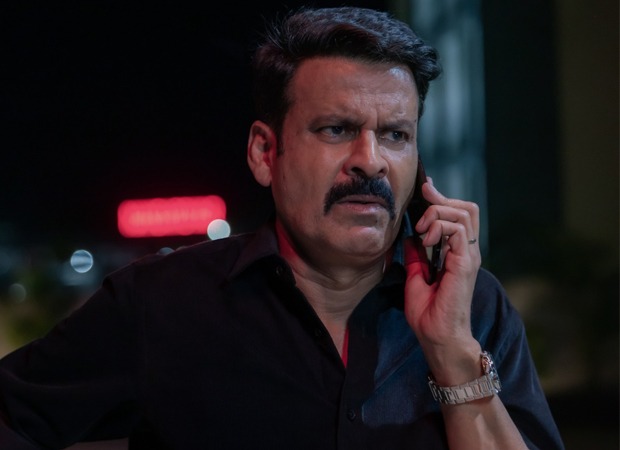
Ghooskhor Pandat features acclaimed Bollywood actor Manoj Bajpayee in the lead role, portraying a police officer affectionately nicknamed “Pandat.” The film was unveiled at a recent industry event as part of Netflix’s ambitious 2026 content slate, promising an engaging narrative filled with action, intrigue, and social commentary.
According to the film’s makers, “Ghooskhor Pandat” aims to explore complex themes through a gripping storyline, with the setting and character development designed to resonate with a diverse audience. Despite the controversy, Netflix has highlighted that the film reflects contemporary societal issues, a hallmark of modern Bollywood storytelling that often blurs the lines between entertainment and social critique.
Responses from Netflix and the Creators
As of now, Netflix India and the Ghooskhor Pandat production team have not issued official statements regarding the legal challenge or the petition. Industry insiders speculate that the streaming giant is closely monitoring the situation, emphasizing its commitment to responsible content dissemination.
In Bollywood circles, discussions are underway about the balance between creative freedom and cultural sensitivity, especially given the rising influence of OTT platforms in shaping public narratives. Critics argue that while Bollywood and streaming services have historically pushed boundaries, they must do so with respect for societal values and religious sentiments.
Broader Context: The Intersection of Bollywood, OTT Content, and Social Responsibility
The controversy surrounding Ghooskhor Pandat is emblematic of larger debates about Bollywood’s role in reflecting societal realities versus perpetuating stereotypes. Historically, Bollywood has been both a mirror and a moulder of Indian culture, often walking a fine line between artistic expression and social responsibility.
With the rise of OTT platforms like Netflix, Amazon Prime, and Hotstar, the scope for diverse storytelling has expanded, but so have concerns about content regulation. Critics argue that without proper oversight, sensational or offensive material can spread rapidly, influencing vulnerable sections of society.
Conversely, supporters maintain that artistic freedom and freedom of speech are fundamental rights that must be protected, even if some content provokes controversy. They assert that dialogues like the petition against Ghooskhor Pandat should serve as catalysts for establishing clearer guidelines rather than suppressing creative expression.
The Road Ahead: Legal and Cultural Implications
The Delhi High Court’s decision on this case could set a precedent for how Bollywood and OTT content are regulated in India. A ruling in favor of the petitioner might lead to stricter scrutiny of titles, promotional material, and storytelling themes that touch on religious and cultural identities.
On the other hand, a verdict affirming artistic freedom could reinforce the importance of free expression, provided that content does not incite hate or violence. It will also spark discussions on creating a balanced regulatory framework that respects both creative rights and social sensitivities.
This incident underscores the vital importance of dialogue between content creators, regulatory authorities, and communities. As Bollywood continues to evolve in the digital age, the challenge lies in producing compelling stories that entertain without offending, fostering social harmony while celebrating India’s rich cultural tapestry.
Conclusion: Navigating the Complex Landscape of Bollywood and OTT Content
The legal challenge against Ghooskhor Pandat highlights the ongoing tension between artistic expression and cultural sensitivities in India’s vibrant entertainment sector. As Bollywood and OTT platforms push creative boundaries, they must also navigate the complex terrain of social responsibility and community respect.
While the court’s decision remains awaited, this case serves as a reminder of the power of media to influence perceptions and the importance of responsible storytelling. Ensuring that entertainment promotes cultural pride rather than stereotypes will be crucial as India’s entertainment industry continues to grow on both national and global stages.
Ultimately, the debate surrounding Ghooskhor Pandat is about more than a single film; it reflects broader societal values and the ongoing quest to balance freedom of expression with respect for India’s diverse communities. As Bollywood continues to captivate audiences worldwide, fostering a culture of responsible creativity will be key to its sustainable growth and positive influence.