
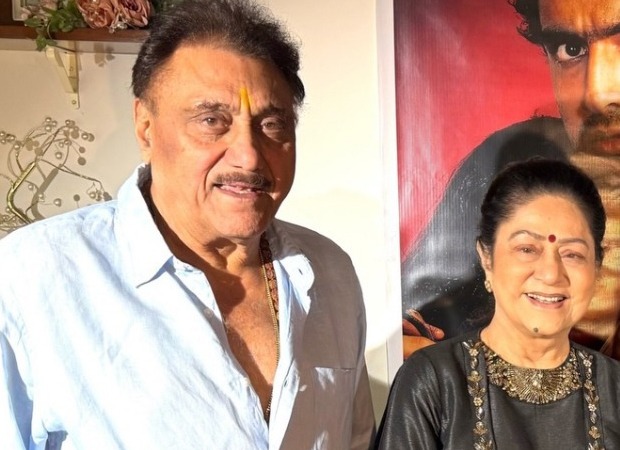
Renowned Bollywood Director Kuku Kohli Passes Away at 68: A Legacy of Memorable Films and Artistic Vision
In a somber development that has sent ripples through the Indian entertainment industry, veteran Bollywood filmmaker Kuku Kohli, born Avtar Kohli, passed away today at the Kokilaben Dhirubhai Ambani Hospital in Mumbai. His death was attributed to heart-related ailments, according to sources close to the family. The news has left fans, colleagues, and industry insiders mourning the loss of a talented director whose work significantly contributed to Bollywood’s rich cinematic history.
Celebrating a Life Dedicated to Bollywood and Filmmaking
Kuku Kohli’s career spanned several decades, during which he crafted a distinctive niche for himself within Hindi cinema. Known for his engaging storytelling, vibrant direction, and penchant for hits that resonated with audiences, Kohli played an instrumental role in shaping Bollywood’s commercial landscape in the 1990s. His contributions extend beyond just entertainment, as his films often reflected contemporary societal themes and showcased emerging talent.

Notable Films and Cinematic Contributions
Kohli’s directorial ventures include some of the most memorable Hindi films of the late 20th century. Among his most celebrated works are:
- Phool Aur Kaante (1991): This blockbuster marked the debut of Bollywood superstar Ajay Devgn and is remembered for its iconic action sequences and romantic storyline. The film established Devgn as a leading actor and remains a classic in Bollywood’s action genre.
- Suhaag (1994): A high-octane action drama featuring stars like Ajay Devgn and Akshay Kumar, which was appreciated for its adrenaline-pumping sequences and engaging plot.
- Haqeeqat (1995): An intense war drama that showcased Kohli’s versatility as a director capable of handling serious subject matter with sensitivity and depth.
- Anari No. 1 (1994): A family entertainer blending comedy and drama, reflecting Kohli’s ability to craft films that appealed to a broad audience.
- Yeh Dil Aashiqanaa (2002): A romantic drama that added to his repertoire of successful films, demonstrating his continued relevance in Bollywood even in the new millennium.
These films not only entertained millions but also contributed to the evolving landscape of Bollywood, influencing aspiring filmmakers and actors alike.
Kuku Kohli’s Personal Life and Family
Kohli was married to the legendary Bollywood actress Aruna Irani in 1990, forming one of the industry’s most talked-about couples. Aruna Irani, renowned for her versatile acting and dance skills, has been an enduring figure in Hindi cinema. Their union was celebrated as a blend of talent and experience, enriching the Bollywood fraternity.
Prior to his marriage with Aruna Irani, Kuku Kohli was married to Rita Kohli. From his first marriage, he was a proud father to two daughters: Pooja Kohli and Karishma Kohli. His daughter Karishma has also ventured into filmmaking, continuing the family’s artistic legacy and highlighting the importance of creative expression passed down through generations.
Health Struggles and Passing
In recent years, Kuku Kohli faced health challenges that required ongoing medical attention. He was reportedly undergoing treatment at the Kokilaben Dhirubhai Ambani Hospital in Mumbai, a facility known for its advanced healthcare services. Despite efforts to recover, his condition worsened due to heart-related issues, ultimately leading to his untimely demise. As of now, further details about his health and the specific circumstances surrounding his passing are awaited, with his family and close friends mourning the loss of a beloved figure.
The Impact of Kuku Kohli’s Work on Bollywood
Kuldeep Kohli’s influence on Bollywood cannot be overstated. His films, characterized by energetic storytelling, memorable music, and compelling performances, helped define the era of 1990s Hindi cinema. His debut directorial film, Phool Aur Kaante, remains a cultural touchstone, remembered for its iconic motorcycle stunt sequence and the debut of Ajay Devgn, who would go on to become one of Bollywood’s leading stars.
Beyond commercial success, Kohli’s films often showcased a blend of traditional Indian values with modern cinematic techniques, appealing to a diverse audience. His ability to balance entertainment with emotional depth contributed to his reputation as a filmmaker committed to quality storytelling.
Reflecting on Controversies and Cultural Context
In the wake of his passing, discussions have also emerged about the broader cultural context of some of his films. For instance, actress Madhoo, who starred in Phool Aur Kaante, reflected on the film’s portrayal of romance and harassment, noting how societal perceptions have evolved since then. She remarked, “We all looked at it as romance,” highlighting how perceptions of gender dynamics and consent have changed over the decades. These reflections offer a nuanced perspective on Bollywood’s evolving narrative styles and social responsibilities.
Legacy and Remembrance
The passing of Kuku Kohli marks the end of an era, but his cinematic legacy continues to inspire new generations of filmmakers and actors. His contribution to Bollywood’s golden years, especially through films that combined commercial appeal with storytelling finesse, remains etched in the memories of cinephiles across India and beyond.
The industry has expressed heartfelt condolences, with colleagues and fans sharing tributes on social media. His films continue to be celebrated on television and streaming platforms, ensuring that new audiences discover his work and appreciate his artistic vision.
Conclusion: A Tribute to a Filmmaker Who Defined an Era
Kuku Kohli’s journey as a Bollywood filmmaker exemplifies dedication, creativity, and the power of cinema to entertain and inspire. His death is a profound loss, but his films and contributions will endure, inspiring future storytellers to carry forward his legacy of vibrant, engaging, and impactful cinema. As Bollywood continues to evolve, the memory of directors like Kohli reminds us of the magic that cinema can create and the timeless stories that define Indian culture.