
Controversy Surrounds Upcoming Bollywood Film ‘The Taj Story’ as PIL Seeks Censorship Over Historical Claims
The vibrant world of Bollywood is no stranger to films that spark intense debates, but the latest controversy involves a forthcoming movie titled ‘The Taj Story’. Scheduled for release on October 31, this film has ignited a fierce debate in India, drawing attention not just from cinephiles but also from political and social groups concerned about its portrayal of one of the country’s most iconic monuments—the Taj Mahal.
Legal Action Initiated Over Alleged Distortion of Historical Facts
In a significant development, a public interest litigation (PIL) has been filed before the Delhi High Court, demanding action against the filmmakers and the Central Board of Film Certification (CBFC). The petition, filed by advocate Shakeel Abbas, raises serious concerns about the film’s content and its potential to disturb social harmony.

The petitioner alleges that ‘The Taj Story’ propagates “fabricated and provocative content” that challenges the widely accepted historical narrative of the Taj Mahal. The film’s promotional poster, which features a striking visual of Lord Shiva’s statue emanating from the Taj Mahal’s dome, has further intensified the controversy. Critics argue that such imagery revives long-standing, disputed theories claiming the monument was originally a Hindu temple—an assertion that is strongly contested by mainstream historians and scholars.
Why the Controversy Matters: Historical Narratives and National Identity
The Taj Mahal, recognized globally as a UNESCO World Heritage Site, symbolizes India’s rich cultural and architectural heritage. Any attempt to rewrite or distort its history can have far-reaching implications, not only for academic integrity but also for national identity and communal harmony. The petitioner contends that the film’s speculative assertions could undermine the monument’s historical significance and provoke communal tensions, especially in a country where religion and history are sensitive topics.
Additionally, the PIL emphasizes that the film contains “deeply divisive scenes” that could incite unrest, citing instances where political leaders and fringe groups have amplified such narratives for political gain. The concern is that these provocative depictions might not only sow discord among communities but also tarnish India’s international reputation as a peaceful, diverse nation.
Legal and Regulatory Perspectives: The Role of the CBFC and Film Certification
At the heart of the controversy lies the role of the Central Board of Film Certification (CBFC), the regulatory authority responsible for screening and certifying films before their release in India. The petition urges the CBFC to review the certification granted to ‘The Taj Story’ and consider whether the film’s content warrants modifications or restrictions to prevent potential harm to social harmony.
Moreover, the plea calls for the inclusion of a prominent disclaimer clarifying that the film presents a contested narrative rather than established historical facts. Such a disclaimer could serve as a crucial tool in informing viewers about the speculative nature of certain assertions, thereby reducing the risk of misinformation and misinterpretation.
Reactions from Bollywood and the Creative Community
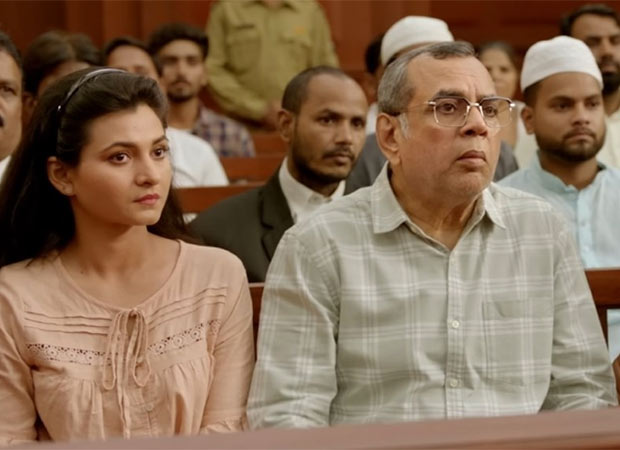
The controversy surrounding ‘The Taj Story’ has sparked a broader debate within Bollywood, the heart of India’s film industry. Renowned actor Paresh Rawal, who stars in the film, has publicly responded to the allegations, asserting that the movie focuses solely on historical facts. Rawal emphasized that the film aims to shed light on different perspectives, encouraging viewers to engage with history critically rather than accept it uncritically.
Despite such clarifications, critics argue that the film’s provocative imagery and narrative could still be misused to deepen existing divides. The incident underscores the delicate balance Bollywood must maintain between creative freedom and social responsibility, especially when dealing with sensitive historical and religious themes.
Historical Context: The Ongoing Debate Over the Taj Mahal’s Origins
The controversy taps into a long-standing debate about the origins of the Taj Mahal. Some fringe groups and conspiracy theories claim that the monument was originally a Hindu temple called Tejo Mahalaya, built by a Hindu ruler before being converted into a mausoleum by Mughal emperor Shah Jahan. These claims have been widely discredited by mainstream historians, who point to extensive archaeological evidence supporting the monument’s Mughal origins and Islamic architecture.
Nevertheless, such myths persist and are occasionally exploited for political or ideological purposes, often resulting in social tensions. Films like ‘The Taj Story’ risk reigniting these debates, especially when presented without adequate context or disclaimers.
Implications for Bollywood’s Role in Shaping Public Discourse
Bollywood has historically played a pivotal role in shaping cultural narratives and reflecting societal issues. However, this influence carries a responsibility to promote truth, cultural sensitivity, and social cohesion. The ongoing controversy around ‘The Taj Story’ highlights the importance of ethical filmmaking, especially when dealing with topics that resonate deeply with national identity and religious sentiments.
As the film approaches its release date, industry insiders and advocacy groups are watching closely. The debate underscores a broader conversation about the boundaries of artistic expression in India and the need for responsible storytelling that respects historical facts and communal harmony.
Looking Ahead: The Future of Bollywood and Sensitive Historical Content
The case of ‘The Taj Story’ may set a precedent for how controversial historical narratives are handled within Indian cinema. It raises vital questions about censorship, artistic freedom, and the role of regulatory bodies in safeguarding national unity. While creative expression is fundamental to Bollywood’s vibrancy, it must be balanced with the responsibility to avoid misinformation and communal discord.
Ultimately, this controversy underscores the importance of dialogue and understanding in a diverse nation like India. Films have the power to educate, inspire, and unite, but they also carry the potential to divide if not approached thoughtfully. As Bollywood continues to evolve, industry stakeholders must prioritize respectful storytelling that honors India’s multifaceted history and cultural diversity.
Conclusion
The upcoming release of ‘The Taj Story’ has ignited a crucial conversation about history, politics, and artistic responsibility in Bollywood. The PIL filed in the Delhi High Court reflects society’s concern over how cinematic narratives can influence public perception and communal harmony. As the debate unfolds, it serves as a reminder that cinema, while a powerful art form, must be wielded responsibly—especially when addressing sensitive topics intertwined with India’s national identity and religious sentiments.
In the days ahead, stakeholders across Bollywood, government authorities, and civil society will need to collaborate to ensure that creative freedom does not come at the cost of social peace. The film industry’s future depends on its ability to produce content that is both engaging and respectful of the diverse stories that define India’s rich cultural tapestry.