Legal Challenges Mount Against Bollywood Film ‘The Kerala Story 2’ Over Title and Content
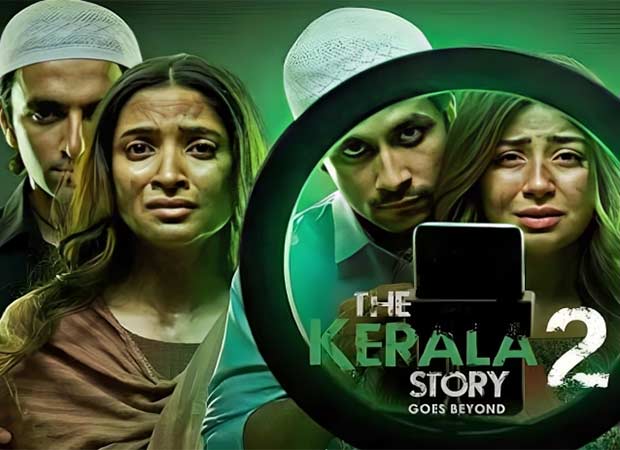
The recent release of the highly controversial Bollywood film ‘The Kerala Story 2’ has ignited a fierce debate across legal, social, and cultural spheres in India. A fresh Public Interest Litigation (PIL) has been filed before the Kerala High Court, raising serious concerns about the film’s title, its portrayal of Kerala, and the potential social repercussions tied to its content. This development underscores the ongoing tensions between creative expression and societal sensitivities in Indian cinema, especially when dealing with sensitive socio-political themes.
Legal Petition Challenges the Film’s Title and Portrayal of Kerala
The PIL, submitted on March 3 by a retired social science teacher and a practicing lawyer, seeks to have the High Court order the removal of the word ‘Kerala’ from the film’s title. The petitioners argue that the inclusion of ‘Kerala’ in the title unfairly associates the state with controversial and sensitive themes, which could tarnish its image both nationally and internationally. They contend that the film’s narrative, which allegedly depicts Kerala as a hub for forced religious conversions, is misleading and could perpetuate false stereotypes about the state’s social fabric.

According to the petition, such portrayals risk damaging Kerala’s reputation as a progressive, peaceful, and culturally rich state. The petitioners emphasize that the film’s framing might lead audiences to associate Kerala with extremism or social unrest, which could have tangible consequences, including tourism declines and social stigmatization of its residents. They also highlight the importance of safeguarding the state’s reputation through responsible filmmaking and accurate representation.
Ongoing Legal Battles and Court Orders
The legal tussle surrounding the film is not new. The petition references a recent interim order issued by a Single Bench of the Kerala High Court, which temporarily stayed the film’s release. The stay was granted at a stage when the film was reportedly yet to be uploaded or publicly screened, indicating judicial caution in balancing creative freedom with potential societal harm.
However, the film’s producers have challenged this stay by approaching a Division Bench of the High Court. They argue that the interim order was premature, and they are confident that the film’s release will be allowed, citing freedom of expression rights protected under Indian law. This ongoing legal back-and-forth highlights the complex interplay between censorship, artistic expression, and legal safeguards in a democratic society.
Concerns Over Social and Communal Impact
Beyond legal technicalities, the petitioners have voiced serious concerns about the possible social fallout of the film’s content. They argue that the narrative, as understood from available trailers and snippets, may incite hostility and misunderstanding among different communities in Kerala, particularly targeting the Muslim community. The petition warns that such portrayals could deepen existing communal sensitivities and disturb Kerala’s longstanding tradition of religious harmony.
Kerala, known for its vibrant multicultural ethos, has historically been a model of communal coexistence. Any depiction that undermines this fabric, even if fictional or exaggerated, poses risks of social discord. The petitioners stress that filmmakers should exercise responsibility, especially when dealing with themes that could inflame communal tensions beyond the screen.
Demand for Disclaimers and Regulatory Reforms
In addition to seeking the removal of ‘Kerala’ from the film’s title, the petitioners have urged the court to mandate a clear disclaimer stating that the story is entirely fictional. They argue that such a disclaimer would help prevent misinterpretation and ensure that audiences do not conflate the film’s narrative with reality.
Further, they have called on the Central Government and the Central Board of Film Certification (CBFC) to establish stricter guidelines for film titles and promotional material. The plea advocates for comprehensive norms that prevent movies from denigrating or maligning any particular State, region, caste, or religion through their branding or marketing. These measures aim to foster responsible filmmaking and protect the cultural integrity of diverse Indian communities.
Broader Implications for Bollywood and Indian Cinema
The controversy surrounding ‘The Kerala Story 2’ reflects larger debates within Bollywood and the broader Indian film industry. As filmmakers increasingly explore sensitive social and political issues, questions about artistic freedom versus societal responsibility have gained prominence. The legal challenges and public discourse highlight the need for a balanced approach that respects creative expression while safeguarding communal harmony and regional reputations.
Historically, Bollywood has been a powerful cultural force capable of shaping public perceptions. Films like Padmaavat and Padman have previously faced censorship and protests, demonstrating the volatile intersection of art, politics, and social values. The current controversy underscores the ongoing struggle to define the boundaries of permissible content in Indian cinema, especially when the narratives touch upon communal and religious sensitivities.
Recent Court Developments and Future Outlook
As of now, the Kerala High Court is expected to review the PIL in the coming days. The court’s decision could set important legal precedents regarding film titles, content regulation, and the scope of artistic freedom in India. The case also raises questions about the role of censorship bodies like the CBFC and their authority to regulate creative works without stifling artistic expression.
Moreover, this legal battle feeds into the larger societal debate about responsible storytelling in Bollywood. While filmmakers aim to shed light on complex issues, they also carry the responsibility of ensuring their narratives do not incite hatred or misinformation. The court’s intervention could lead to clearer guidelines and safeguards for future productions, fostering a more balanced environment for artistic endeavors.
Conclusion: Navigating the Fine Line Between Art and Responsibility
The controversy surrounding ‘The Kerala Story 2’ encapsulates the delicate balancing act faced by Bollywood and Indian filmmakers today. As cinema continues to evolve as a potent medium for social commentary, it must do so within the framework of responsible storytelling that respects cultural sensitivities and promotes social harmony.
Legal challenges like the PIL before the Kerala High Court highlight the importance of regulatory oversight, but also underscore the need to preserve creative freedom. The outcome of this case could influence future Bollywood productions, encouraging filmmakers to approach sensitive topics with greater responsibility while safeguarding their artistic vision.
Ultimately, the debate surrounding this film is a reflection of India’s diverse, vibrant democracy—where freedom of expression must coexist with respect for communal harmony and regional identities. As Bollywood continues to produce compelling stories that resonate across the nation and the world, striking this balance remains both a challenge and a necessity.