Prime Minister Narendra Modi Shares Playful Moment with Israeli Web Series Fauda Cast During Israel Visit
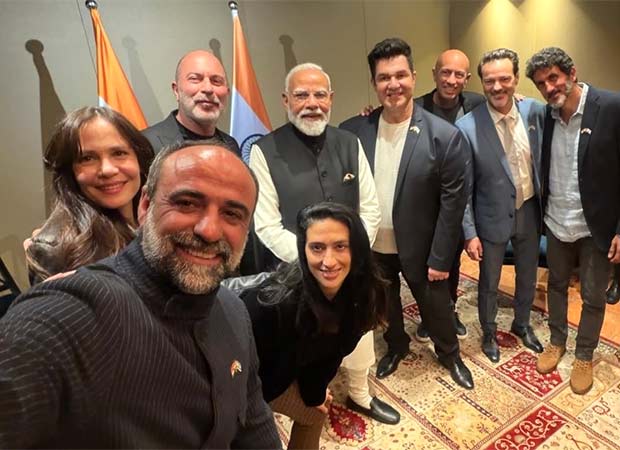
In a delightful and unexpected interaction during his ongoing visit to Israel, Indian Prime Minister Narendra Modi took a moment to connect with the cast of the internationally acclaimed Israeli web series Fauda. Demonstrating his characteristic sense of humor and curiosity about global entertainment, Modi posted a light-hearted selfie with the cast members on social media on February 26, marking the second day of his diplomatic trip. His caption, “Thankfully, this interaction required only a selfie, no undercover work,” not only showcased his playful side but also highlighted the series’ gripping narrative style that has captivated audiences worldwide.
Fauda’s Growing Popularity in India: From Screen to Streaming Platforms
Fauda, a high-octane Israeli web series centered on counter-terrorism operations, has garnered a significant and loyal fan base in India over the years. The show’s compelling storytelling, complex characters, and realistic depiction of geopolitical conflicts have resonated deeply with Indian viewers. Its success is a testament to the global appeal of authentic storytelling rooted in regional conflicts, which can transcend cultural boundaries and foster greater understanding.

Following the series’ international acclaim, Indian producers and streaming platforms recognized its potential, leading to the creation of an Indian adaptation titled Tanaav. Produced by Applause Entertainment, Tanaav is now gearing up for its third season, continuing to explore the turbulent landscape of Kashmir through a nuanced and localized lens. The series has been praised not only for its compelling narrative but also for its ability to adapt the core themes of Fauda to fit the Indian socio-political context, making it more relatable to Indian audiences.
Expanding the Narrative: The Success of Tanaav in Indian Television
Tanaav stands out as a remarkable example of how international content can be effectively localized to reflect regional realities. Set against the backdrop of militancy and counter-insurgency in Kashmir, the series delves into issues of identity, loyalty, and conflict, echoing the intense political narratives that have long been part of Indian discourse. Critics have lauded the show for its authentic depiction of the region, as well as its ability to maintain the suspense and grit that made Fauda a global phenomenon.
Veteran actress Zarina Wahab, who plays a pivotal role in Tanaav, expressed her enthusiasm about the Prime Minister’s engagement with the Israeli cast. She remarked, “I wonder if he knows about its Indian adaptation. We have worked very hard to give Tanaav its own identity,” highlighting the dedication of the creative team to ensure the series’ cultural authenticity and relevance.
Bridging Cultures: India and Israel’s Growing Cultural Ties
This interaction between Prime Minister Modi and the Fauda team underscores a broader trend of deepening cultural and diplomatic relations between India and Israel. Historically known for their strategic partnerships in defense, agriculture, and technology, the two nations are increasingly exploring avenues of cultural exchange that foster mutual understanding and cooperation.
Storytelling, especially through streaming platforms and digital content, has become a powerful tool in strengthening these cultural bonds. Shows like Tanaav and Fauda serve as a bridge, introducing diverse audiences to regional histories, conflicts, and perspectives, thereby creating a shared narrative that transcends borders.
Bollywood’s Role in Promoting Cross-Cultural Exchanges
While the focus of this visit and the interaction with Fauda centers on Israeli content, it also brings to light the significant role Bollywood plays in fostering international cultural dialogues. As the world’s largest film industry, Bollywood has long been an ambassador of Indian culture, showcasing its diverse traditions, stories, and talent on global platforms.
In recent years, Bollywood’s influence has extended beyond entertainment, impacting international perceptions of India’s rich heritage and contemporary society. Collaborations with international artists, inclusion of global themes in movies, and participation in cross-cultural festivals have all contributed to India’s soft power and cultural diplomacy.
Looking Ahead: The Future of International Content and Cultural Diplomacy
The Prime Minister’s light-hearted selfie with the Fauda cast is more than just a humorous anecdote; it symbolizes the evolving landscape of international storytelling and diplomacy. As streaming services continue to expand their global reach, content that reflects regional conflicts, cultural nuances, and political realities will play an increasingly vital role in fostering understanding across borders.
India, with its burgeoning entertainment industry and growing global influence, is poised to become a significant hub for producing and adapting international content. The success of series like Tanaav exemplifies how localized storytelling can resonate globally, paving the way for more collaborations and exchanges that celebrate diversity and shared human experiences.
Conclusion: A Moment of Cultural Connection and Diplomacy
Prime Minister Narendra Modi’s interaction with the Fauda team during his visit to Israel highlights the power of entertainment as a diplomatic tool. It exemplifies how cultural exchanges—be it through web series, streaming content, or Bollywood films—can strengthen international ties and promote mutual understanding.
As the world becomes more interconnected, stories that explore regional conflicts and human stories will continue to serve as bridges, fostering empathy and dialogue. In this vibrant tapestry of global culture, Bollywood remains a vital thread—connecting India to the world and inspiring collaborations that transcend borders and boundaries.
With the ongoing success of Tanaav and the burgeoning popularity of international series like Fauda, the future of cross-cultural entertainment looks promising. It signals a new era where storytelling is not just entertainment but a vital part of international diplomacy and cultural diplomacy, uniting people through shared narratives and collective understanding.