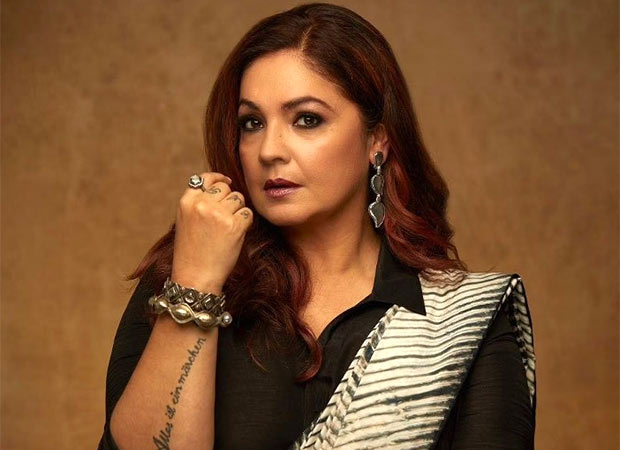
Bollywood Actress and Filmmaker Pooja Bhatt Voices Support for Student Rights Amid Delhi University Advisory
In a bold stance that echoes the ongoing debate surrounding student protests in India, Bollywood actress and filmmaker Pooja Bhatt has publicly criticized the recent advisory issued by Delhi University urging students and faculty members to stay away from protests at Jantar Mantar. Her comments highlight a larger issue concerning the rights of young people to voice their opinions and the role of educational institutions in safeguarding democratic freedoms.

Background: The Student Protest Movement and Its Growing Significance
The protests at Jantar Mantar, which began over allegations of irregularities in the education system—including the controversial NEET paper leak—have rapidly escalated into a nationwide movement. Students from across India, along with academics and civil society organizations, have mobilized to demand greater transparency, accountability, and reforms in the country’s education policies. The movement has gained momentum, with demonstrations spreading beyond Delhi to major cities like Mumbai, Bengaluru, and Kolkata.
Protesters are calling for the resignation of Union Education Minister Dharmendra Pradhan and demanding a thorough investigation into the NEET leak scandal, which has rocked the credibility of India’s competitive examination system. These protests have become a symbol of broader frustrations among Indian youth regarding systemic corruption, lack of transparency, and educational disparities.
Delhi University’s Official Advisory and Its Implications
Amid this backdrop, Delhi University issued an official statement via its social media channels, urging students and faculty to refrain from participating in what it termed “unlawful assemblies” at Jantar Mantar. The advisory emphasized that such gatherings are regulated under Supreme Court directives and warned that participation could result in legal consequences. The university also expressed concerns about students’ safety, potential disruptions to academic pursuits, and the spread of misinformation associated with the protests.
“Participation in these demonstrations may not only jeopardize personal safety but could also have adverse effects on students’ academic progress and future career prospects,” the advisory cautioned. It also highlighted the circulation of fake news and misleading content related to the protests, urging caution among students and faculty alike.
Pooja Bhatt’s Support for Student Freedom of Expression
In a powerful response, Pooja Bhatt took to social media platform X (formerly Twitter) to express her disagreement with the university’s stance. Sharing the official advisory, she wrote, “The students’ safety is more in jeopardy if their voices are suppressed. If we are truly invested in their future, we must support their right to speak out rather than maintain a conspiracy of silence.” Her words resonate with many who believe that curtailing youth protests undermines fundamental democratic principles and stifles healthy political discourse.
Bhatt’s comments add a new voice to the chorus of support from various sections of the entertainment industry and civil society. Her stance underscores a growing concern that educational institutions should serve as platforms for free expression, especially on issues that directly impact the future of the nation’s youth.
The Role of Bollywood and Celebrities in Social Movements
The involvement of Bollywood personalities in political and social debates is not new. Over the years, actors, filmmakers, and musicians have often used their platforms to advocate for causes ranging from environmental issues to social justice. In the context of the student protests, several prominent figures from the film industry have publicly supported the movement, emphasizing the importance of dialogue, transparency, and accountability in education.
For instance, some actors have called for peaceful protests and condemned political interference, emphasizing that students must be allowed to voice their concerns freely. Others have shared messages of solidarity, urging authorities to listen to the grievances of the youth rather than suppress them through legal or administrative measures.
Broader Context: Education Reforms and Political Dynamics
The protests also shine a light on the broader challenges facing India’s education system. Allegations of exam paper leaks, corruption, and inadequate reforms have fueled public discontent. The NEET exam, as a gateway to medical and dental colleges, has been particularly controversial, with many students and educators demanding reforms to ensure fairness, transparency, and accessibility.
Moreover, the protests have become a reflection of the ongoing political discourse in India, with opposition parties and civil society groups criticizing the government’s handling of the situation. Critics argue that suppressing student protests through advisories and legal threats only exacerbates tensions and undermines democratic values.
Looking Ahead: The Future of Student Movements in India and the Role of Bollywood
As the protests continue to evolve, the role of influential voices like Pooja Bhatt and other Bollywood personalities becomes increasingly significant. Their support can galvanize public opinion and inspire more young people to participate in civic activism. The entertainment industry’s engagement underscores the importance of cultural figures as catalysts for social change.
Furthermore, the movement raises important questions about the balance between law and order, individual rights, and institutional authority. Education reform advocates argue that fostering open dialogue, rather than silencing dissent, is essential for a robust democracy and a resilient education system.
Conclusion: Standing for Democratic Rights and Educational Integrity
The clash between authorities and student protesters at Jantar Mantar exemplifies the broader struggle for democratic rights and accountability in India. The support from Bollywood and other sectors signals a collective call for transparency, dialogue, and reform. As Pooja Bhatt and numerous others advocate for the protection of student voices, it’s clear that the future of India’s education system depends on listening to its youth, respecting their right to protest, and fostering an environment where change can be driven through peaceful means.
In a nation where education shapes the future, ensuring that young voices are heard and valued is paramount. The ongoing protests and the response from influential personalities serve as a reminder that democracy flourishes when citizens—especially the youth—are empowered to speak, question, and participate actively in shaping their country’s destiny.
Stay tuned for more updates on this developing story and how the intersection of politics, education, and Bollywood continues to influence India’s social landscape.