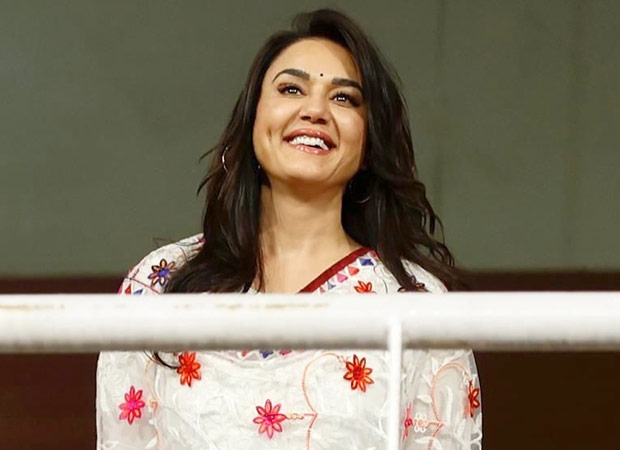
Bollywood Actress Preity Zinta Seeks Legal Relief Against AI-Generated Deepfake Content
In a significant move that underscores the growing concerns over digital misuse and the rampant spread of misinformation, Bollywood star Preity Zinta has approached the Bombay High Court to address the alarming proliferation of AI-generated deepfake videos, morphed images, and unauthorized online content featuring her. The actress’s legal petition aims to not only remove existing offensive material but also to prevent future circulation of such manipulated content, highlighting the urgent need for stricter regulations surrounding artificial intelligence and digital rights within the Bollywood industry and beyond.

Legal Proceedings Highlight Rising Concerns Over AI Misuse in Bollywood
The matter was heard before a single bench headed by Justice Madhav Jamdar on a recent Friday. During the hearing, the court examined the preliminary submissions presented by Preity Zinta’s legal team and the representatives of online platforms hosting the controversial content. Recognizing the gravity of the issue, the court directed all involved parties to collaborate on establishing a systematic mechanism for swiftly removing the offending material from social media and digital platforms. This step signifies a proactive judicial approach to combat the malicious use of artificial intelligence, which has become a pressing challenge for celebrities and public figures in Bollywood and across the entertainment industry.
The case has been adjourned for further hearing, scheduled for July 6, allowing the involved parties to submit their proposals for an effective content removal process and to address the broader implications of AI-generated content in the digital age.
Details of the Civil Suit and Specific Allegations
Preity Zinta’s legal plea elaborates on multiple instances where AI technology has been exploited to create misleading deepfake videos, morphing her images into unauthorized visuals, and even engaging with her likeness through chatbot-style interactions. These synthetic representations are not only invasive but also pose severe risks to her personal reputation and privacy. The actress has emphasized the urgent need for legal intervention, citing the potential for such content to spread misinformation, damage her professional image, and deceive her fans.
In her petition, Preity Zinta has explicitly requested that the court issue immediate directives to all digital platforms hosting such content, demanding their prompt removal. Furthermore, she seeks an injunction to prevent any future publication or circulation of AI-generated visuals or videos that depict her without consent. Her plea underscores the importance of safeguarding celebrities’ digital identities in an era where artificial intelligence can effortlessly create realistic but false portrayals.
Deepfakes and the Growing Threat in Bollywood
Deepfake technology — a sophisticated form of AI that manipulates images, audio, and video — has revolutionized digital content creation. While it offers innovative possibilities for filmmaking and entertainment, its misuse has raised serious ethical and legal questions. In Bollywood, where stars like Preity Zinta enjoy immense popularity, deepfake videos can be used maliciously to spread false narratives or tarnish reputations.
Deepfakes leverage machine learning algorithms to convincingly imitate a person’s face, voice, or expressions, often making it virtually impossible for viewers to distinguish between genuine and manipulated content. This technology can be exploited to create fake interviews, offensive visuals, or even manipulate emotional responses, posing a new frontier of challenges for celebrities, content creators, and regulatory bodies alike.
The Broader Impact of AI-Generated Content in Bollywood
The rise of AI-generated content extends beyond individual celebrities. In Bollywood, this trend threatens to erode trust and authenticity in digital media. Fans and audiences increasingly consume content online, making it easier for malicious actors to spread falsehoods or create harmful narratives. The implications are profound: reputation damage, emotional distress, and potential legal liabilities for those whose likenesses are misused.
Preity Zinta’s case is among the first high-profile instances where a Bollywood personality has formally challenged the misuse of AI technology in court. Her proactive stance sends a strong message to the industry: protecting digital identity and personal rights must become a priority as artificial intelligence continues to evolve at a rapid pace.
Legal and Ethical Challenges in Regulating AI Content
The legal landscape surrounding AI-generated content remains complex. Current laws are often inadequate to address the nuances of deepfake technology, especially when content is hosted across multiple jurisdictions or anonymized behind digital platforms. The Bombay High Court’s intervention in Zinta’s case highlights the need for clearer regulations and legal frameworks that specifically address AI misuse, consent, and digital rights.
Experts believe that collaborative efforts between lawmakers, technology companies, and civil society are essential to develop robust mechanisms for detecting and removing malicious deepfake content. Initiatives like AI-powered detection tools, digital watermarking, and stricter platform policies are being explored worldwide to combat this emerging threat.
The Role of Social Media Platforms and Industry Responsibility
Social media giants and online content hosts bear a significant responsibility in preventing the spread of unauthorized or harmful AI-generated visuals. In response to cases like Preity Zinta’s, platforms are increasingly being urged to implement stricter content moderation policies, rapid takedown procedures, and AI-driven detection systems to flag suspicious material.
Within Bollywood, the industry itself is awakening to the importance of digital rights management. Celebrities and production houses are advocating for more transparency and accountability from online platforms, emphasizing that misuse of AI technology not only impacts individual careers but also challenges the credibility of the digital ecosystem.
Looking Ahead: The Future of Bollywood and AI Regulation
As Bollywood continues to embrace digital innovation, including virtual reality, CGI, and AI-driven storytelling, the industry must also stay vigilant against the darker aspects of these technologies. Preity Zinta’s legal action serves as a wake-up call for stakeholders to prioritize ethical AI use, implement preventive measures, and establish legal safeguards to protect artists’ rights.
The upcoming hearing on July 6 will be closely watched, as it may set important legal precedents for how AI-generated content is handled in India. It also highlights the need for comprehensive policies to regulate synthetic media, ensuring that the glamour and creativity of Bollywood are not overshadowed by technological misuse.
Conclusion: A Step Toward Digital Justice in Bollywood
Preity Zinta’s bold move to challenge the unauthorized use of her likeness through AI-generated deepfakes marks a crucial step in safeguarding the rights of celebrities in Bollywood. It underscores the importance of legal intervention in the face of rapidly advancing digital technologies and the need for industry-wide awareness and responsibility.
As Bollywood continues to evolve in the digital age, so must its approach to ethical content creation, celebrity rights, and technological regulation. The ongoing legal proceedings will not only impact how AI content is managed but also serve as a precedent for other celebrities and public figures facing similar challenges worldwide.
In an era where artificial intelligence can create convincing but false content with ease, proactive legal measures and technological safeguards are essential to preserve trust, authenticity, and dignity within the vibrant world of Bollywood.
Stay tuned for updates on this developing story and the broader implications for digital rights within Bollywood and the entertainment industry at large.