Supreme Court Sends Rajpal Yadav’s Cheque-Bounce Dispute to Mediation After ₹2 Crore Deposit
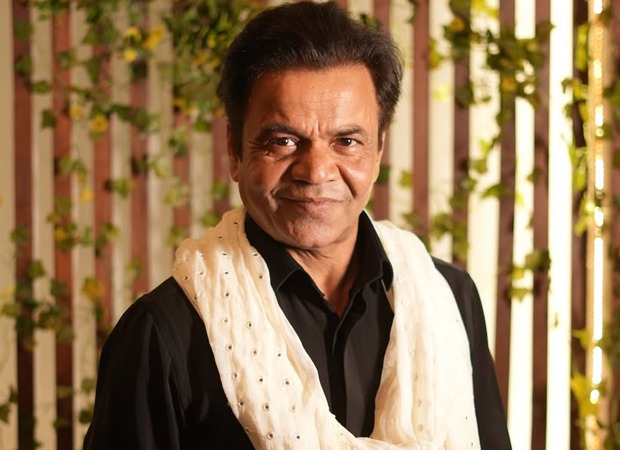
The Supreme Court has referred Bollywood actor Rajpal Yadav’s long-running cheque-bounce dispute with Murli Projects Private Limited to mediation, after the actor deposited ₹2 crore as part payment of the outstanding dues. The Court has asked both sides to make a genuine effort to settle the remaining amount before the case proceeds further.
A Bench comprising Chief Justice of India Surya Kant and Justice Joymalya Bagchi said mediation could offer a practical route to resolving the dispute. Yadav and the company’s counsel agreed to the proposal, and the matter has now been referred to the Supreme Court Mediation Centre.

Court urges both sides to seek an amicable settlement
During the hearing, the Bench took note of Yadav’s proposal to sell his ancestral property to arrange the balance payment. The judges indicated that they wanted the parties to explore a settlement before the Court considered further proceedings. They also made clear that the case could still be examined on its merits if mediation does not resolve the dispute.
“You have been brought to the verge of selling your ancestral property only to get rid of this case,” the Bench observed, while noting that the scope for further intervention was limited after Yadav had lost before different courts. The judges urged both sides to use mediation to reach an agreement.
In its order, the Court recorded that the issues raised by the parties appeared capable of being resolved through discussion. It directed them to approach the mediation process with an open mind and attempt to settle the remaining dues.
The referral is not a final settlement, and it does not end the legal dispute. The parties must still agree on the amount and terms of any resolution. If mediation does not succeed, the matter may return to the Court for further consideration.
How the ₹2 crore payment was arranged
The latest payment follows an undertaking Yadav gave to the Supreme Court at an earlier hearing on October 7. Appearing in person, the actor submitted demand drafts totalling ₹1.15 crore. His counsel told the Court that a prospective buyer of Yadav’s ancestral property would contribute a further ₹85 lakh, bringing the total deposited amount to ₹2 crore.
At the time, Yadav’s legal team said the remaining dues would be arranged through the proposed property sale. The Court had considered setting a schedule for the balance payment. After the ₹2 crore deposit was made, however, the Bench chose to first send the parties to mediation, giving them an opportunity to negotiate a broader settlement.
The Court has also permitted Yadav to seek the release of his passport for professional travel abroad, subject to conditions imposed by the trial court. The permission is relevant to the actor’s work commitments, but it does not alter the status of the financial dispute.
Dispute traces back to the film Ata Pata Laapata
The case has its roots in financial arrangements connected to Ata Pata Laapata, a 2012 film produced by Yadav. According to the case details, Yadav and his wife received ₹5 crore from Murli Projects in connection with the production. The film was not completed within the agreed timelines, and the parties subsequently entered into a series of agreements to address their differences.
Under one of those agreements, Yadav provided Murli Projects with eight security cheques. That arrangement was later replaced by a consent agreement dated April 21, 2013. Yadav has argued that the later agreement required the original security cheques to be returned and provided for four new cheques, each worth ₹10 crore.
Yadav’s case is that Murli Projects did not return the original cheques and instead presented seven of them for payment. The cheques were dishonoured, leading to criminal complaints against the actor and his wife.
Yadav’s legal argument over the cheques
In his plea before the Supreme Court, Yadav contended that the 2013 consent agreement superseded the earlier arrangement and made the original security cheques invalid. On that basis, he argued that the complaints filed under Section 138 of the Negotiable Instruments Act were not maintainable.
Section 138 provides for legal action when a cheque is dishonoured, subject to the statutory requirements being met. The dispute therefore involves not only the unpaid amount but also questions about the agreements between the parties, the status of the cheques and the circumstances in which they were presented.
The Supreme Court’s decision to refer the case to mediation does not determine those legal questions. Instead, it gives the parties a chance to resolve the financial dispute through negotiation, potentially avoiding further litigation if they can agree on the outstanding amount and a payment plan.
What happens next
The Supreme Court Mediation Centre will facilitate discussions between Yadav and Murli Projects. The process may allow the parties to consider options such as staged payments, a mutually agreed settlement figure or other terms acceptable to both sides. Any resolution will depend on their consent.
For audiences following this Bollywood legal story, the immediate development is the ₹2 crore deposit and the Court’s push for a negotiated outcome. The actor has made a substantial part payment, but the remaining dues and the underlying cheque-bounce claims are still unresolved. The next significant step will be whether mediation produces an agreement or the case returns to court for further proceedings.