Controversy Erupts in Bollywood and Classical Music Circles Over Sitarist Rishabh Rikhiram Sharma’s Claim as Ravi Shankar’s Last Disciple
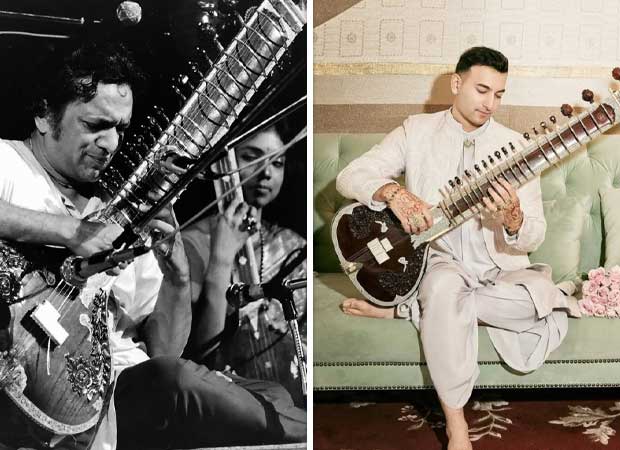
The world of Indian classical music and Bollywood has been buzzing with intense debate following sitarist Rishabh Rikhiram Sharma’s recent assertion that he was the last disciple of the legendary maestro Ravi Shankar. This claim has not only rekindled discussions about the sanctity of the guru-shishya tradition but has also prompted a formal response from the esteemed Ravi Shankar Centre, which challenged the authenticity of Rishabh’s statement. The unfolding controversy underscores the profound significance of guru-shishya bonds in Indian classical music and raises questions about how these relationships are perceived and recognized in contemporary times.
The Origin of the Controversy: Rishabh Sharma’s Bold Claim
In recent interviews and social media posts, Rishabh Sharma has claimed to be the last disciple of the revered Ravi Shankar, the maestro whose mastery of the sitar transformed Indian classical music and elevated its presence on the global stage, including Bollywood. Rishabh’s supporters highlight his early exposure to Ravi Shankar’s teachings, sharing photos, videos, and personal anecdotes that they say substantiate his close association with the maestro. Many in Bollywood and the classical music community have taken note, intrigued by the assertion that a direct lineage continues through Rishabh.

However, this claim has sparked widespread debate about what genuinely constitutes a disciple in the traditional Indian guru-shishya parampara — a relationship built on years of disciplined training, spiritual dedication, and formal initiation. In the age of social media, where stories can be amplified or distorted rapidly, such assertions often attract both admiration and skepticism.
The Ravi Shankar Centre Responds: Clarifying the Nature of Guru-Disciple Relationships
On February 27, the Ravi Shankar Centre issued an official statement aimed at clarifying the facts surrounding Rishabh Sharma’s claim. The Centre, which is considered the custodian of Ravi Shankar’s legacy and a symbol of authentic Indian classical music tradition, emphasized that while Rishabh’s musical talent is undeniable, the nature of his relationship with Ravi Shankar does not meet the criteria of a formal guru-shishya bond.
Key points from the Centre’s statement include:
- There was no formal initiation (Ganda-Bandhan), a traditional ceremony that signifies the official acceptance of a disciple in Indian classical music.
- The incident often cited as Rishabh’s formal initiation, which took place in January 2012, was merely an informal string-tying session requested by Rishabh’s father. It lacked the customary rituals, a priest, a prepared ceremonial thread, or witnesses that are hallmarks of a traditional guru-shishya initiation.
- The Centre pointed out a public statement made by Ravi Shankar at a concert, where the maestro mentioned that he had given Rishabh “a few lessons” and briefly introduced him as a student, but he did not explicitly refer to him as a “disciple.”
- After Ravi Shankar’s health declined and he left India in March 2012, there was no sustained or structured training or mentorship that continued between the maestro and Rishabh.
The statement further referenced the cultural and spiritual weight of the term “disciple” in Indian classical music, reaffirming that this title is earned through years of rigorous training, unwavering commitment, and spiritual dedication — none of which can be conferred through a casual or informal encounter.
Broader Implications: What Defines a True Guru-Shishya Bond?
The discourse surrounding Rishabh Sharma’s claim has ignited a broader conversation in both Bollywood and classical music circles about the nature of the guru-shishya relationship. Traditionally, this bond is considered sacred and is rooted in deep trust, spiritual growth, and lifelong mentorship. It’s a relationship that transcends mere instruction, often involving initiation ceremonies, personal sacrifices, and a transmission of cultural and spiritual values that define Indian classical music.
In recent years, however, the concept has been challenged by newer generations and social media narratives that sometimes blur the lines between genuine mentorship and superficial associations. Critics argue that claiming to be a disciple without undergoing formal initiation diminishes the profound cultural significance of this relationship and risks trivializing a centuries-old tradition.
On the other hand, supporters of Rishabh Sharma contend that his early exposure to Ravi Shankar’s teachings, along with personal memories and informal mentorship, are enough to establish his connection to the maestro. They assert that in the modern world, the boundaries of tradition are evolving, and new forms of mentorship are emerging, especially when considering the influence of Bollywood, which often blends classical traditions with contemporary expressions.
Impact on Bollywood and Indian Classical Music
The controversy also resonates deeply within Bollywood, where classical music elements are often woven into film scores and performances. The debate raises important questions about authenticity and legacy — especially in an industry where image, lineage, and cultural credibility can significantly influence a musician’s career and public perception.
Bollywood has historically played a pivotal role in popularizing Indian classical music, with icons like Ravi Shankar himself collaborating with legendary film composers and Bollywood stars. The narrative surrounding lineage and authentic tradition remains vital as new artists seek to carve their space in both Bollywood and the global music scene. The Ravi Shankar Centre’s clarification serves as a reminder that while passion and talent are essential, they must be complemented by a genuine understanding and respect for cultural rituals and traditions.
Expert Perspectives and Future Outlook
Music scholars, traditionalists, and Bollywood enthusiasts alike are watching how this debate unfolds. Some emphasize that the guru-shishya relationship is a sacred trust that cannot be reduced to social media soundbites or casual lessons. Others believe that evolving cultural contexts might allow for new interpretations of mentorship, especially when transmitted through modern platforms.
Ravi Shankar’s daughter, Grammy-nominated sitarist Anoushka Shankar, has echoed similar sentiments, emphasizing that the essence of discipleship in Indian classical music is a matter of dedication and inner transformation, not just a few lessons or informal interactions. Her perspective underscores the importance of maintaining the integrity of traditional practices amid changing times.
Conclusion: Respecting Tradition While Emaving Forward
The ongoing dialogue about Rishabh Sharma’s claim highlights the delicate balance between honoring India’s rich musical heritage and adapting to contemporary realities. As Bollywood continues to influence global perceptions of Indian culture, it becomes increasingly important to preserve the authenticity of classical traditions, ensuring that titles like “disciple” remain meaningful and rooted in genuine spiritual and cultural commitment.
Ultimately, whether or not Rishabh Sharma is recognized officially as Ravi Shankar’s disciple, the conversation has reignited appreciation for the depth and sanctity of the guru-shishya tradition in Indian classical music. It reminds artists, enthusiasts, and industry stakeholders alike of the importance of respecting the cultural rituals that have sustained these art forms for centuries, even as they evolve to meet the demands of a new generation.
As Bollywood and Indian classical music continue to thrive on the global stage, maintaining the integrity of their roots will be essential in ensuring that their legacy remains vibrant, authentic, and true to the profound spiritual traditions that have shaped them for generations.