Bombay High Court Reinforces Limits on Social Media Content in Defamation Disputes Involving Bollywood Celebrities
The Bombay High Court recently delivered a significant judgment emphasizing that access to social media platforms does not grant individuals the unrestricted right to publish defamatory content about others, whether they are private citizens or prominent public figures. This observation underscores the increasingly complex interplay between social media freedoms and responsible communication, especially in the context of high-profile Bollywood celebrities embroiled in legal disputes.

Context of the Case: Salman Khan vs. Ketan Kakkad Over Property Dispute
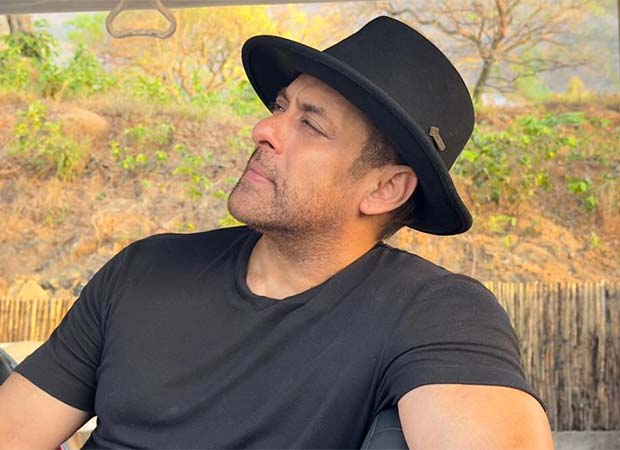
The case in question revolves around Bollywood superstar Salman Khan and his neighbor, Ketan Kakkad, concerning a contentious property matter in Panvel, Maharashtra. The dispute centers on allegations that Khan’s adjoining farmhouse violated environmental norms and obstructed access to Kakkad’s property. Following these allegations, Kakkad publicly voiced his grievances through social media, notably posting tweets and participating in YouTube interviews that discussed the ongoing conflict.
Salman Khan responded by initiating a defamation lawsuit, asserting that Kakkad’s statements and online content were false, inflammatory, and aimed at provoking communal sentiments. The legal battle highlighted the broader issue of how social media content can influence public perception and legal proceedings, especially when high-profile personalities are involved.
The Court’s Observations on Social Media and Defamation
During the hearing, a single-judge bench led by Justice Sharmila Deshmukh emphasized a crucial principle: mere access to social media does not grant individuals the right to publish content that could harm others’ reputation. The Court underscored that social media platforms are not the appropriate venues for resolving disputes or airing grievances, particularly when such content can be defamatory or incite communal tensions.
The Court further suggested that parties involved in disputes should seek legal remedies through proper judicial channels rather than resorting to public accusations on social media. It emphasized that defamatory and inflammatory content, particularly when circulated widely online, not only tarnishes reputations but also consumes valuable judicial time that could be better utilized on substantive legal issues.
Implications for Social Media Users and Content Creators
The Court’s remarks serve as a reminder that social media platforms, despite their open nature, are subject to legal regulations concerning defamation and responsible communication. Justice Deshmukh highlighted that even if content is uploaded by third parties, intermediaries such as Facebook, Google, YouTube, and Twitter have mechanisms to facilitate content removal upon appropriate legal requests.
This stance aligns with global trends where courts are increasingly recognizing the importance of holding individuals and platforms accountable for defamatory content. It also emphasizes the need for responsible digital literacy among users, particularly those involved in high-stakes disputes or public controversies.
The Broader Context: Bollywood, Public Figures, and Social Media
In recent years, Bollywood celebrities have encountered numerous legal challenges stemming from their active presence on social media. The industry’s stars, including Shah Rukh Khan, Akshay Kumar, Hrithik Roshan, and Ranbir Kapoor, have often found themselves at the center of online controversies, sometimes involving defamatory allegations or misinformation. The Bombay High Court’s observations reinforce the importance of restraint and legal prudence in using social media as a platform for dispute resolution or public discourse.
Moreover, the case underscores a broader societal debate: how should public figures and private citizens navigate their rights to free speech while avoiding defamation and communal provocation? The judiciary’s stance suggests a preference for resolving conflicts through legal channels rather than online sensationalism, which can escalate tensions and complicate legal processes.
The Legal Dimensions of the Salman Khan Case
As part of the ongoing legal proceedings, Salman Khan’s legal team argued that Kakkad’s social media posts and videos contained false and inflammatory material, designed to provoke communal sentiments against the actor. The suit also named social media platforms as parties, seeking their cooperation in removing the content.
Kakkad, on the other hand, contended that his statements were based on factual concerns regarding Khan’s property and actions. He argued that as a public figure, Khan had already placed his property details in the public domain, and thus, his statements did not constitute defamation.
The case highlights the delicate balance between free speech and responsible communication, especially when allegations involve environmental violations, property rights, and community relations. It also underscores the importance for celebrities and public figures to understand the legal boundaries of online speech.
The Future of Social Media Disputes in Bollywood and Beyond
The Bombay High Court’s emphasis on legal remedies over social media outbursts sets a precedent for future cases involving Bollywood celebrities and other public figures. It signals to individuals that while social media is a powerful tool for expression, it must be used responsibly, particularly in disputes that could have legal repercussions.
As the digital landscape evolves, courts worldwide are increasingly scrutinizing the role of social media in defamation, hate speech, and misinformation. For Bollywood, a sector deeply intertwined with fan interactions and media exposure, this development signifies a call for more responsible engagement online.
Conclusion: Navigating the New Normal of Digital Disputes
The Bombay High Court’s recent observations serve as a vital reminder that social media platforms are not legal free-for-alls. While they offer unprecedented opportunities for communication and engagement, they also come with responsibilities and legal obligations. The judiciary’s stance underscores the importance of addressing disputes through proper legal channels rather than online mudslinging, which can have far-reaching consequences.
For Bollywood celebrities and everyday users alike, this case reinforces that responsible digital behavior, coupled with awareness of legal boundaries, is essential in maintaining reputation, peace, and social harmony in an increasingly interconnected world.
Additional Insights: The Impact of Social Media in Bollywood’s Legal and Cultural Landscape
Social media has revolutionized how Bollywood stars interact with their fans and the public. However, it has also opened new avenues for controversy, litigation, and reputational damage. High-profile cases like Salman Khan’s highlight the need for celebrities to exercise caution and seek legal counsel before engaging publicly on sensitive issues.
Furthermore, this case reflects a broader cultural shift: the recognition that online content has tangible legal implications. As Bollywood continues to dominate global entertainment, its intersection with social media governance and legal accountability will remain a critical area for policymakers, legal experts, and industry stakeholders.
In Closing
The Bombay High Court’s reaffirmation that social media does not grant unfettered rights to defame or provoke underscores the importance of responsible digital citizenship. As Bollywood continues to thrive in the digital age, both stars and fans must navigate the evolving landscape with awareness, restraint, and respect for the law. Only then can social media serve as a platform for positive engagement and constructive discourse rather than conflict and controversy.