
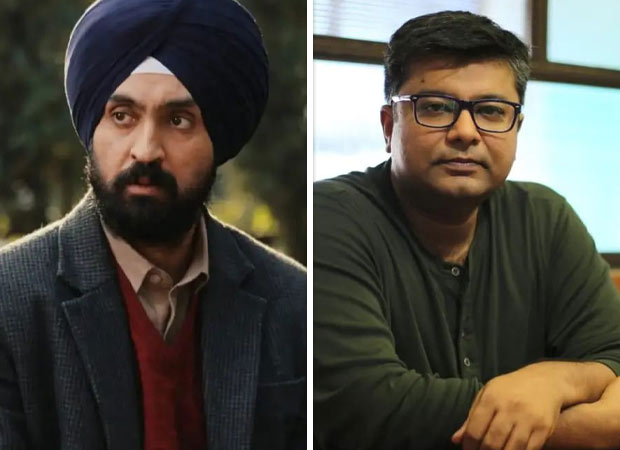
Satluj: The Controversial Bollywood Biopic That Survived a Three-Year Battle Before Sudden OTT Removal
The journey of Satluj, a compelling Bollywood biographical drama, epitomizes the tumultuous landscape of cinematic expression in India today. Originally scheduled for release over three years ago, this film faced an extraordinary barrage of censorship and controversy, reflecting larger issues surrounding creative freedom, national narratives, and the power dynamics within the Indian entertainment industry. Its recent surprise appearance on ZEE5, followed swiftly by its abrupt removal, has reignited debates on censorship, artistic expression, and the role of streaming platforms in shaping public discourse.
The Miraculous Digital Release After Years of Struggle
In a development that stunned industry insiders and cinephiles alike, Satluj unexpectedly appeared on the popular streaming platform ZEE5 late on a Friday night. For co-writer Niren Bhatt, this moment felt like the culmination of a grueling three-year fight to see his project reach audiences. “Honestly, we only found out on Friday evening when we got a message saying it was live,” Bhatt shared in an interview with Variety India. “No one had any clue beforehand. We had completely given up hope that it would ever see the light of day.”

What made this release even more remarkable was the context: the film had been embroiled in controversy from the outset, with the Central Board of Film Certification (CBFC) demanding an unprecedented 127 cuts. This level of censorship is almost unheard of in Indian cinema, where even controversial films often find a way to release after negotiations. The fact that Satluj managed to bypass traditional theatrical routes and find a digital platform was viewed by many as a small victory for artistic perseverance.
The Long Road to Release: A Fight Against Censorship
The film, initially titled Panjab 95, narrates a raw and honest biography that challenges official narratives and provides an alternative perspective on a sensitive chapter of Indian history. The three-year delay was marked by intense negotiations, legal battles, and mounting frustration among the creators. Bhatt recalls that the digital release was almost surreal: “It was almost like a miracle. For four years, we lived in cycles of hope and despair, and when it finally went live, I genuinely believed it was safe.”
This ordeal sheds light on the broader issue of censorship in Bollywood and Indian cinema at large. While the industry has historically grappled with the balance between creative freedom and government regulation, recent years have seen heightened scrutiny of films that challenge nationalistic sentiments or touch upon contentious political issues. Satluj became yet another casualty of this complex environment, with its content deemed too provocative or politically sensitive by authorities.
Debate Over Political Exploitation and Artistic Integrity
In the wake of the film’s digital debut, Bhatt was quick to dismiss claims that Satluj could be exploited by “anti-India forces” or used as a tool for foreign agendas. “That argument simply does not hold water,” he emphasized. “If movies like The Kashmir Files and The Kerala Story can exist and make their mark, why is our film being singled out? Why is it being labeled as a potential tool for external forces? This kind of paranoia only serves to stifle honest storytelling.”
He further pointed out that the suppression of the film has backfired, generating international curiosity and fueling piracy. Since the film remained accessible to viewers abroad, it inadvertently increased its global visibility. “Banning or restricting content only makes people more curious,” Bhatt explained. “People are genuinely moved by the film, with many saying it made them emotional or speechless. When official platforms block access, audiences turn to unofficial sources, which diminishes the film’s impact and reach.”
Impact on the Future of Bollywood and Courageous Storytelling
The sudden removal of Satluj from ZEE5 has sparked a wave of concern within Bollywood and the wider entertainment industry. It raises critical questions about the future of bold, truthful storytelling in India, especially on sensitive socio-political topics. Bhatt expressed his fears about the chilling effect this may have on filmmakers: “The world needs stories like this. But after what we’ve endured, who will dare to attempt such a project again?”
He also highlighted the emotional toll on those involved in making the film. “This has been a deeply frustrating experience, not just for us but for anyone fighting to tell authentic stories that matter. It’s a stark reminder of the risks involved in pushing boundaries within the current climate.”
Legal Challenges and the Uncertain Road Ahead
As of now, Satluj remains unavailable for streaming within India, with no official statement on when or if it will return to ZEE5. The filmmakers have announced their intention to challenge the decision in court, asserting that the removal was unjustified and that the film was unfairly censored. The reasons behind the sudden pull remain undisclosed, fueling speculation about the pressures and political considerations behind the decision.
This incident underscores the broader tensions between censorship authorities, streaming platforms, and creators. While OTT platforms are often seen as more liberal and accessible, they are not immune to external influences and regulatory pressures. The case of Satluj serves as a cautionary tale about the fragility of creative freedom in a rapidly evolving digital landscape.
Broader Context: Bollywood’s Role in Shaping Social Narratives
Bollywood has long been a powerful tool for shaping social narratives, fostering national pride, and reflecting societal realities. However, it also bears the burden of navigating complex political and cultural sensitivities. Films like The Kashmir Files and The Kerala Story have sparked debates about nationalism, history, and free speech, with some critics arguing that these movies serve political agendas, while others see them as vital voices challenging official narratives.
The controversy surrounding Satluj adds another layer to this ongoing discussion. It exemplifies how the industry is caught between the desire for authentic storytelling and the pressures to conform to dominant ideological frameworks. As the industry grapples with these challenges, the importance of supporting courageous filmmakers who dare to tell difficult truths cannot be overstated.
Conclusion: A Call for Fairness and Artistic Freedom in Bollywood
The saga of Satluj highlights the critical need for fair, transparent censorship policies that respect artistic integrity and freedom of expression. The film’s brief appearance on ZEE5 and subsequent removal serve as a stark reminder of the ongoing struggles faced by filmmakers pushing boundaries within Bollywood and Indian cinema at large.
As audiences worldwide demand more authentic, diverse stories, the industry must foster an environment where courageous filmmakers can thrive without fear of suppression. The future of Bollywood depends on embracing its role as a mirror to society—challenging, inspiring, and unafraid to confront uncomfortable truths.
Until then, the fate of Satluj remains uncertain, but its story continues to inspire debates about censorship, artistic freedom, and the power of cinema to shape social change in India and beyond.