Ramayana 2 Reportedly Delayed to Diwali 2028 as the Epic’s Battle Story Expands
The second instalment of Ramayana, the ambitious Bollywood adaptation led by Ranbir Kapoor and Yash, is reportedly being moved from its planned Diwali 2027 release to Diwali 2028. The shift would give the filmmakers additional time to complete filming and shape the large-scale action sequences at the heart of the sequel.
The first film remains scheduled for Diwali 2026, according to the current release plan. The two-part production is being mounted by producer Namit Malhotra, with Nitesh Tiwari directing. While the first chapter introduces audiences to the world and characters of the epic, the follow-up is expected to focus more heavily on the conflict and the events of the war.

Why Ramayana 2 May Need More Time
A source cited by Bollywood Hungama said the sequel requires additional shooting time, particularly because the story’s central battle unfolds in the second part. The report describes Ramayana as a deeply personal project for Malhotra, who is said to be prioritising the film’s scale and presentation over a rushed production schedule.
Large fantasy and mythological films often involve more than principal photography. Complex action scenes can require extensive planning, stunt coordination, visual-effects work and post-production. When a film aims to create a convincing world on an epic scale, even small changes to choreography, camera work or digital environments can affect the schedule. The reported delay may therefore reflect an effort to give the sequel’s most demanding sequences the time they need.
The War at the Centre of the Sequel
The second instalment is expected to bring the epic’s major confrontation to the screen, making its action design a defining part of the film. The source told Bollywood Hungama that Malhotra and Tiwari wanted to develop original set pieces rather than rely on familiar action-film templates. That ambition, the report suggests, has contributed to the longer timeline.
For audiences, the distinction between the two films could be significant. The first chapter has the task of establishing its characters, relationships and mythic setting; the sequel must then deliver the scale and emotional payoff associated with the war. A longer production window could allow the filmmakers to connect spectacle with character and story, rather than treating action as a series of disconnected visual moments.
A Major Production With Global Ambitions
The reported production budget for the Ramayana franchise is around Rs. 3,000 crore, an enormous figure that places the project among the most ambitious Indian film productions. The source said Malhotra wants the scale of the investment to be visible across the films, while also presenting an Indian story to viewers around the world.
That goal brings both opportunity and pressure. Indian epics have a rich storytelling tradition, but adapting a familiar cultural narrative for contemporary cinema requires care. Filmmakers must balance spectacle with respect for the source material, while making the story accessible to audiences who may not know every character or episode. The production’s reported emphasis on original action design suggests that the team is seeking a visual identity that can stand apart in the crowded global fantasy market.
At the same time, a large budget does not guarantee a successful film. The audience’s response will depend on the writing, performances, pacing and emotional clarity, as well as the visual effects. For a story as widely known as the Ramayana, viewers may arrive with strong expectations about its characters and themes. That makes the creative choices behind the adaptation especially important.
Ranbir Kapoor, Yash and Audience Expectations
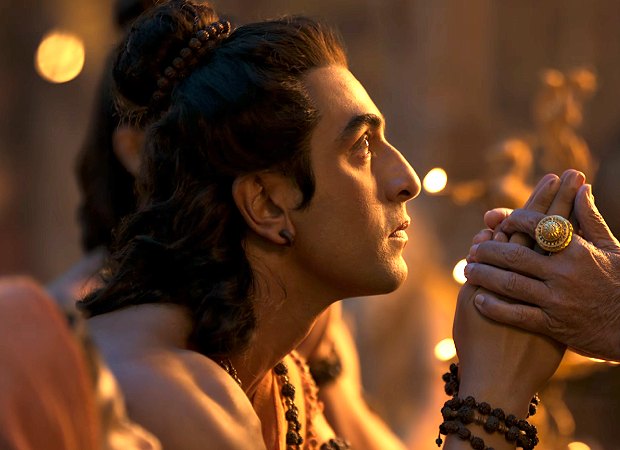
Ranbir Kapoor and Yash are among the project’s biggest draws. Kapoor’s casting has already prompted discussion about how he will portray Lord Rama, while Yash’s involvement has raised anticipation for the larger conflict in the sequel. Their performances will be central to the films’ appeal, particularly as the story moves from its introductory chapters toward the battle that defines the second instalment.
Interest in Kapoor’s portrayal has also been fuelled by comments from actor Rakul Preet Singh, who made a strong claim about the impression his performance may leave on viewers. Such remarks add to the conversation surrounding the film, although the final judgment will ultimately rest with audiences after they see the finished performance on screen.
Diwali Releases and the Road Ahead
The first Ramayana film is still positioned as a major Diwali 2026 release, a holiday period traditionally associated with high-profile Indian cinema launches. The report says early response to the project has been encouraging, with expectations building around its scale, cast and subject. However, box-office predictions remain speculative until the film’s marketing campaign, reviews and audience reactions take shape.
According to the report, the updated date for Ramayana 2 may be announced in a post-credit sequence attached to the first film. If confirmed, that would give viewers a direct update on the franchise’s next chapter while setting the stage for the sequel’s longer wait. Until the filmmakers make an official announcement, Diwali 2028 should be treated as a reported release window rather than a formally confirmed date.
For now, the reported delay signals a familiar challenge for large-scale filmmaking: balancing audience anticipation with the time required to deliver a demanding production. If the extra months help the team realise its vision for the epic’s climactic war, the move could prove worthwhile. The first film will introduce audiences to this new cinematic interpretation of the Ramayana; the sequel will then have the task of turning that foundation into an expansive, emotionally resonant finale.