Shehzad Poonawalla’s ‘Rise and Fall 2’ Journey: Power Plays, House Clashes and a Ticket to the Finale
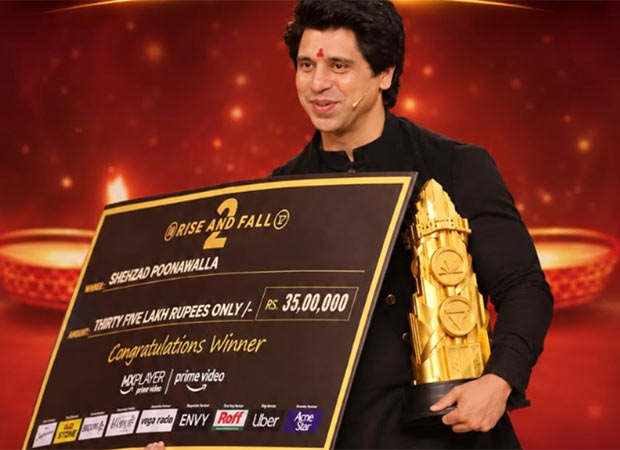
Shehzad Poonawalla’s appearance on the second season of the reality show brought an unusual mix of political experience and high-stakes house drama to the competition. Entering as a contestant without a background in entertainment, he gradually became one of the season’s most talked-about personalities. His journey combined strategic play, shifting alliances and repeated confrontations—elements that helped shape the show’s competitive atmosphere.
Season two revolved around a Rulers-versus-Workers format, in which contestants’ positions could change according to task results and the balance of power inside the house. The format placed a premium on more than physical performance: contestants also needed to negotiate, read their rivals and make decisions that could affect their standing. For Shehzad, the changing structure offered opportunities to build influence, but it also brought him into the middle of some of the season’s most heated disputes.

A newcomer who became central to the competition
Shehzad’s entry stood out because he was not known primarily as an actor or television personality. Instead, his public profile came from politics and commentary. As the season progressed, however, he became a prominent presence in the house, where the pressure of daily tasks and close-quarters living tested relationships as much as individual strategy.
His run featured several shifts in the house’s power dynamics. Contestants had to respond quickly as authority moved between players, and each task could affect who gained an advantage. Shehzad secured multiple stints as the Ultimate Ruler, a position that strengthened his influence and kept him in the centre of the game. He also won the Ticket to Finale, a significant milestone that improved his prospects as the competition moved towards its concluding stages.
That achievement reflected the importance of timing and consistency in a format where one strong performance could alter a contestant’s path. It also gave Shehzad a clear strategic advantage, while making him an even more visible target for fellow housemates looking to challenge his authority.
Confrontations and changing house dynamics
Shehzad’s journey was not defined by task wins alone. A major flashpoint involved fellow contestant Siwet Tomar, with the two becoming embroiled in a physical altercation. The incident had serious consequences: Siwet was ultimately ejected from the show. The episode became one of the season’s most consequential moments, underscoring how quickly disagreements inside a reality-show house can move beyond verbal exchanges and affect the competition itself.
Shehzad also had repeated disagreements with Swara Bhasker and other contestants. These exchanges added another layer to the season’s interpersonal drama, as differences over decisions and conduct became part of the broader contest for influence. In a reality format, arguments can shape how viewers perceive contestants, but they can also alter alliances and create new divisions within the house.
For audiences following the show, the contrast between Shehzad’s moments of authority and the disputes surrounding him made his journey especially unpredictable. His ability to win key positions kept him in contention, while the controversies ensured that his actions remained a frequent topic of discussion. That combination of gameplay and conflict is a familiar feature of reality television—and a major reason viewers continue to follow the changing relationships inside the house.
Political experience before reality television
Long before his reality-show appearance, Shehzad had built a career in politics. He was associated with the Indian National Congress from 2008 to 2017, rising to become secretary of the Maharashtra Pradesh Congress Committee. That experience gave him a background in public communication and political debate, skills that can translate naturally to a television environment where contestants must make their positions clear under pressure.
In 2017, Shehzad publicly criticised the Congress party’s presidential election process, describing it as “rigged” in favour of Rahul Gandhi. His remarks marked a prominent break with the party and became part of his public profile. He later joined the Bharatiya Janata Party (BJP), where he served as a National Spokesperson and handled responsibilities related to the party’s Delhi information technology and social media operations.
Those roles placed him in the world of political messaging, where public reaction and the framing of an argument can carry considerable weight. While a reality show is very different from party politics, both settings involve visibility, competing narratives and the challenge of responding to criticism in real time. Shehzad’s political background therefore offered useful context for viewers watching him navigate disagreements and negotiate his position in the house.
Resignation from the BJP and the road ahead
In August 2026, Shehzad announced that he was resigning from the BJP, citing financial and personal reasons. At the same time, he said he continued to support Prime Minister Narendra Modi’s vision. The announcement added a new chapter to his public life, arriving as his television appearance drew attention beyond the political sphere.
His move from party politics to reality television reflects the increasingly blurred boundaries between public affairs, entertainment and social media. Viewers may know him for political commentary, while others encounter him through the high-pressure environment of a competitive show. That crossover can bring new audiences to a personality, but it also invites closer scrutiny of how public figures behave when the cameras capture unscripted moments.
Why Shehzad’s season has drawn attention
Shehzad’s story on the show brings together several ingredients that keep reality television compelling: a contestant entering from outside the entertainment industry, a format built around shifting authority, high-profile clashes and a decisive late-stage advantage. His repeated turns as Ultimate Ruler and his Ticket to Finale win gave him a strong position, while the altercation involving Siwet Tomar and his disagreements with other housemates made his journey more contentious.
For fans of Bollywood and Indian reality television, the season also highlights how contestants with backgrounds in politics, sport or public commentary can reshape the tone of a show. Their established public identities arrive with them, but the house creates a different test—one based on teamwork, patience and the ability to manage conflict under constant observation.
As the competition continues, Shehzad’s performance is likely to be judged on more than his political past or the controversies that surrounded him. His success will ultimately depend on how effectively he uses the advantages he has earned, responds to the remaining challenges and manages relationships with fellow contestants. In a game where power can shift with every task, even a Ticket to Finale is no guarantee of an easy path to the finish.
Also Read: Rise and Fall 2: Sara Gurpal injured during Workers’ task; clashes with Shehzad Poonawalla over ‘biased’ verdict