
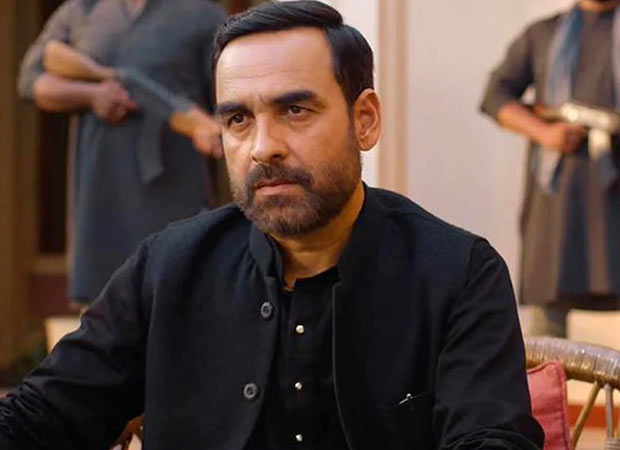
Bollywood’s Mirzapur Sparks Debate Over Rajasthani Rap Song ‘Shoorveer’
The latest addition to Bollywood’s sprawling universe of crime dramas has not only captivated audiences with its gripping storyline but also ignited a significant controversy involving music rights and artistic integrity. The film Mirzapur: The Movie, which hit theaters on September 4, has come under scrutiny after the inclusion of the popular Rajasthani rapper Rapperiya Baalam’s song ‘Shoorveer’. This incident has sparked a broader conversation about copyright, licensing protocols, and respect for regional artists in the Bollywood industry.

The Background of ‘Shoorveer’ and Its Cultural Significance
Rapperiya Baalam, known for his soulful and culturally rooted compositions, created ‘Shoorveer’ as a tribute to the legendary Maharana Pratap, a revered warrior and hero of Rajasthan. The song is celebrated for its patriotic fervor and deep connection to Rajasthani traditions, making it a favorite among regional music lovers and Bollywood enthusiasts alike.
In the realm of Bollywood, music often plays a pivotal role in shaping the narrative and emotional tone of a film. However, this intersection of regional artistry and mainstream cinema can sometimes lead to complex legal and ethical dilemmas, especially concerning licensing rights and artist recognition.
Rapperiya Baalam’s Concerns: A Question of Permission and Artistic Integrity
Shortly after the theatrical release of Mirzapur: The Movie, Rapperiya Baalam took to social media to voice his concerns. He expressed disappointment and confusion over the song’s inclusion in the film’s gangster sequences without his prior approval. In a heartfelt message, he stated:
“Today, my heart is broken. Some of you may ask why my heart is broken. You might say I should be happy because my song is in Mirzapur. But the Mirzapur team did not take my permission to use my song. Who gave them the permission? I certainly did not.”
He further elaborated on the song’s cultural significance and the context in which it was used, highlighting that ‘Shoorveer’ was specifically dedicated to Maharana Pratap and should not be associated with glorifying villains or negative characters in a film. Baalam emphasized that his artistic work was meant to honor a heroic figure, not to endorse criminality or violence, raising ethical questions about the appropriate use of regional and patriotic music in Bollywood narratives.
Licensing Clarified: The Role of Trouper Records and Excel Entertainment
Amidst mounting speculation and online debates, Trouper Records, the label behind ‘Shoorveer’, issued a formal statement to clarify the situation. The record label confirmed that the song had been **officially licensed** to Excel Entertainment, the production house behind Mirzapur, for use within the film. This clarification aimed to resolve doubts regarding the legality of the song’s inclusion.
In their statement, Trouper Records congratulated the Mirzapur team for adhering to licensing protocols, effectively settling the controversy over copyright infringement. The label’s acknowledgment reassures fans and industry insiders that proper legal channels were followed, highlighting the importance of transparency in Bollywood’s music licensing landscape.
The Broader Implications for Bollywood and Regional Artists
This incident underscores a recurring challenge within Bollywood: balancing commercial filmmaking with respect for regional and independent artists. As Bollywood continues to expand its global reach, the importance of copyright adherence, artist recognition, and cultural sensitivity becomes increasingly vital.
Many regional artists, like Rapperiya Baalam, have expressed concerns over their work being used without acknowledgment or proper licensing, which can diminish their artistic integrity and financial rights. This controversy serves as a reminder for Bollywood producers to prioritize ethical practices and foster collaborative relationships with regional talent.
Public and Industry Reactions
The incident has generated a mixed response among fans and industry insiders. While many appreciate the film’s storytelling and production quality, others emphasize the need for greater respect towards regional artists’ rights. Some critics argue that Bollywood’s reliance on regional music should be accompanied by transparent licensing and crediting processes.
Legal experts also highlight that such controversies could lead to stricter enforcement of copyright laws within the Indian entertainment industry, ensuring that artists’ rights are protected in future projects.
Looking Forward: The Future of Music Licensing in Bollywood
The Mirzapur controversy acts as a catalyst for discussions about the evolving landscape of music licensing in Bollywood and beyond. It emphasizes the need for clear legal frameworks that safeguard artists’ work, especially when their creations become integral to mainstream cinema. Industry stakeholders are urged to adopt best practices, including documented licensing agreements and artist credits, to prevent similar disputes in the future.
Moreover, this situation highlights an opportunity for Bollywood to embrace more authentic regional collaborations, elevating local talent and fostering diversity in its storytelling and musical choices.
Conclusion: A Lesson in Respect and Responsibility
The case of Rapperiya Baalam’s ‘Shoorveer’ in Mirzapur: The Movie exemplifies the delicate balance between artistic expression, legal compliance, and ethical responsibility in Bollywood. As the industry continues to grow as a global entertainment powerhouse, it must prioritize respect for regional artists, transparent licensing practices, and cultural sensitivity.
With the controversy now clarified and licensing confirmed, this incident serves as a reminder that collaboration and respect are key to sustaining Bollywood’s reputation as a responsible and inclusive industry. Fans, artists, and filmmakers alike can learn from this episode to ensure that creativity thrives within a fair and legally sound framework.
Final Thoughts
Bollywood remains a dynamic industry where tradition meets modernity, and regional talent continues to enrich its vibrant tapestry. As stories like Mirzapur captivate audiences worldwide, it’s essential that the industry uphold the highest standards of copyright ethics and artist recognition. Only then can Bollywood truly celebrate its diverse cultural heritage and foster a respectful environment for all creative voices to flourish.