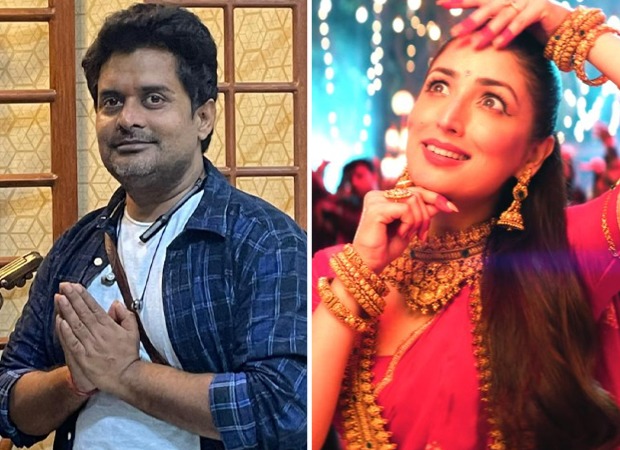
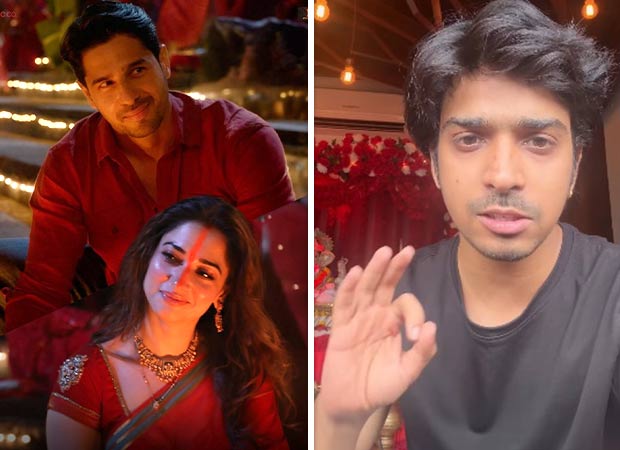
Controversy Erupts Over Bollywood Film ‘The Vvaan – Force of the Forest’ as Music Rights Allegation Surfaces
In the vibrant world of Bollywood, where creativity and collaboration are at the heart of filmmaking, disputes over intellectual property rights can quickly escalate, stirring public interest and industry debate. The latest buzz involves the highly anticipated upcoming film ‘The Vvaan – Force of the Forest’, starring popular actors Sidharth Malhotra and Tamannaah Bhatia, which has recently found itself embroiled in a controversy concerning music rights and copyright infringement.
Sargam Vaish Accuses Film Team of Unauthorized Music Use
The controversy was ignited when renowned vocalist and composer Sargam Vaish took to social media platform Instagram to voice his concerns. He alleged that his original song, ‘Aigiri Nandini’, which he claims he has been painstakingly working on for over three years, was used in the official trailer of ‘The Vvaan – Force of the Forest’ without his permission or legal authorization.

In a detailed Instagram reel, Sargam showcased the trailer, pinpointing the segment where he believes his composition appears. He played a comparison clip, highlighting the similarities and asserting that the music in the trailer directly matches his work. This public revelation has sparked widespread discussion among fans, industry insiders, and independent artists about the importance of respecting creative rights in Bollywood’s competitive environment.
Sargam’s Statement and Call for Action
Accompanying his video, Sargam shared a heartfelt caption emphasizing the gravity of his allegations. He wrote, “REMOVE MY SONG FROM THE VVAAN. I recently came across the official trailer for ‘The Vvaan – Force of the Forest’ and was shocked to find that my original composition has been used without my permission or approval. I have not authorized this use in any form, and it’s crucial for my career and contractual obligations that this matter is addressed.”
He further clarified, “This work is protected under a major music label contract, and unauthorized usage could jeopardize my professional relationships and future projects. I believe every artist deserves respect and acknowledgment for their intellectual property. I kindly request the film’s production team to remove my music immediately and provide any licensing or permission details if they exist.”
Sargam concluded his message with a plea for support from the public and fellow artists, emphasizing the importance of safeguarding creative rights in Bollywood. “Please share this message and help me reach the right people. It’s essential to stand with independent artists whose work often remains unrecognized and unprotected,” he added.
Industry Response and the Broader Context in Bollywood
As of now, the team behind ‘The Vvaan – Force of the Forest’ has not issued an official statement regarding Sargam’s allegations. This silence has only intensified speculation about the situation and the measures the filmmakers might take to address the controversy.
In Bollywood, music plays a pivotal role in storytelling, often becoming the soul of a film’s identity. Unauthorized use of a song not only undermines the rights of the original creator but also raises questions about the ethical standards within the industry. This incident has reignited discussions about the need for stricter copyright enforcement and transparent licensing processes in Bollywood’s fast-paced production environment.
The Film and Its Growing Popularity
‘The Vvaan – Force of the Forest‘ is an upcoming film directed by Aditya Sarpotdar, known for his engaging storytelling style. The movie features Sidharth Malhotra and Tamannaah Bhatia in leading roles, promising to deliver a compelling narrative set amidst the lush and mystic backdrops of forested terrains—a theme that has garnered considerable interest among Bollywood fans.
The film’s promotional campaigns have already created a buzz, with the trailer receiving praise for its visuals, action sequences, and cultural portrayal. Notably, the film also earned appreciation for showcasing traditional Indian elements, which resonate strongly with audiences seeking authentic Bollywood storytelling rooted in Indian heritage.
Bollywood’s Increasing Focus on Intellectual Property Rights
This controversy underscores a broader issue prevalent in Bollywood—the need to prioritize and respect intellectual property rights. As the industry continues to evolve with rapid digitalization, artists and creators are becoming increasingly vocal about protecting their work from unauthorized use. High-profile cases like this one serve as a wake-up call for producers, music labels, and filmmakers to adopt more stringent licensing protocols.
Moreover, Bollywood has seen a surge in independent artists making their mark through social media platforms, challenging traditional industry norms. Their fight for recognition and fair compensation highlights the importance of establishing clear legal frameworks that safeguard creative contributions, fostering a more ethical and sustainable industry environment.
Implications for Future Collaborations and Industry Standards
Incidents such as these may prompt Bollywood stakeholders to revisit existing policies around music licensing and copyright enforcement. A proactive approach involving transparent contracts, detailed licensing agreements, and digital rights management can help prevent similar disputes in the future.
Furthermore, fostering a culture of respect for creative work can elevate Bollywood’s global reputation, attracting more international collaborations and audiences who value originality and authenticity. As Bollywood continues to grow as a global entertainment powerhouse, ensuring the integrity of creative rights will be crucial in maintaining its artistic credibility.
Conclusion: Standing Up for Creativity in Bollywood
The controversy surrounding ‘The Vvaan – Force of the Forest’ serves as a potent reminder of the vital importance of respecting artistic rights within Bollywood’s vibrant ecosystem. As the industry navigates the complexities of intellectual property in the digital age, stories like Sargam Vaish’s highlight the ongoing need for vigilance, ethical practices, and legal safeguards to protect creators’ rights.
Fans, industry insiders, and artists alike must rally behind the principle that creative work deserves recognition and respect. Only through collective efforts can Bollywood continue to thrive as a hub of innovation, storytelling, and artistic excellence—truly a force to be reckoned with on the global stage.
Stay tuned for more updates on this developing story and insights into Bollywood’s evolving landscape, where tradition meets modernity, and every artist’s voice matters.