The Viral Saga of Rahul Roy: A Stark Reminder of Fame, Dignity, and Social Media’s Cruelty
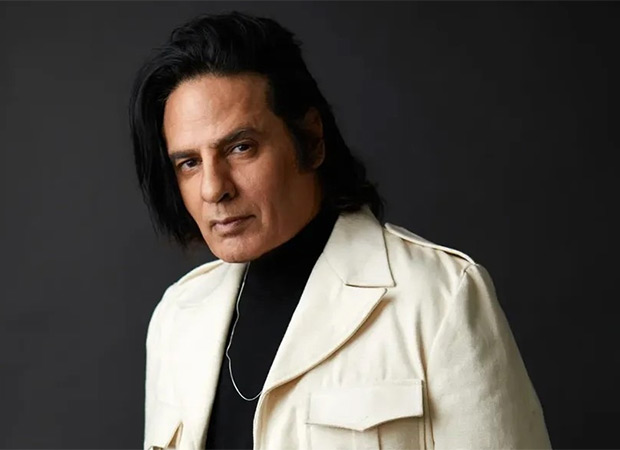
In the vast universe of the internet, viral videos often evoke laughter, surprise, or even admiration. Yet, occasionally, they serve as uncomfortable mirrors reflecting society’s darker tendencies—cruelty, insensitivity, and a relentless obsession with perfection. Recently, the case of Bollywood legend Rahul Roy exemplifies this harsh reality. His viral clips on social media, which have circulated widely, have sparked a debate far beyond entertainment, touching upon issues of respect, aging in the industry, and the human cost of fame.

The Context: Rahul Roy’s Rise and Fall from Stardom
To understand the current controversy, one must revisit Rahul Roy’s illustrious journey in Bollywood. The actor shot to fame in 1990 with the blockbuster Aashiqui, a film that redefined romantic cinema and turned him into a household name. With his boyish charm, soulful eyes, and memorable songs, Rahul Roy became the face of a generation’s love stories. For many fans, he was not just an actor; he was a symbol of innocence and romantic idealism—an eternal hero etched into the fabric of Bollywood’s golden era.
However, like many stars, Rahul Roy’s career trajectory was not immune to the unpredictable tides of fame. As the years passed, newer faces emerged, shifting audiences’ attention. Personal struggles, including a severe brain stroke in 2020, further complicated his journey. Despite these setbacks, Rahul Roy has been striving to stay relevant, seeking work in an industry that often forgets its veterans once their prime years fade into memory.
The Viral Videos and the Internet’s Response
Recently, a series of Instagram reels featuring Rahul Roy alongside content creator Dr. Vanita Ghadage Desai went viral. These videos, capturing him in casual, sometimes awkward moments, quickly became a point of contention online. Many viewers, instead of empathizing with his circumstances, chose mockery, turning his attempts at normalcy into a source of ridicule. Trolls and meme makers transformed these clips into punchlines, reducing a man who once epitomized Bollywood romance into a mere meme.
This response, while perhaps predictable in the age of social media, highlights a troubling trend—our collective capacity for cruelty masked as humor. The question arises: when did awkwardness or a stumble become grounds for public humiliation? And more critically, what does that say about our society’s empathy, especially towards aging actors who are simply trying to make ends meet?
Rahul Roy’s Noble Response: A Lesson in Dignity
Instead of retaliating with anger or hostility, Rahul Roy responded with remarkable grace. He clarified that he works with honesty and humility, emphasizing that he is managing legal obligations and financial responsibilities that have accumulated over time. His statement was not a plea for sympathy but a dignified reminder that he is a human being, doing his best amidst circumstances beyond his control.
He stressed that he has faced health crises, with his stroke being a significant hurdle in his life. Yet, despite these hardships, he continues to seek work, not for fame or vanity, but to fulfill his responsibilities and sustain himself. This response, rooted in humility, starkly contrasts with the derogatory memes and sarcastic comments that flooded social media.
The Painful Reality of Aging Stars in Bollywood
Rahul Roy’s experience lays bare a harsh reality faced by many Bollywood actors who once basked in the limelight. The industry’s glamorous veneer often conceals a more brutal truth: as careers wane, opportunities diminish, and health issues surface, these actors are left to navigate a landscape that offers little support. The question then becomes: what role can Bollywood play in honoring its legacy and supporting its veterans?
While the industry does not owe charity to anyone, it is undeniable that Bollywood’s cultural fabric is woven with stories of nostalgia, timeless music, and unforgettable performances. Shouldn’t there be a more compassionate approach to supporting former stars? Thoughtful casting, respectful cameos, and meaningful roles could not only provide financial stability but also restore dignity to those who helped shape the industry’s history.
The Larger Conversation: Respect, Humanity, and Social Media Ethics
The viral videos and subsequent reactions highlight a broader issue—the dehumanization that social media often enables. The ease with which people can mock or ridicule public figures, especially when they are vulnerable, reveals a societal discomfort with aging, illness, and failure. The internet’s propensity for turning moments of struggle into entertainment fosters a culture of insensitivity that must be challenged.
Rahul Roy’s response is a powerful reminder that behind every viral clip is a person with feelings, struggles, and dignity. His plea for work and respect is a plea for humanity—an appeal that should resonate across the digital landscape. It underscores the importance of cultivating empathy and kindness, especially towards those who have given so much to Bollywood and Indian cinema.
What Can Bollywood Do? Fostering a Culture of Respect and Inclusion
Bollywood as an industry has long been celebrated for its glitz, glamour, and storytelling prowess. However, it also bears a responsibility to foster a culture of respect for its veterans and aging actors. Initiatives could include dedicated programs for retired actors, special roles that honor their legacy, and platforms that showcase their talents beyond the limelight.
In recent years, OTT platforms and streaming services have opened new avenues for storytelling, providing opportunities for actors from past generations to re-engage with audiences. Thoughtful casting in nostalgia specials, interviews, and music tributes can serve as a bridge connecting Bollywood’s glorious past with its present, ensuring that legacy is honored with dignity rather than mockery.
The Heart of the Matter: Humanity Over Fame
At the core of Rahul Roy’s story is a timeless lesson—fame is transient, but human dignity is eternal. Celebrating Bollywood’s golden moments should not come at the expense of the individuals who created them. Instead, we must recognize that every star, regardless of their current relevance, deserves respect and compassion.
Rahul Roy’s humble plea to be given work is more than a request for employment; it is a call for society to see beyond the superficial and acknowledge the human behind the star. His situation challenges us to reflect on how we treat those who once made us smile and how we can build a more empathetic culture within Bollywood and beyond.
Conclusion: A Call for Compassion in the Digital Age
The viral videos of Rahul Roy serve as a stark reminder that social media isn’t just a tool for entertainment—it’s a reflection of societal values. As fans, viewers, and industry insiders, we have a responsibility to treat our stars with dignity, especially when they are vulnerable. Instead of perpetuating cruelty, let us choose compassion, understanding, and respect.
Bollywood’s legacy is built on stories of love, resilience, and hope. Today, Rahul Roy’s story is a poignant chapter that urges us to uphold those values not just in cinema but in our everyday lives. Because behind every viral reel is a human being fighting for health, work, and dignity. The least we can do is offer him the humanity he deserves.