Bollywood’s Bold New Film “Haq” Sparks Conversations on Women’s Rights and Social Justice
In an era where Bollywood continues to evolve as a powerful platform for social change, the upcoming film “Haq” emerges as a compelling addition to India’s cinematic landscape. Directed by the acclaimed filmmaker Suparn Verma, this thought-provoking movie draws inspiration from one of India’s most iconic legal battles—the historic case of Shah Bano. Through its gripping narrative, “Haq” aims to shed light on vital issues surrounding women’s rights, gender equality, and social justice, resonating deeply with audiences both in India and across the globe.
The Legacy of Shah Bano and Its Cinematic Reimagining
The case of Shah Bano, which captivated the nation in the 1980s, became a landmark moment in India’s legal and social history. It challenged long-standing patriarchal norms and sparked widespread debate about women’s rights to maintenance and equality before the law. The controversy surrounding her case highlighted the complexities surrounding religious laws and secular principles in India, making it a pivotal point for reform and activism.

Building upon this powerful legacy, “Haq” reimagines this historic legal battle, translating it into a contemporary cinematic narrative that underscores the ongoing struggle for gender justice. The film explores not only the legal dimensions of Shah Bano’s case but also delves into the emotional and social journeys of women fighting against ingrained societal norms. It’s a story about resilience, bravery, and the relentless pursuit of justice—values that are at the heart of Bollywood’s tradition of socially conscious filmmaking.
Production Team and Artistic Vision
Produced by a talented team including Vineet Jain, Vishal Gurnani, Juhi Parekh Mehta, Harman Baweja, and Vicky Jain, “Haq” showcases a blend of experienced craftsmanship and fresh storytelling perspectives. The collaboration aims to craft a film that is both engaging for mainstream audiences and impactful in its social messaging. With a keen focus on authenticity and emotional depth, the filmmakers intend to make a cinematic statement about the importance of women’s voices in society.
Powerful Performances and Storytelling
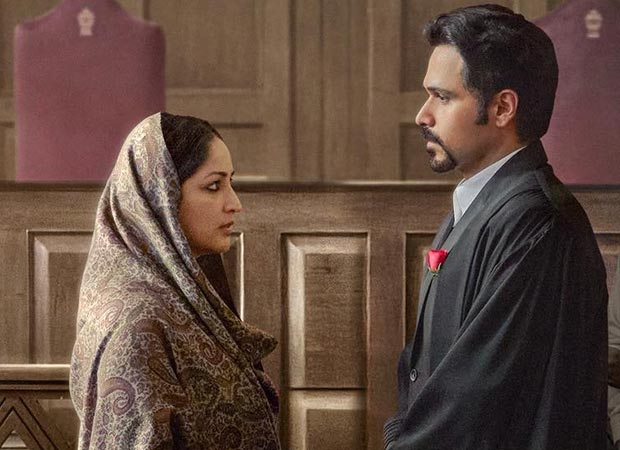
One of the standout features of “Haq” is its stellar cast. The film stars Yami Gautam, whose nuanced portrayal brings a profound depth to her character’s emotional journey, and Emraan Hashmi, who complements her with a compelling performance that adds layers of complexity. Their chemistry and authenticity elevate the narrative, making the story resonate on a personal level with viewers.
The screenplay combines compelling storytelling with a meaningful subject, ensuring that viewers are not only entertained but also prompted to reflect on crucial issues. The film’s direction by Suparn Verma emphasizes emotional realism and social relevance, making “Haq” a significant cinematic work in Bollywood’s ongoing engagement with societal themes.
Bollywood’s Role in Social Change and Cultural Discourse
Bollywood has long been recognized as a mirror to society, often using the power of storytelling to address pressing social issues. Films like “Haq” continue this tradition by highlighting stories that challenge stereotypes and advocate for change. With its focus on gender equality, legal justice, and women’s empowerment, “Haq” exemplifies how Bollywood can serve as a catalyst for dialogue and awareness.
Releasing on International Women’s Day, the film aims to harness the global platform to spark meaningful conversations about gender rights. Organizers and filmmakers hope that “Haq” will inspire audiences to reflect on their societal norms and recognize the importance of advocating for women’s dignity and equality.
Director Suparn Verma’s Perspective and Global Relevance
Expressing his vision, director Suparn Verma shared, “Haq is not just a film; it’s a reminder of the courage it takes for a woman to stand up and claim what is rightfully hers. The story inspired by Shah Bano is a powerful chapter in India’s social and legal history, and it deserves to be seen, discussed, and celebrated.”
He further emphasized the universal appeal of the film, stating, “It’s a very universal subject, and it’s made keeping in mind a global audience. The themes of justice, resilience, and the fight for equality transcend borders, making it relevant worldwide.”
Reception and Impact
While “Haq” is still set to hit screens soon, early responses from critics and audiences have been overwhelmingly positive. The film’s strong performances, compelling storyline, and timely themes position it as an important cinematic work within Bollywood’s tradition of socially conscious storytelling. It promises to engage viewers emotionally and intellectually, encouraging a deeper understanding of the ongoing fight for women’s rights in India and beyond.
Moreover, the film’s release aligns with a broader movement within Bollywood to produce movies that are not only entertaining but also impactful. As the industry continues to evolve, films like “Haq” demonstrate Bollywood’s commitment to addressing social issues and fostering cultural dialogue through the power of cinema.
Conclusion: A Cinematic Call to Action
“Haq” stands as a testament to Bollywood’s capacity to reflect societal realities and inspire change. By exploring the inspiring story of Shah Bano and translating it into a compelling film, the makers aim to ignite conversations about gender equality, legal justice, and women’s empowerment. As it prepares for release around International Women’s Day, this film is poised to make a significant impact—reminding audiences that the fight for women’s rights is ongoing, and cinema remains a powerful tool for advocacy and awareness.
In a world where stories have the power to transform perceptions, “Haq” exemplifies the best of Bollywood’s socially conscious storytelling tradition. It invites viewers to celebrate courage, challenge norms, and stand up for justice—making it a must-watch film that promises to resonate long after the credits roll.