Supreme Court Temporarily Blocks Release of Bollywood Animated Film ‘Mahaprabhu Jagannath’ During Lord Jagannath Rath Yatra
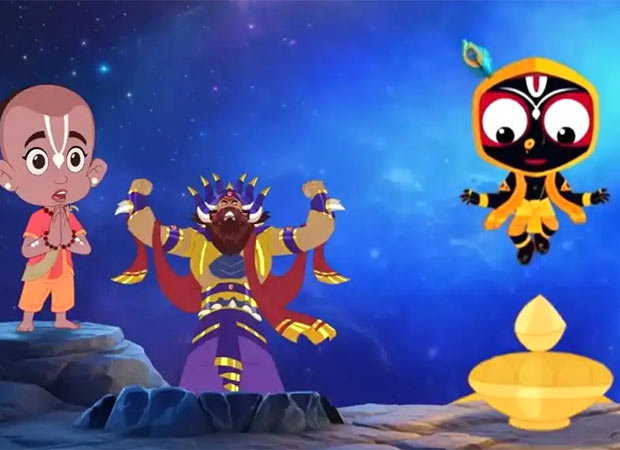
The highly anticipated animated film ‘Mahaprabhu Jagannath’, a project rooted in the rich cultural and religious traditions of India, faced a significant setback as the Supreme Court of India refused to allow its release during the ongoing Lord Jagannath Rath Yatra. The court’s decision, however, opened the door for the film’s release to be scheduled after the conclusion of the festival, specifically on or after July 28. This decision has sparked widespread discussion across the film industry, religious communities, and cultural circles, especially within the context of Bollywood’s increasing engagement with religious themes and animated storytelling.
The Legal Battle Behind the Scenes
The controversy surrounding ‘Mahaprabhu Jagannath’ began when the Orissa High Court issued an interim order halting its release just a day before it was scheduled to hit theatres nationwide. The court’s decision was based on the observation that the film did not strictly adhere to the religious text of the Skanda Purana, a crucial scripture associated with Lord Jagannath and the Puri temple traditions. The initial stay was seen as a precautionary measure to prevent potential religious misunderstandings or misrepresentations.

In response, the filmmakers, led by a team of dedicated artists and producers, challenged the High Court’s order in the Supreme Court, seeking urgent relief. Senior Advocate Devadatt Kamat, representing the filmmakers, argued that the animated film was primarily targeted at children, aiming to educate and inspire young audiences about the legacy and cultural significance of Lord Jagannath. He emphasized that the film had already received clearance from the Central Board of Film Certification (CBFC), which granted it a U certificate under Section 5 of the Cinematograph Act. This certification was issued in multiple languages, including Hindi, Odia, and Telugu, ensuring broad accessibility across India.
Legal Nuances and the Short Notice Challenge
Kamat highlighted the urgency of the situation, pointing out that the High Court’s order was uploaded only late in the evening—specifically at 9 pm—on the eve of the scheduled release date. This left the filmmakers with very little time to seek legal remedies or make necessary adjustments. The short notice and the hurried nature of the order raised questions about procedural fairness and the filmmakers’ ability to defend their project adequately.
Furthermore, the legal team detailed the substantial financial investment involved in the project, with reports estimating that crores of rupees had been invested in the production and marketing of the film. The producers had planned extensive screenings across more than 300 theatres nationwide, aiming to reach a diverse audience and promote cultural awareness through animated storytelling. The sudden stay not only jeopardized their commercial interests but also deprived audiences of a culturally significant film during an important religious festival.
Implications for Bollywood and Religious Cinema
While the immediate focus was on the legal and logistical aspects, the case also highlighted broader themes relevant to Bollywood and the Indian film industry at large. There is a growing trend within Bollywood to explore religious and mythological subjects, often through innovative formats like animation, to engage younger audiences and promote cultural values. Films like ‘Mahaprabhu Jagannath’ exemplify this trend, blending religious reverence with modern storytelling techniques.
The controversy underscores the delicate balance filmmakers must maintain when depicting religious figures and stories—respecting traditions while also embracing artistic freedom. The Supreme Court’s decision to delay the release reflects ongoing tensions between creative expression, religious sensitivities, and legal safeguards.
The Court’s Verdict and Future Outlook
In its final ruling, the Supreme Court refused to allow the immediate release of ‘Mahaprabhu Jagannath’ during the Rath Yatra, citing the need for further examination and consideration of the religious sentiments involved. However, the court did acknowledge the filmmakers’ concerns and issued notices to key stakeholders, including the Centre, the Odisha government, the Central Board of Film Certification (CBFC), and the Shree Jagannath Temple Administration. This move signals a cautious approach, balancing religious sensitivities with the interests of cinematic expression.
Importantly, the court’s direction allows the film to be released on or after July 28, once the Rath Yatra festival concludes, giving the filmmakers a window to make necessary modifications or address any concerns raised during the review process. This decision is seen as a pragmatic step to ensure that cultural and religious sentiments are respected while also supporting the growth of religious-themed content within Bollywood.
Broader Cultural and Industry Impact
The case of ‘Mahaprabhu Jagannath’ is more than just a legal dispute; it reflects evolving dynamics within the Indian entertainment industry, particularly Bollywood’s engagement with religious narratives. Animated films are increasingly gaining prominence as a medium to depict mythological stories, appealing to a new generation of viewers who are more receptive to digital and animated content.
This situation also raises important questions about the role of regulatory bodies like the CBFC in certifying religious films, and how their decisions influence the commercial viability of such projects. The fact that the CBFC had already granted a U certificate indicates that, from a certification standpoint, the film met national standards for family viewing. However, religious sensitivities often go beyond formal certification, requiring careful handling by filmmakers and authorities alike.
Furthermore, the postponement of the film’s release during a major religious festival like the Rath Yatra underscores the cultural significance of aligning cinematic releases with traditional events. Festivals like Rath Yatra are not just religious observances but also moments of communal pride and cultural expression, making them sensitive periods for any religious-themed media debut.
Looking Ahead: What’s Next for ‘Mahaprabhu Jagannath’?
With the Supreme Court’s direction allowing for the release after July 28, the filmmakers have a window to make any necessary adjustments to address the concerns raised. This could include modifications to certain scenes, dialogues, or visual representations to align more closely with religious texts and community expectations.
Industry experts believe that this case could set a precedent for future religious and mythological films in Bollywood, emphasizing the importance of respecting religious sentiments while fostering artistic freedom. It also highlights the need for a more streamlined legal and regulatory framework to handle such sensitive content, ensuring timely decisions that do not compromise creative expression or cultural values.
Conclusion: A Cultural and Cinematic Milestone
The legal tussle over ‘Mahaprabhu Jagannath’ exemplifies the complex interplay between faith, art, and law in contemporary India. As Bollywood continues to evolve, integrating traditional themes with innovative storytelling formats like animation, the industry must navigate these challenges carefully. The Supreme Court’s interim decision, while delaying the release during the Rath Yatra, ultimately paves the way for a balanced approach that respects religious sentiments without stifling creative expression.
Fans, filmmakers, and cultural communities alike await the eventual release of ‘Mahaprabhu Jagannath’, hoping it will serve as a bridge between tradition and modern storytelling—highlighting the vibrant tapestry of Indian culture through the lens of Bollywood’s dynamic creative spirit.