Supreme Court Grants Bail to Bollywood Filmmaker Vikram Bhatt in Major Cheating Case
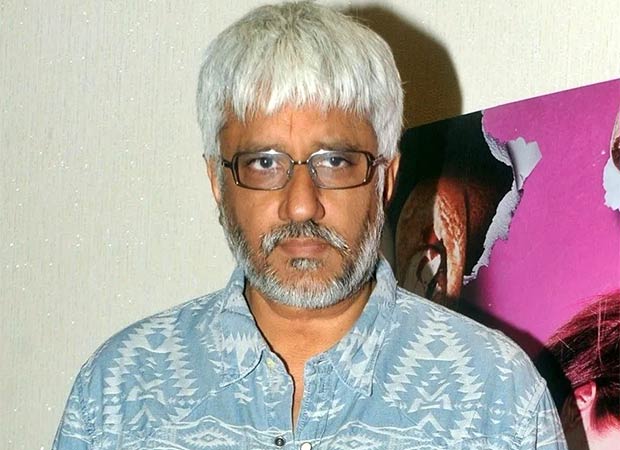
The Indian film industry, widely recognized as Bollywood, was abuzz with the latest legal developments when the Supreme Court of India on Thursday granted regular bail to renowned filmmaker Vikram Bhatt and his wife, Shwetambari Bhatt, in a high-stakes cheating case involving a multi-crore financial dispute. This case, rooted in complex contractual disagreements over a proposed biopic on the late wife of prominent businessman Ajay Murdia, has not only captured headlines but also highlighted the intricate intersection of Bollywood, business interests, and legal proceedings.

Background of the Case: A Disputed Biopic and Allegations of Financial Malfeasance
The controversy originated when Murdia, the owner of Indira IVF, filed a complaint alleging that the Bhatts, prominent figures in Bollywood, had engaged in fraudulent activities related to a lucrative film project. Specifically, the dispute centers around a proposed biopic based on the life of Murdia’s late wife, which the Bhatts purportedly persuaded him to invest over Rs 30 crores in. The promise was that this investment would generate significant returns; however, these promised benefits failed to materialize, leading to accusations of cheating and financial misconduct.
The accused, Vikram Bhatt and his wife, were arrested by the Rajasthan Police in December last year and subsequently remanded to Jodhpur Central Jail. Their arrest sparked widespread debate within Bollywood and the wider entertainment community, highlighting ongoing concerns about financial transparency and legal accountability in film financing and production.
Legal Proceedings: From Interim Bail to Regular Bail
Initially, the Supreme Court had granted interim bail to Shwetambari Bhatt, recognizing the importance of balancing legal proceedings with individual rights. However, the case took a significant turn on Thursday when a bench comprising Chief Justice Surya Kant, Justice Joymalya Bagchi, and Justice Vipul Pancholi examined the case in detail. Their verdict set aside the Rajasthan High Court’s earlier order that had denied the Bhatts bail, ultimately granting them regular bail.
The court’s decision underscored that the core of the dispute appeared to be primarily a commercial transaction rather than outright criminal activity. The bench emphasized that, although the FIR mentioned elements of cheating, the dispute was fundamentally rooted in contractual disagreements over financial dealings related to the biopic project. The judges suggested that the parties involved should seek amicable resolution through mediation, a move aimed at de-escalating the legal conflict and fostering an environment conducive to settlement.
Directions for Mediation and Settlement
In a forward-looking order, the Supreme Court directed the Bhatts and Murdia to appear before the Supreme Court Mediation Centre to explore the possibility of an amicable settlement. The court expressed hope that through mediation, the parties could resolve their financial differences without prolonged litigation, thereby preserving relationships and potentially salvaging the film project.
The bench remarked, “It seems to us that the dispute essentially pertains to a commercial transaction, though the ingredients of cheating have been mentioned in the FIR. Be that as it may, it is appropriate for the parties to resolve the disputes through mediation.” The court’s emphasis on alternative dispute resolution reflects a growing trend in Indian judiciary to promote settlement outside traditional courtroom proceedings, especially in complex commercial cases involving Bollywood personalities.
Legal Challenges and Additional FIRs
Senior Advocate Siddharth Dave, representing the Bhatts, argued that Vikram Bhatt was actively seeking funds to complete his ongoing film projects, highlighting the importance of his continued involvement in Bollywood’s vibrant film industry. He pointed out that, under the contract, four films were slated to be produced—two of which were already completed, with a third approximately 70% finished. The absence of Vikram Bhatt’s release could jeopardize these projects, which are significant not only for his career but also for the broader Bollywood film ecosystem.
Meanwhile, Senior Advocate Vikas Singh, representing Murdia, did not oppose bail but highlighted that another FIR had been lodged against Vikram Bhatt in Mumbai. Singh claimed that Bhatt’s company was facing financial difficulties, with allegations suggesting that Bhatt was using funds raised from investors to keep his company afloat, which was reportedly heading toward liquidation. This added layers of complexity to the case, raising questions about financial management within Bollywood’s film production companies.
Implications for Bollywood and the Indian Film Industry
This legal saga underscores several critical issues facing Bollywood today. The industry, renowned globally for its vibrant films and star power, is increasingly scrutinized for its financial transparency and contractual integrity. Cases like these serve as cautionary tales for producers, investors, and filmmakers alike, emphasizing the need for clear agreements and ethical practices in film financing.
Moreover, the involvement of the judiciary in mediating business disputes within Bollywood reflects a broader trend of integrating legal mechanisms to protect stakeholders and ensure accountability. As Bollywood continues to expand its international footprint, maintaining transparency and trust becomes paramount for sustained growth and reputation management.
Celebrity Insights and Industry Reactions
Bollywood personalities and industry insiders have expressed mixed reactions to the case. Veteran actor Rahul Dev, in an exclusive interview, reminisced about Vikram Bhatt’s contributions to Indian cinema, including his recent work on horror films like 1920: Horrors Of The Heart. Dev humorously suggested that Bhatt should make more comedies, acknowledging his versatility as a filmmaker.
Such comments highlight the respect Vikram Bhatt commands within Bollywood, despite ongoing legal challenges. The case also sparks a broader conversation about the balance between creative pursuits and legal accountability, a theme that resonates across Bollywood’s diverse filmmaking community.
Looking Ahead: The Road to Resolution
The upcoming mediation process will be closely watched by industry stakeholders and legal experts alike. If successful, it could pave the way for a swift resolution, allowing Vikram Bhatt and his team to focus on their creative endeavors without the cloud of legal uncertainty. Conversely, if negotiations falter, the case may escalate to further legal proceedings, potentially impacting Bollywood’s reputation for producing high-quality, commercially successful films.
Ultimately, the case exemplifies the importance of transparency, ethical business practices, and robust legal frameworks in Bollywood. As the industry continues to thrive on innovation and storytelling, ensuring that financial and contractual disputes are resolved fairly will be vital for its sustainable growth.
Conclusion: A Landmark Case in Bollywood’s Legal Landscape
The Supreme Court’s decision to grant regular bail to Vikram Bhatt marks a significant moment in Bollywood’s legal landscape. It underscores the judiciary’s role in balancing legal accountability with the practical needs of filmmakers and investors. The case also highlights the ongoing challenges of maintaining integrity in film financing and production, especially in high-profile projects involving prominent industry figures.
As Bollywood navigates these complex legal waters, the emphasis on mediation and dispute resolution may set a precedent for future cases. For now, the industry watches attentively as Vikram Bhatt works through his legal challenges, aiming to resume his creative pursuits while adhering to the principles of transparency and fairness that underpin the vibrant world of Indian cinema.
Stay tuned for further updates on this developing story, which continues to shape the intersection of Bollywood, law, and business in India’s dynamic entertainment industry.