Bollywood Legal Clash: Vashu Bhagnani Secures Interim Protection in Intellectual Property Dispute
In a significant development within the Bollywood entertainment industry, veteran producer Vashu Bhagnani has welcomed the interim protection granted to Puja Entertainment amidst an ongoing legal battle concerning the unauthorized use of Bollywood intellectual property rights. This high-stakes dispute underscores the growing complexities surrounding rights management in Bollywood, especially as digital platforms and remixed tracks continue to reshape the industry landscape.
Understanding the Nature of the Dispute
The legal confrontation primarily revolves around the alleged unauthorized exploitation of rights associated with some of Bollywood’s most iconic films. Titles such as Coolie No. 1, Hero No. 1, Biwi No. 1, Bade Miyan Chote Miyan, Tera Jadoo Chal Gayaa, and Mujhe Kucch Kehna Hai are central to this case. These films, celebrated for their memorable music and storytelling, are now at the heart of a wider debate about rights ownership and digital use in Bollywood.

The dispute also involves the upcoming project Hai Jawani Toh Ishq Hona Hai starring Bollywood star Varun Dhawan. The case raises critical questions about who holds the rights to use, reproduce, and monetize classic Bollywood music and film content, particularly when it comes to streaming, remixes, and digital distribution.
Legal Developments and Court Orders
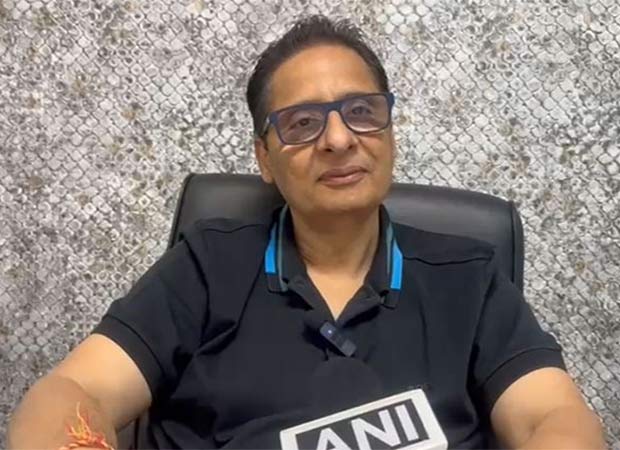
According to reports from ANI, Vashu Bhagnani, through his legal counsel, expressed satisfaction over the court’s recent decision to grant interim protection—a “status quo” order that halts any further exploitation of the disputed rights until the case is resolved. Bhagnani emphasized that this order applies comprehensively to all films, songs, and music rights involved in the legal proceedings, effectively safeguarding his producer interests during this critical phase.
Bhagnani’s legal team clarified that the court’s directive is clear: all parties involved in the case must adhere to the status quo, refraining from any action that could violate the rights under dispute. The legal representatives pointed out that even actors, directors—including renowned filmmaker David Dhawan—producers, and technicians associated with these projects may need to appear before the court to provide clarifications or submit responses. Failure to comply could result in contempt proceedings, highlighting the seriousness of the matter.
Industry-Wide Implications and the Significance of the Ruling
Bhagnani’s supporters see this legal victory as a crucial precedent for Bollywood producers nationwide. The interim relief is viewed as a protective shield that empowers rights holders to defend their creative assets against unauthorized use, especially in an era where digital streaming platforms and social media have blurred traditional rights boundaries.
In a statement, Bhagnani’s legal team underscored that this ruling marks a significant step forward for the Indian film industry, asserting that producers must unite to safeguard their intellectual property rights. The case sheds light on the broader challenges faced by Bollywood filmmakers and producers in navigating the evolving digital landscape, where content is increasingly being recreated, remixed, and monetized without proper authorization.
Concerns Over Unauthorized Re-creations and Financial Loss
One of the more pressing issues highlighted by Bhagnani involves the unauthorized recreation and remixing of Bollywood songs—an increasingly common trend that has sparked controversy across the entertainment industry. Bhagnani’s team expressed concern that such unauthorized recreations, often circulated on digital platforms, violate original rights and lead to substantial financial losses for rights holders.
In particular, Bhagnani emphasized that neither he nor his company was approached or informed about the recreation of certain songs from his films. This lack of communication not only infringes upon his rights but also undermines the legal protections afforded to original creators and producers. The legal dispute underscores the need for clearer regulations and enforcement mechanisms governing the use of Bollywood music and film content in digital spaces.
The Larger Context: Evolving Digital Rights in Bollywood
This case also highlights a vital issue concerning the shifting landscape of intellectual property rights in Bollywood. Historically, producers granted only music rights—covering the use of songs in films and promotional materials. However, with the rise of digital platforms, social media, and OTT (Over-the-Top) streaming services, rights ownership has become more complex.
Bhagnani pointed out that in earlier years, rights for video streaming, social media, and digital distribution were not explicitly granted when rights were sold. Today, however, these rights generate enormous revenues for music companies and content owners, often without clear agreements or proper licensing. This discrepancy has led to disputes over who holds the authority to monetize content across various digital channels, making legal clarity more urgent than ever for Bollywood producers and rights holders.
Looking Ahead: The Future of Bollywood Rights Management
The ongoing legal proceedings are likely to set a precedent for how Bollywood manages its intellectual property rights in the digital age. Industry insiders believe that this case could prompt a reevaluation of licensing practices, encouraging more transparent and comprehensive rights agreements that encompass streaming, social media, remixes, and other modern content uses.
Moreover, the ruling could serve as a wake-up call for Bollywood’s rights ecosystem, urging producers, music companies, and digital platforms to collaborate on establishing clearer guidelines and enforcement mechanisms. Such measures are vital to protect creative investments, ensure fair compensation, and maintain the integrity of Bollywood’s artistic legacy.
Conclusion: A Landmark Moment for Bollywood’s Intellectual Property Rights
The legal tussle between Vashu Bhagnani and the parties involved underscores the importance of safeguarding Bollywood’s rich cultural assets amid rapid technological advancements. As digital consumption continues to rise, so does the necessity for strong legal protections to prevent unauthorized use and ensure fair monetization of films and music.
With the interim protection now in place, the industry awaits further developments in this high-profile case, which is poised to influence future rights management strategies across Bollywood. Ultimately, such legal clarity benefits not only producers like Bhagnani but also the entire ecosystem—artists, technicians, and audiences—who cherish the magic of Bollywood’s musical and cinematic heritage.
Related Reads
As Bollywood continues to evolve in the digital era, cases like Bhagnani’s serve as crucial reminders of the importance of robust legal frameworks to protect creative works and uphold the industry’s integrity. Fans, creators, and rights holders alike will be watching closely as this landmark case unfolds, shaping the future of Bollywood’s intellectual property landscape.