Celebrating the Life and Legacy of Vijaya Mehta: A Pillar of Indian Theatre and Cultural Icon
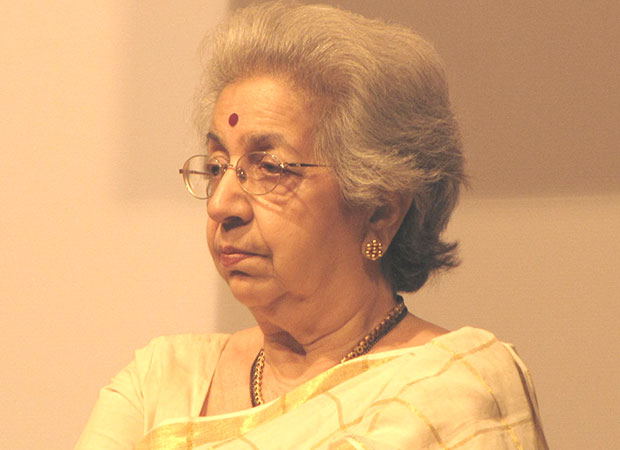
Indian theatre has bid a heartfelt farewell to one of its most influential and revered figures, Vijaya Mehta, whose innovative vision and dedication transformed the landscape of Indian performing arts. Passing away in Mumbai on June 30 at the age of 91, Vijaya Mehta’s remarkable journey from a young college student to a pioneering theatre director, actor, and cultural visionary leaves behind an indelible legacy that continues to inspire artists across Bollywood and the broader Indian entertainment industry.

Early Life and Introduction to Theatre
Born Vijaya Jaywant, in Mumbai, her journey into the world of theatre was serendipitous yet destined for greatness. While still a student at Wilson College, she showcased her innate talent during a 1953 college production of William Shakespeare’s Othello. Her compelling portrayal of Desdemona caught the attention of none other than Ebrahim Alkazi, a legendary figure in Indian theatre, who was present in the audience. Recognizing her extraordinary potential, Alkazi extended an invitation for her to join his esteemed Theatre Group, which was at the forefront of Mumbai’s vibrant theatrical scene during that era.
This pivotal moment marked the beginning of Vijaya Mehta’s transformative journey in theatre. Under the mentorship of Alkazi and the influential Parsi theatre stalwart Adi Pherozeshah Marzban, she honed her craft, immersing herself in the rich traditions of Indian and Western theatre. Her early experiences laid the foundation for a career that would challenge conventions, introduce innovation, and elevate Marathi theatre to new heights.
Personal Life and Artistic Collaborations
Vijaya’s personal life intertwined with her artistic pursuits when she married Farrokh Mehta, a prominent figure in Mumbai’s English theatre movement. Her marriage not only strengthened her ties to the English-speaking cultural milieu but also broadened her artistic horizons. From then on, she was widely recognized as Vijaya Mehta, a name synonymous with artistic discipline, visionary leadership, and creative excellence.
Leadership and Institutional Contributions
Beyond her performances on stage, Vijaya Mehta was a formidable leader and administrator, shaping India’s cultural institutions. She served as Chairperson of the National School of Drama (NSD) in New Delhi, where she fostered new talent and innovative theatre practices. Additionally, she headed the Film and Television Institute of India (FTII) in Pune, guiding young filmmakers and actors toward excellence. Her nearly fifteen-year tenure as Executive Director of the National Centre for the Performing Arts (NCPA) further cemented her reputation as a visionary committed to nurturing performing arts across India.
Revolutionizing Marathi Theatre
Vijaya Mehta’s professional journey in Marathi theatre began in 1955 with her lead role in Junjarrao. However, her most significant impact materialized during the 1960s when she co-founded Rangayan, a groundbreaking experimental theatre collective. Alongside eminent playwright Vijay Tendulkar and actor-director Arvind Deshpande, Rangayan became a crucible for innovation, challenging traditional storytelling and experimenting with new theatrical forms.
This collective was instrumental in introducing Marathi audiences to bold, socially relevant plays such as Mi Jinkalo Mi Haralo and Holi. They also staged international works like Eugène Ionesco’s The Chairs, adapted as Khurchya in 1962, opening Indian audiences to avant-garde theatre from Europe. Although Rangayan disbanded in 1972, its influence persisted, inspiring generations of Marathi playwrights and theatre practitioners to pursue experimental and socially conscious theatre arts.
International Recognition and Collaborations
Vijaya Mehta’s innovative approach garnered international acclaim, particularly in Germany, where her productions such as Mudra Rakshasa, Shakuntala, and Nagamandala introduced Indian theatre to European audiences. Her collaborations with renowned German director Fritz Bennewitz culminated in a Marathi adaptation of Bertolt Brecht’s The Caucasian Chalk Circle, Ajab Nyaya Vartulacha, which earned praise at the Brecht Festival in Berlin in 1973. This transnational exchange not only elevated her stature but also fostered cross-cultural dialogues within theatre circles worldwide.
Iconic Productions and Thematic Depth
Among her most acclaimed productions was her masterful staging of Mahesh Elkunchwar’s Wada Chirebandi in 1985, which is often regarded as the definitive Marathi adaptation of the play. She portrayed the resilient matriarch, Aai, embodying the strength and endurance of Indian women amidst changing social landscapes.
Her work often explored themes of social justice, human resilience, and cultural identity, resonating deeply with audiences. Her productions reflected her commitment to using theatre as a tool for social reflection and change—a trait that made her stand out among her peers and cemented her position as a true pioneer of Indian theatre.
Contributions to Cinema and Television
Although primarily celebrated for her theatre work, Vijaya Mehta extended her artistic influence into cinema and television. She directed the critically acclaimed Smriti Chitre and helmed the award-winning film Pestonjee, which is renowned for its sensitive portrayal of friendship and human relationships. Her cinematic ventures exemplified her versatile talent and her ability to tell compelling stories across different mediums.
Legacy in Bollywood and Indian Performing Arts
Vijaya Mehta’s pioneering work in theatre and film has left a lasting imprint on India’s cultural landscape. Her innovative spirit and leadership have profoundly influenced the growth of Marathi theatre, which is often regarded as the backbone of Indian performing arts. Her contributions resonate beyond regional boundaries, inspiring Bollywood artists and theatre practitioners alike to pursue excellence and experimentation.
In the broader context of Bollywood—a hub of Indian entertainment—her influence is evident in the emphasis on socially relevant storytelling and theatrical techniques that many contemporary filmmakers and actors draw upon. Her legacy underscores the importance of integrating traditional Indian narratives with modern theatrical and cinematic expressions, fostering a vibrant, diverse cultural ecosystem.
A Lasting Heritage
As we reflect on Vijaya Mehta’s extraordinary life, it’s clear that her work transcended mere performance. She was a trailblazer who challenged societal norms, nurtured new talent, and expanded the horizons of Indian theatre and cinema. Her pioneering efforts continue to inspire countless artists, actors, and directors striving to elevate Indian performing arts on the global stage.
Her death marks the end of an era, but her contributions will forever be woven into the fabric of Indian cultural history. Vijaya Mehta’s legacy is a testament to the power of art as a catalyst for societal change and cultural dialogue—an inspiration that will continue to resonate in Bollywood and the wider world of Indian entertainment for generations to come.
In Memoriam: Honoring a True Legend of Indian Theatre and Bollywood
The passing of Vijaya Mehta leaves a void in the world of Indian arts, but her life’s work serves as a beacon for aspiring artists and cultural enthusiasts alike. Her journey underscores the transformative power of theatre and film, and her influence will undoubtedly continue to shape the future of Indian performing arts. As we celebrate her remarkable legacy, we are reminded that true artistry knows no boundaries—be it stage or screen—and that Vijaya Mehta’s contributions will forever be treasured in the annals of Bollywood and Indian cultural history.