Vande Bharat Express: A Game-Changer for Indian Railways and Bollywood Filmmaking
The Vande Bharat Express, often hailed as a symbol of modern India’s technological progress, has revolutionized the Indian Railways landscape since its debut in February 2019. Known for its semi-high-speed capabilities, luxurious amenities, and cutting-edge design, the train has not only enhanced passenger experience but also captured the imagination of filmmakers and advertisers alike. Over the past few years, it has become a popular backdrop for Bollywood productions, contributing significantly to the revenue generated from film and commercial shoots on railway property.
The Rise of Filming on Indian Railways
While Indian Railways has a storied history in Indian cinema, the advent of the Vande Bharat Express has opened new avenues for filmmakers. Until recently, shooting on railway premises often involved lengthy approval processes and logistical challenges. However, Western Railway, one of the prominent zones in India, has pioneered a streamlined approach to facilitate film and commercial shoots, transforming railway locations into sought-after filming destinations.

Record-Breaking Earnings from Film and Advertisement Shoots
According to Vineet Abhishek, Chief Public Relations Officer of Western Railway, the zone has achieved remarkable financial milestones through its collaboration with the entertainment industry. Between April 1, 2025, and February 15, 2026, Western Railway generated an impressive Rs 1.72 crore from film and advertisement shoots — surpassing its previous record of approximately Rs 1.64 crore set during 2022–23. This burgeoning revenue underscores the increasing popularity of railway locations as authentic backdrops for Bollywood movies, TV commercials, and promotional content.
Streamlined Permissions and Single Window Clearance System
One of the key factors behind this growth is Western Railway’s innovative single window clearance system. Unlike the stereotypical bureaucratic hurdles often associated with government offices, Western Railway provides a hassle-free process for filmmakers. Abhishek explained, “We have a single window clearance system for approving film shoot permissions. Additionally, filmmakers can apply through India Cine Hub (ICH), a platform managed by the National Film Development Corporation (NFDC).” This integrated approach simplifies the process, encouraging more productions to choose railway locations for their projects.
Versatile Filming Locations Across Railway Properties
Western Railway’s expansive network offers a diverse array of filming locations, from bustling stations to administrative offices, workshops, and yards. Filmmakers have the flexibility to shoot not just on trains and platforms but also within railway yards, carsheds, and administrative zones, allowing for a variety of cinematic scenarios. Recent examples include:
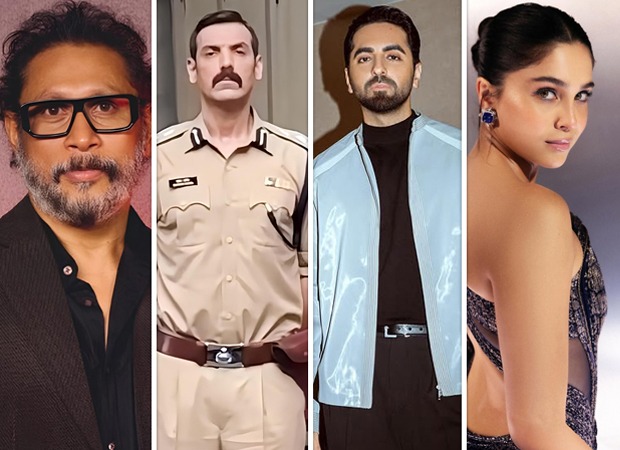
- Ayushmann Khurrana and Sharvari shooting for Rajshri Productions’ upcoming film Yeh Prem Mol Liya at Goregaon railway station.
- John Abraham filming scenes at Western Railway’s headquarters in Churchgate, as well as at Lower Parel railway station and Mumbai Central station for the movie Maria IPS.
- The gripping railway sequences in the recently released O’Romeo, featuring Shahid Kapoor, Nana Patekar, and Triptii Dimri, shot extensively on Western Railway property.
Notably, the permission for shooting Maria IPS was officially granted in November 2025, reflecting the efficiency and proactive approach of Western Railway’s film facilitation process.
Iconic Films Shot on Western Railway Locations
Western Railway has become a cinematic backdrop for numerous Bollywood hits, contributing to the visual storytelling of some of the industry’s most memorable films. Here are some notable locations and the films shot there:
Key Filming Locations and Their Bollywood Connections
- Churchgate Administrative Office: Featured in various films for its administrative charm.
- Mumbai Central Railway Station: The shooting site for blockbusters such as Sikandar (2025), Bodyguard (2011), Once Upon A Time In Mumbaai (2010), Yeh Jawaani Hai Deewani (2013), and Holiday – A Soldier Is Never Off Duty (2014).
- Bandra Terminus: Seen in films like Goodbye (2022), OMG 2 (2023), Ghajini (2008), and Joram (2023).
- Goregaon Railway Station: Featured in movies such as Ra.One (2011), Ek Villain (2014), Gully Boy (2019), and the upcoming All We Imagine As Light (2024).
- Jogeshwari Yard: A favored location for action-packed sequences in Force (2011), Commando 3 (2019), and upcoming projects like Tera Yaar Hoon Main (2026).
- Kandivali Carshed: The backdrop for Kaminey (2009) and Ghayal Once Again (2016).
- Mahim Railway Station: Featured in the recent Darlings (2022).
- Lower Parel Workshop: Set the scene for films such as Fateh (2025), and past classics like Fiza (2000) and Arjun Pandit (1999).
Bollywood’s Growing Affinity for Railway Settings
The trend of shooting Bollywood films on railway premises isn’t new, but the Vande Bharat Express has added a new dimension of modernity and grandeur to these locations. The sleek design, high-speed capabilities, and premium interiors of the semi-high-speed train have made it a favorite among filmmakers aiming to depict contemporary India’s progress and technological advancements.
Moreover, railway locations provide an authentic and dynamic backdrop for diverse narratives—be it intense action sequences, romantic song montages, or dramatic confrontations. This versatility, combined with the ease of access facilitated by Western Railway’s film-friendly policies, has cemented its status as a preferred shooting destination for Bollywood directors and production houses.
The Future of Filming with Indian Railways
As Bollywood continues to evolve, the collaboration with Indian Railways is likely to deepen. With ongoing infrastructural improvements and the introduction of more Vande Bharat trains across different regions, the opportunities for cinematic storytelling are expanding. The government’s support for promoting film tourism and the creative economy further encourages filmmakers to utilize railway locations as vibrant, bustling settings that resonate with modern audiences.
Additionally, initiatives like India Cine Hub (ICH) are expected to streamline permissions even further, making the process more transparent and efficient. This will not only attract more Bollywood productions but also international filmmakers seeking authentic Indian settings for their projects.
Conclusion
The Vande Bharat Express’s journey from a technological marvel to a cinematic icon exemplifies how infrastructure development can intersect with cultural storytelling. Western Railway’s proactive approach to facilitating film and commercial shoots has transformed railway locations into vibrant hubs of creativity, generating substantial revenue and showcasing India’s rich cinematic heritage.
As Bollywood continues to explore new avenues for storytelling, the symbiotic relationship with Indian Railways promises to flourish, paving the way for more iconic films and memorable moments on Indian railway premises. The railway stations, yards, and workshops of Western Railway are not just transit points but also integral parts of India’s vibrant cinematic tapestry, capturing the spirit of a modern, dynamic nation.