The Evolution of Cinema Showtimes: From Traditional to Early Morning Shows in India
Once upon a time, the typical cinema experience in India was simple and predictable. Most theaters screened only four shows a day, usually starting around 11:30 am or 12 noon. This schedule was rooted in tradition, allowing audiences to enjoy films comfortably without the rush of early mornings. However, with the advent of multiplexes and changing consumer preferences, this pattern underwent a dramatic transformation, especially in the bustling entertainment hubs of Bollywood and regional cinema centers.

The Rise of Multiplexes and Innovative Scheduling
In the early 2000s, multiplex cinemas began to proliferate across India, bringing with them the flexibility to experiment with show timings. Exhibitors started organizing screenings as early as 9:00 am or 10:00 am, especially for highly anticipated releases. This shift was driven by the desire to maximize revenue, cater to diverse audiences, and capitalize on the enthusiasm of die-hard fans eager to catch their favorite stars on the big screen.
For blockbuster Bollywood films and regional superstars—like Tamil cinema icons Rajinikanth, Vijay, and Ajith—cinemas pushed the boundaries even further. Some theaters began scheduling shows as early as 8:00 am, 7:00 am, and in rare cases, at dawn—5:00 am or 6:00 am—to cater to fervent fans eager to experience the film first. These early morning shows became cultural phenomena, especially for mega-hit releases that created nationwide buzz.
Regulations and Cultural Considerations in Tamil Nadu
Despite these trends, Tamil Nadu stands out as the only Indian state where early-morning shows are tightly regulated. The state’s cinema exhibition policies generally restrict the first regular show to start around 10:30 am or 11:00 am. For big-ticket releases, producers and distributors often seek special permission from the Tamil Nadu government to hold early shows, which are usually permitted from 9:00 am onwards. Notably, shows at 4:00 am or earlier have not been allowed in recent times, reflecting a cautious approach to preserving cultural norms and public safety.
The last major incident involving early morning shows occurred during the Pongal 2023 festival, a prime time for film releases. The clash between Ajith Kumar’s Thunivu and Vijay’s Varisu saw Thunivu screenings beginning as early as 1:00 am. Meanwhile, Varisu was permitted from 4:00 am. Tragically, the celebrations turned sorrowful when an Ajith fan died while celebrating the release of Thunivu, prompting the Tamil Nadu government to impose stricter regulations on early-morning screenings.
The Cultural Significance of Early Morning Shows in Bollywood and Tamil Cinema
In other Indian states like Karnataka, Andhra Pradesh, Telangana, and even in the commercial hubs of Mumbai, early-morning shows are a common feature for high-profile Bollywood and regional films. Fans often line up at dawn—sometimes as early as 4:00 am or 5:00 am—to be among the first to watch a much-anticipated release. This phenomenon underscores the deep-rooted passion for cinema in India, where film stars are treated almost as deities, and watching a film on opening day is akin to a cultural ritual.
For fans in border regions of Tamil Nadu, such as Coimbatore, heading to neighboring states like Kerala or Karnataka to catch first-day shows is a popular practice. For instance, movie buffs travel to Palakkad in Kerala, just 60 kilometers away, to experience their favorite Tamil stars’ films before they hit the screens in Tamil Nadu, especially during the early hours. This cross-border enthusiasm exemplifies how Bollywood and regional stars command immense influence, transcending linguistic and geographical boundaries.
The Impact of Political Changes: Vijay’s Historic Entry as Tamil Nadu Chief Minister
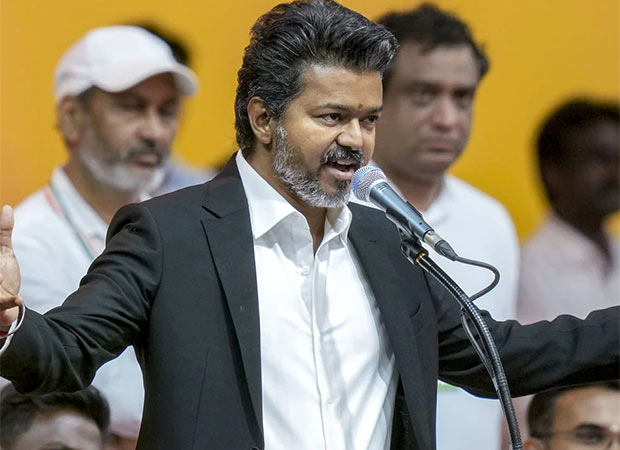
On May 10, a historic milestone was achieved when Vijay, one of Tamil cinema’s biggest superstars and a beloved figure in Bollywood and regional cinema alike, was sworn in as the Chief Minister of Tamil Nadu. His transition from the silver screen to the political arena has sparked excitement and hope among fans and industry insiders. Many are optimistic that his political leadership could usher in a new era for Tamil cinema, including a revival of earlier traditions such as early morning shows that once played a vital role in the industry’s cultural fabric.
Ruban Mathivanan of GK Cinemas in Chennai expressed his optimism, stating, “This is a welcoming change. We are hopeful that the new government will prioritize the cinema industry and support theatre owners during these challenging times.” He highlighted how early morning shows had historically been a lifeline for cinemas, especially when competing with the rise of OTT platforms.
The Significance of Early Morning Shows for Bollywood and Regional Cinema
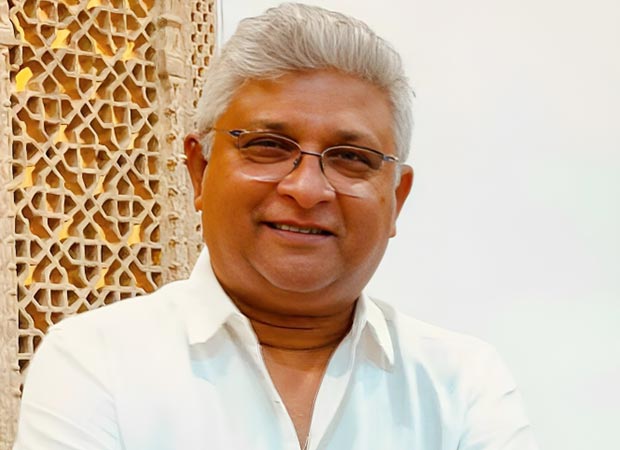
Renowned film exhibitor and distributor Akshaye Rathi emphasized the cultural importance of these early screenings. “The early morning shows are more than just revenue generators—they are an integral part of India’s cinema-going culture. For many fans, especially in Tamil Nadu and Telugu states, watching a film at dawn is a tradition that signifies devotion to the stars and the art form itself.”
He added that the removal or restriction of these shows risks diluting a vital aspect of Indian cinema’s cultural ethos. “They showcase the magic of cinema in its purest form—an experience that OTT and streaming platforms cannot replicate. As someone rooted in the entertainment fraternity, I hope the new leadership recognizes this and fosters an environment where cinema continues to thrive in its full glory.”
The Future of Tamil Cinema and the Role of Political Leadership
With Vijay now serving as Tamil Nadu’s Chief Minister, expectations are high that he will prioritize not only governance and development but also the cultural and entertainment sectors. Industry insiders believe that his influence could help restore traditional practices like early morning shows, which have historically been instrumental in boosting box office revenues and fostering fan engagement.
Vijay’s background in cinema, combined with his political stature, positions him uniquely to champion Tamil cinema’s global reach. His recent political debut has already generated immense social media buzz, with fans speculating that his next film, Jana Nayagan, will be a landmark event in Tamil and Bollywood cinema circles.
Jana Nayagan: A Film’s Journey from Leak to Release
Despite setbacks like a recent leak, expectations are mounting for the release of Jana Nayagan, which is expected to debut around May 21 or 28. Ruban Mathivanan expressed confidence that the film will open with a bang, regardless of the leak controversy. “The passion among Vijay’s fans is unprecedented. The film’s opening is expected to be historic, and social media is already buzzing with anticipation. There’s even talk of changing the opening credit to ‘Chief Minister Vijay’—a testament to his influence both on and off-screen,” he said.
Akshaye Rathi also highlighted that Vijay’s political role could further elevate Tamil cinema’s stature, making it more accessible to a global audience. “When stars like Vijay step into leadership roles, they become ambassadors of their culture. This can help Tamil cinema, bolstered by Bollywood’s influence, to reach new heights worldwide,” he noted.
Conclusion: The Intertwined Future of Bollywood, Regional Cinema, and Politics
The evolving landscape of cinema showtimes, especially in Tamil Nadu, reflects broader changes in India’s cultural and entertainment sectors. From the early morning shows that once symbolized the fervor of Bollywood and regional stars to the recent political developments involving Vijay, the industry is at a crossroads of tradition and innovation. As Tamil Nadu’s new leadership navigates the path forward, many hope for policies that support the continued growth of cinema—both in theaters and across digital platforms—and preserve the cultural essence that makes Indian film industry a global phenomenon.
In the end, Bollywood and regional cinema remain deeply intertwined with the political, cultural, and social fabric of India. Their future will undoubtedly depend on how effectively these sectors adapt to changing times while honoring their rich heritage.