Amaal Mallik Weighs In on Film Violence Debate After Andhra Pradesh School Attack
Bollywood singer and composer Amaal Mallik has entered a growing debate over whether violent films and music can influence real-world behaviour. His comments followed a horrifying attack on a Class 10 student in Andhra Pradesh, prompting renewed discussion about the responsibilities of filmmakers, the impact of popular culture and the role of families in shaping young people’s attitudes.
The incident involved a 21-year-old man, identified as Hemanth, who allegedly attacked the student with an electric chainsaw after she rejected his advances. The case has sparked shock and condemnation, while also raising broader questions about violence, gender-based aggression and how entertainment is interpreted by audiences.

Amaal Mallik Says Cinema Can Influence, but Cannot Explain Every Crime
Responding to the debate on X, formerly Twitter, Amaal acknowledged that films and music can affect young viewers, particularly when audiences imitate what they see or hear. He said creators should consider how violence is presented, but cautioned against treating a film as the sole cause of an individual’s actions.
“I understand why people are concerned. Films and music can influence young people, and some kids copy what they see. Filmmakers should think about how they show violence. But cinema alone cannot be blamed for someone’s actions,” he wrote.
The composer said a person’s behaviour is shaped by many influences, including family values, upbringing, personal experiences, the wider social and political climate, and individual attitudes. At the same time, he stressed that these factors can never excuse violence. Amaal strongly condemned the attack, saying he could not support anyone entering a school, college or other public place to kill another person with a chainsaw. He described the act as horrifying and completely wrong.
Debate Around Violent Bollywood Films
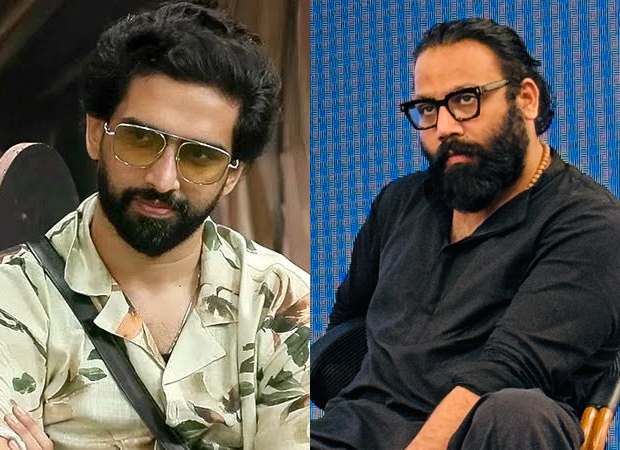
Some reactions to the attack have focused on violent films, including work by filmmaker Sandeep Reddy Vanga. That discussion reflects a familiar question in Bollywood and beyond: do screen portrayals of aggression merely tell stories, or can they normalise harmful behaviour for some viewers?
Amaal said he has enjoyed films such as Animal, Kabir Singh, Dhurandhar and KGF, while also acknowledging that he has objected to certain scenes in some movies. His point was not that every creative choice should escape criticism, but that audiences should be able to distinguish between a fictional narrative and conduct that is acceptable in real life.
That distinction is central to the debate. Films often use violence to build tension, reveal character or explore difficult themes. But the way such scenes are framed can influence how viewers understand them. Context, consequences and the perspective given to victims can all shape whether a sequence feels like a critique of violence or a celebration of it. Amaal’s comments suggest that filmmakers should think carefully about those choices, while audiences also need to engage with stories critically.
Amaal Questions Different Standards for Songs and Social Media
Amaal also questioned why scrutiny often centres on films while songs with provocative lyrics or themes continue to receive widespread exposure. He pointed to tracks including his own “Kar Gayi Chull” and “Rom Rom Romantic,” alongside “Beedi Jalaile,” “Pink Lips,” “Chikni Chameli” and “Munni Badnaam.” He asked why songs of this kind are still featured on reality television and celebrated in mainstream entertainment.
His comments brought attention to a wider issue: popular culture reaches audiences through many formats, not just cinema. Music videos, short-form clips and reality shows can repeat lyrics and images to millions of people, sometimes without the age guidance or context that accompanies a film. Amaal argued that if viewers and critics are examining the influence of movies, they should apply the same standards to music and other entertainment.
He also raised concerns about rap and online content on platforms such as YouTube and Instagram that may glorify murder, power and aggression or use objectionable references to women. The point, he suggested, is not to single out one genre or artist, but to consider how repeated portrayals of violence and misogyny are presented across the entertainment landscape.
Age Ratings and Parental Guidance Matter
Among the practical steps Amaal highlighted was the importance of following age classifications. He urged parents not to take infants to films certified “A,” underlining that ratings are intended to help families make informed viewing choices. Age guidance cannot answer every question about media influence, but it can help adults consider whether a film’s content is appropriate for a child’s age and maturity.
Parents and caregivers also play a role beyond choosing what children watch. Talking about a film or song can help young audiences understand the difference between dramatic storytelling and real-life behaviour. Such conversations can address consent, respect, consequences and the fact that violence is not a solution to rejection or conflict.
A Broader Conversation About Responsibility
Amaal’s response does not dismiss concerns about entertainment. Instead, it calls for a more balanced discussion—one that considers the influence of films and music without reducing a complex crime to a single cause. It also challenges the public to examine the standards applied to different forms of popular culture, from Bollywood blockbusters to chart-topping songs and viral social media content.
For artists and filmmakers, the debate raises questions about creative freedom and social responsibility. For audiences, it is a reminder that fiction should not be treated as a guide to real conduct. And for families and platforms, it highlights the value of age-appropriate access and thoughtful discussion.
Ultimately, Amaal’s central message is that entertainment can shape attitudes, but it cannot be held responsible on its own for an individual’s decision to commit a crime. The Andhra Pradesh attack remains a grave act of violence, and any discussion of films or music must not distract from condemning the harm or supporting those affected. As he put it, cinema can influence people, but it is not the only reason someone commits a crime.