Delhi High Court Grants Final Protection to Amitabh Bachchan’s Personality Rights
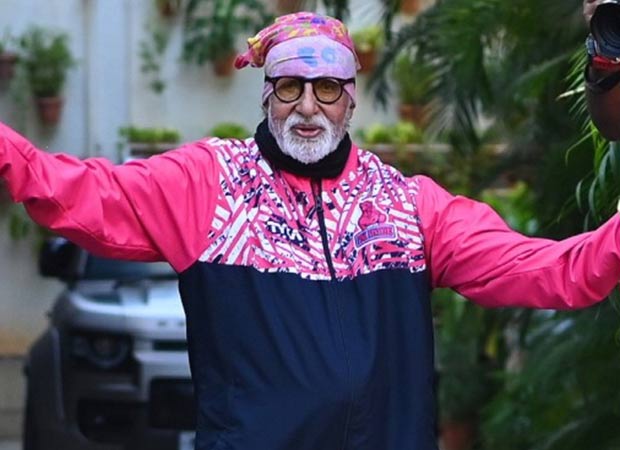
The Delhi High Court has issued a final decree protecting Amitabh Bachchan from the unauthorised commercial use of his name, image, voice and likeness. The order restrains several named entities and unidentified individuals from using the Bollywood star’s identity without his consent, bringing proceedings that began in 2022 to a close.
Justice Purushaindra Kumar Kaurav held that a person’s ability to control the commercial use of their identity is protected by the right to publicity. The Court found that Bachchan’s name and photographs had been used in ways that could mislead the public into believing he endorsed particular products, services or promotions.

What the Court’s Decree Covers
The case arose after Bachchan approached the Court over alleged unauthorised uses of his persona across websites, applications, merchandise and promotional messages. The examples before the Court included a mobile application called Amitabh Bachchan Video Call, messages advertising a supposed Kaun Banega Crorepati lottery, and a general-knowledge quiz book featuring his photograph.
The disputed material also included T-shirts, posters and domain names incorporating the actor’s identity. The Court noted that the use of Bachchan’s “very name and photographs” supported his claim for protection. In particular, the alleged promotions risked creating a false impression that he was connected with, or had approved, the offerings.
The decree prevents the defendants covered by the order from commercially exploiting Bachchan’s identity without permission. The ruling is relevant not only to conventional merchandise and advertising, but also to online activity, where a person’s image or name can be copied and circulated quickly across apps, websites and messaging services.
Protection Extends to Unidentified Users
A significant feature of the order is that it also applies to unidentified individuals, often described in court proceedings as “John Does.” The Court took note of the continued use of Bachchan’s persona through anonymous websites, applications, posters and messaging platforms, where those responsible may be difficult to identify at the outset.
Including unidentified parties in an injunction can help address a practical challenge in digital disputes: websites or accounts may change names, disappear or operate without clear ownership details. The order gives Bachchan a legal basis to pursue action against further unauthorised uses, including those linked to persons who were not identifiable when the case was filed.
The Court also clarified that Bachchan may initiate fresh proceedings if his identity is used without permission in the future. That provision recognises that online misuse can continue or reappear even after specific content has been removed.
Settlements and Summary Judgment
Four defendants—Rajat Nagi, Manoj Publications, Tamatina and Mahesh Patel—settled the matter with Bachchan. They acknowledged his publicity and privacy rights and agreed to stop using his identity. Their commitments included deleting the video-call application, discontinuing publication of the quiz book, stopping the sale of posters and removing the domain name amitabhbachchan.in.
The remaining defendants did not appear in Court or submit written statements despite being served. The Court concluded that the case did not raise disputed facts requiring a full trial and granted summary judgment against them. In practical terms, the Court was able to issue a final decision without a prolonged trial because the absent defendants had not contested the claims.
The final decree follows an interim injunction granted in November 2022. That earlier order has now merged with the final decree, completing the proceedings while maintaining the restrictions imposed to protect the actor’s identity.
Why the Ruling Matters Beyond Bollywood
The decision highlights the growing importance of personality rights in an era when public figures’ names, images and voices can be reproduced across digital platforms. A familiar face can be used to attract attention to a product, app or message, even when the individual has no connection to it. Such use can confuse consumers and potentially affect a person’s reputation and commercial interests.
For celebrities, the ruling reinforces the principle that fame does not automatically make a person’s identity available for commercial use. For businesses and publishers, it serves as a reminder to obtain appropriate permission before using a recognisable person’s name, photograph or likeness to promote or sell something.
The case also reflects how courts are adapting established legal protections to online environments. While the dispute involved physical items such as T-shirts and posters, it also concerned applications, domain names and digital messages. That mix illustrates how personality-rights claims increasingly cross the boundary between traditional merchandising and internet-based activity.
The judgment does not mean that every reference to a public figure is prohibited. Reporting, commentary and other uses may raise different legal questions depending on their purpose and context. The central issue in Bachchan’s case was alleged commercial exploitation of his identity without consent, including uses that could suggest endorsement.
What Happens Next
With the final decree in place, the named defendants are restrained from carrying out the unauthorised commercial uses addressed by the Court. The settlements also require the four agreeing defendants to take specific steps to remove or discontinue the relevant material. If new misuse emerges, Bachchan can return to Court and seek further relief.
The outcome adds to the wider public conversation about privacy, publicity and the responsibilities that come with using a celebrity’s identity. For the Bollywood industry and digital businesses alike, the message is clear: a well-known name or image may have commercial value, but that value does not remove the need for consent.