Umesh Shukla: From Gujarati Theater to Bollywood’s Big Screen — A New Adaptation in the Making
Umesh Shukla, a renowned director and playwright, has carved a distinct niche for himself within the realms of Gujarati theater and Bollywood cinema. Over the years, he has garnered a dedicated following among Gujarati audiences and, since 2012, has made significant inroads into the national Bollywood scene. His journey from regional playwright to Bollywood filmmaker is marked by critically acclaimed adaptations, innovative storytelling, and a deep understanding of cultural nuances that resonate with diverse audiences.
Early Success and Breakthrough with Bollywood
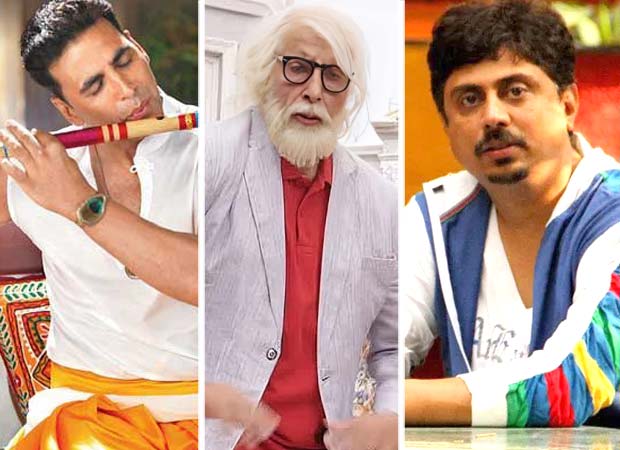
Umesh Shukla’s rise to prominence was notably accelerated by his 2012 Bollywood film OMG Oh My God. The film, an adaptation of his popular Gujarati play Kanji Viruddh Kanji, starred stalwarts Paresh Rawal and Akshay Kumar. It was a devotional courtroom drama that challenged societal beliefs while blending humor and spirituality, ultimately emerging as a sleeper hit and earning widespread praise for its fresh approach. The film’s success cemented Shukla’s reputation as a filmmaker capable of translating regional stories into compelling Bollywood narratives.

Following this, in 2018, Shukla adapted another of his Gujarati plays, 102 Not Out, into a Bollywood film featuring legendary actors Amitabh Bachchan and Rishi Kapoor. The movie, which humorously explores the relationship between an 102-year-old father and his 75-year-old son, was well-received for its heartwarming content and stellar performances. These successes demonstrated Shukla’s mastery in adapting theatrical works for the big screen, bridging regional storytelling with Bollywood’s mass appeal.
The Next Chapter: Madhuri vs Dixit
Building on his legacy of successful adaptations, Umesh Shukla is now gearing up for his next ambitious project — an adaptation of his acclaimed Hindi play Madhuri vs Dixit. This new venture promises to add another feather to his cap, as he continues to explore themes that resonate deeply with Indian audiences, especially within the context of Bollywood’s vibrant film culture.
From Stage to Screen: The Play’s Journey
Madhuri vs Dixit originally premiered as a Hindi theatrical play on April 26 in Mumbai. Interestingly, the story was first staged in Gujarati under the title Madhuri Dixit. The play stars Riddhi Shukla and Vyas Hemang in lead roles. Notably, Riddhi Shukla is married to Umesh Shukla, adding a personal touch to this creative venture. Supporting roles are played by talented actors like Unnati Gala and Harshad Patel.
Umesh Shukla has not only adapted the screenplay for the stage production but also serves as one of its producers alongside Chetan Gandhi and Saumya Joshi. The play’s direction is helmed by Swapnil Baraskar, who brings his creative vision to the project. The narrative explores themes of identity, societal expectations, and the humorous yet poignant rivalry between two iconic Bollywood figures — Madhuri Dixit and another character, reflecting the glamour, controversies, and admiration surrounding Bollywood’s reigning queens.
Exclusive Insights from Umesh Shukla
In an exclusive interview with Bollywood Hungama, Umesh Shukla shared his excitement about the play’s reception and his upcoming plans. He described the recent premiere as “zabardast,” emphasizing the electrifying atmosphere and positive reactions from prominent personalities like Paresh Rawal and Dilip Joshi, who provided encouraging video messages. “Kya show tha; it was electrifying!” he exclaimed, highlighting how the audience’s energy reinforced his belief in the story’s relevance and appeal.
Future Plans: From Gujarati Stage to Bollywood Film
When asked whether the upcoming film will feature the same cast from the play or introduce new actors, Shukla revealed his initial plan to retain most of the original cast. “I first plan to make it as a Gujarati film and then see whether I want to make it in Hindi,” he explained. This approach allows him to test the story’s resonance with regional audiences before expanding its reach. Interestingly, Shukla announced that this would be his first Gujarati film as a director, marking a significant milestone in his career.
He also shared that they have already performed 149 shows of Madhuri Dixit in Gujarati, and for the landmark 150th show, they launched the Hindi version titled Madhuri vs Dixit. The plan is to stage both versions simultaneously, with the Hindi adaptation being notably sharper and more contemporary. This dual-language approach echoes his earlier success with Kanji Viruddh Kanji, which was performed in Gujarati, Marathi, and Hindi — a testament to his commitment to reaching diverse audiences.
Will the Film Be Titled Madhuri vs Dixit?
When queried about the film’s title, Umesh Shukla confirmed that it would indeed be titled Madhuri vs Dixit. This straightforward, impactful title encapsulates the playful yet meaningful rivalry that forms the core of the story, aligning perfectly with Bollywood’s penchant for catchy, memorable titles that generate buzz and curiosity among viewers.
Does Madhuri Dixit Know About the Play?
A question that naturally arises with such projects is whether the legendary Bollywood actress Madhuri Dixit has seen the play or is aware of the adaptation. Umesh Shukla shared that Madhuri was busy shooting at the time of the premiere and couldn’t attend. However, he expressed hope that she would attend the upcoming show scheduled for May 9 at the ISKCON Auditorium in Mumbai. “I’m in touch with her team, and she’s aware of the play,” he said, indicating that the actress’s involvement or at least her awareness remains a priority for the project.
Why This Adaptation Matters for Bollywood and Regional Cinema
The ongoing trend of adapting regional plays and stories into Bollywood films underscores the industry’s increasing appreciation for authentic, culturally rich narratives. Umesh Shukla’s work exemplifies this synergy, where regional theatrical productions serve as fertile ground for Bollywood storytelling. His projects, such as OMG Oh My God and 102 Not Out, have demonstrated that regional stories can transcend linguistic and cultural barriers, appealing to a pan-Indian audience.
Furthermore, the adaptation of plays like Madhuri vs Dixit into films aligns with Bollywood’s evolving landscape, which increasingly values content that combines entertainment with social commentary. The play’s focus on Bollywood icons and their larger-than-life personas taps into the industry’s fascination with celebrity culture, making it highly relevant for Bollywood’s global fanbase.
Looking Ahead: Umesh Shukla’s Vision for Bollywood and Gujarati Cinema
By venturing into making his first Gujarati film, Umesh Shukla is bridging regional and mainstream Indian cinema. His approach exemplifies a broader industry shift that recognizes the importance of regional stories in shaping Bollywood’s future narratives. The success of his adaptations demonstrates that stories rooted in regional culture, when adapted thoughtfully, can captivate audiences across linguistic and cultural divides.
As Bollywood continues to evolve, directors like Umesh Shukla are paving the way for more authentic, diverse storytelling. His upcoming project, Madhuri vs Dixit, promises to be another milestone, blending theatrical brilliance with cinematic excellence. Fans and industry insiders alike eagerly await its release, confident that Shukla’s signature touch will once again deliver a compelling and culturally resonant film.
In Conclusion
Umesh Shukla’s journey from regional Gujarati theater to Bollywood’s big screen exemplifies the power of storytelling that transcends boundaries. His ability to adapt and bring to life stories that resonate deeply with audiences underscores his significance in both regional and Bollywood cinema. The upcoming film adaptation of Madhuri vs Dixit is poised to add a new chapter to his illustrious career, further cementing his status as a visionary storyteller who seamlessly blends regional narratives with Bollywood’s grandeur.
With a rich history of successful adaptations and a clear vision for the future, Umesh Shukla continues to exemplify the innovative spirit of Indian cinema—where regional stories find their rightful place on the national and international stage, enriching Bollywood’s vibrant tapestry.