Why Abhinay Deo Chose an ‘A’ Certificate for Doosra Rather Than Cut Key Scenes
The trailer for Doosra has drawn attention for bringing together two very different stories: the excitement of Indian cricket’s historic 2002 NatWest Series victory over England and the coming-of-age journey of Tara, played by Plabita Borthakur, in a conservative household in Rajasthan. Now, the film is making headlines for another reason. Despite the expectation that a sports drama with a personal storyline might receive a ‘U’ or ‘U/A’ certificate, the Central Board of Film Certification (CBFC) has awarded Doosra an ‘A’ rating.
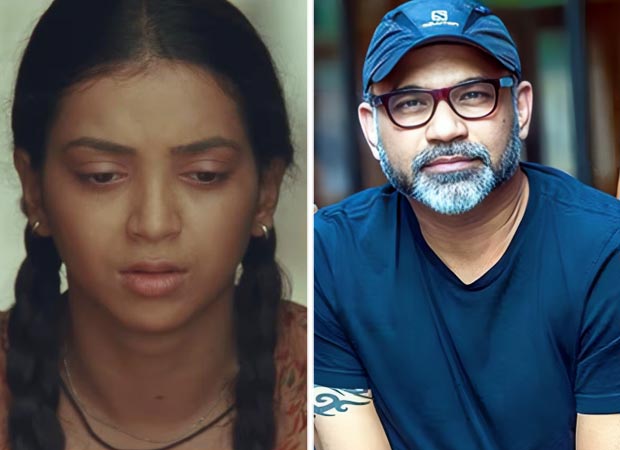
Director Abhinay Deo says the adult certification was a deliberate choice. Rather than remove scenes he considered essential to the story, he accepted the ‘A’ certificate and preserved the film as intended. The decision offers a glimpse into the creative compromises filmmakers can face during certification—and why some choose to protect the integrity of their work, even if that means limiting who can watch it in cinemas.

Abhinay Deo’s decision to keep the film uncut
In an interview with Bollywood Hungama, Deo explained that he attended the CBFC screening and was asked what certification he wanted for the film. He initially suggested a ‘U/A’ rating. The board indicated that it could grant that classification if three scenes were cut. Deo instead offered to accept an ‘A’ certificate if the film could pass without any edits.
According to the director, the CBFC agreed to that arrangement: the film could retain every shot, provided it carried an adult rating. Deo accepted, saying he did not want to alter the material. He described the outcome as an achievement, particularly because films with an ‘A’ certificate can still face requests for cuts during the certification process.
The choice reflects a familiar tension in filmmaking. A more restrictive rating may reduce access for younger viewers, but removing a scene can change a character’s development, the tone of a sequence or the meaning of the story. For Deo, keeping those elements intact mattered more than securing a broader age classification.
The scenes behind the ‘A’ rating
One sequence that contributed to the certification involves Tara as a child. Her father, played by Ankur Vikal, catches her with an adult magazine. The scene includes a brief, two-second image of a nude photograph in the publication. The moment is part of the film’s portrayal of Tara’s early experiences and the restrictive environment in which she grows up.
Deo said the magazine shot was among the scenes the CBFC had asked him to remove or modify. He also cited a reference to the Babri Masjid episode, which the board reportedly suggested could be reduced or changed. The director said he did not want to make those alterations because he believed the moments were integral to Doosra.
The discussion is notable in a film-certification landscape where depictions of nudity and politically or historically sensitive subjects can prompt close scrutiny. In this case, the CBFC allowed the contested shots to remain, with the adult rating serving as the condition for an uncut release. The arrangement underscores that certification is not only about what appears on screen; it can also determine who is permitted to watch a film in a theatre.
A story that connects cricket history with a personal journey
Doosra revisits one of Indian cricket’s most memorable celebrations. After India defeated England in the 2002 NatWest Series final at Lord’s, captain Sourav Ganguly famously waved his shirt from the balcony. The image became a defining piece of cricket folklore, capturing the emotion of a dramatic win and the confidence of a team making its mark on the international stage.
The film places that public sporting moment alongside Tara’s private story. Her life in a conservative Rajasthan household provides a contrasting perspective on freedom, ambition and the limits placed on young women. By linking a celebrated national event with an individual coming-of-age narrative, the film appears to use cricket not simply as a backdrop but as a way to explore identity, aspiration and social change.
That contrast may help explain why the director views the film as relevant to younger audiences, even though it is not intended for teenagers to watch in cinemas under its current rating. Asked whether he was concerned about losing under-18 viewers, Deo said he was not. He added that the film is relevant to teenagers, but is not a film for them to watch—an acknowledgement that subject matter and audience classification do not always align neatly.
What the rating means for audiences
An ‘A’ certificate generally restricts theatrical admission to adults, making the rating an important practical consideration for families and younger cricket fans interested in the film. At the same time, the certification does not necessarily indicate that Doosra is focused on sensational material. In this case, Deo’s explanation points to a small number of scenes that he considers necessary to the narrative, rather than a desire to make the film more provocative.
The choice also highlights a broader creative question for Indian cinema: when a board offers a less restrictive rating in exchange for edits, should a filmmaker make changes to reach more viewers or preserve the original cut? There is no universal answer. A director may prioritise wider access, while another may believe that even a short alteration weakens the film’s emotional or historical context. Deo’s decision places Doosra firmly in the latter category.
Doosra release date
Directed by Abhinay Deo and starring Plabita Borthakur and Ankur Vikal, Doosra is scheduled to arrive in cinemas on October 23. Its unusual blend of cricket history and a young woman’s personal journey has already set it apart from a conventional sports drama. The uncut release and adult certification add another point of discussion ahead of its theatrical debut.
For Bollywood and Indian cinema audiences, the film’s certification story raises questions about artistic intent, age ratings and the balance between access and authenticity. Whether viewers come for the recreation of Ganguly’s iconic celebration or Tara’s story, Doosra is positioning itself as a film that wants its key moments seen exactly as its director intended.