Gaiety-Galaxy Closure Nears Two Months, Leaving Bollywood and Moviegoers Waiting
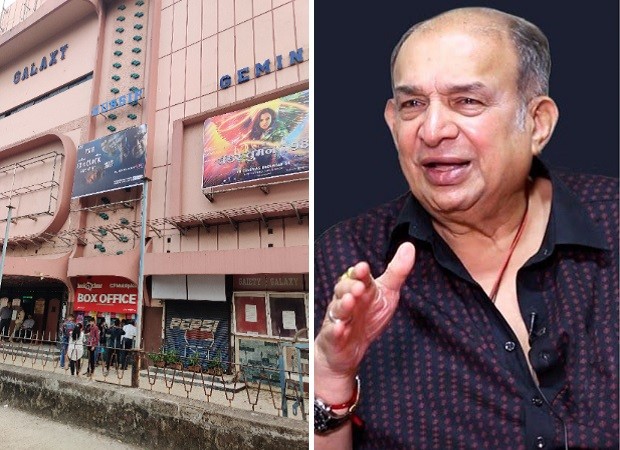
Mumbai’s celebrated G7 multiplex, better known as Gaiety-Galaxy, is approaching a troubling milestone: on November 7, it will have been closed for exactly two months. The shutdown has left employees, film fans and the Hindi film industry wondering when one of the city’s most distinctive cinema destinations will welcome audiences again.
The closure reportedly followed a dispute that prompted police involvement. During the investigation, authorities examined the cinema complex’s records and found that its operating licence had not been renewed since 2021–22. The management was subsequently directed to suspend operations over the reported licensing issue. Although many initially expected the matter to be resolved within days, the process has continued far longer than anticipated.

A landmark cinema missing from Mumbai’s movie calendar
For generations of filmgoers, Gaiety-Galaxy has offered more than a place to watch a movie. Its packed auditoriums, balcony seats and famously vocal audiences have made it a defining part of Mumbai’s big-screen culture. At Gaiety-Galaxy, whistles, applause and cheers are often as much a part of the show as the film itself—particularly when a major star makes a dramatic entrance.
The timing of the shutdown has also meant that the complex missed several high-profile releases. Drishyam The Conclusion and Jailer 2, both released last month, could not be screened there. The recently released Ramayana has also missed out on a run at the venue. Fans can only speculate about the atmosphere that might have filled the halls during the film’s major appearances by Ranbir Kapoor, Yash and Sunny Deol.
That absence matters beyond ticket sales. Gaiety-Galaxy is known for the kind of collective audience reaction that can turn a screening into an event. For mass entertainers, a theatre’s energy can become part of the film’s public conversation, with audience videos and word-of-mouth helping build excitement. The complex’s continued closure has therefore left a gap in Mumbai’s theatrical landscape at a time when cinemas are working hard to make the communal big-screen experience stand out.
Management and staff await a government process
An industry insider said executive director Manoj Desai, who also oversees Maratha Mandir, and his team are working to resolve the matter. However, because the issue involves government procedures, the timeline remains uncertain. There has been no clear indication of when the required steps will be completed or when the multiplex might reopen.
The insider also highlighted the management’s efforts to support its staff during the shutdown. Desai is reportedly continuing to pay employees their full salaries, despite G7 earning no revenue from its screenings since September 7. The wages are particularly important during the festive season, when household expenses can rise. Employees, the source said, are thankful for the support but miss their workplace and are eager to return to serving moviegoers.
The situation illustrates how a licensing dispute can affect far more than a cinema’s owners. A prolonged closure can disrupt livelihoods, unsettle suppliers and deprive local audiences of a familiar entertainment venue. It also leaves the management carrying ongoing responsibilities while ticket income remains absent.
Fans question Bollywood’s silence
Alongside the uncertainty over reopening, some fans and industry observers have expressed disappointment at the lack of public support from Bollywood celebrities. Many actors have visited Gaiety-Galaxy to gauge audience reactions, promote films or share videos of crowds celebrating their performances. For some, the theatre’s enthusiastic response has been an early sign of a film’s popularity—and a memorable part of their journey to stardom.
The insider argued that even a brief message of support could help draw attention to the venue. A simple post saying “Missing Gaiety-Galaxy” or expressing hope for a quick resolution might remind audiences and officials of the cinema’s cultural importance. Some celebrities may be wary of commenting because the closure is linked to a reported licence-renewal issue, but supporters say a sympathetic message need not take a position on the legal or administrative details.
So far, however, the response has been largely quiet. That silence has struck a chord with fans who remember stars celebrating the theatre’s noisy, passionate crowds when those reactions helped generate publicity. For them, speaking up now would be a way to acknowledge the audiences and venue that contributed to the shared experience of watching Hindi films on the big screen.
Gaiety-Galaxy’s history: from three screens to seven
Gaiety-Galaxy opened on November 24, 1972, with Ramesh Sippy’s Seeta Aur Geeta as its inaugural film. The original G7 complex began with three auditoriums: Gaiety, Galaxy and Gemini. Gaiety and Galaxy became its best-known large screens, each offering stall and balcony seating. Gaiety has close to 1,000 seats, while Galaxy holds around 800. Gemini, a smaller single-class auditorium, seats approximately 240.
In the late 1990s, four additional spaces expanded the complex. Grace, a preview theatre above Gaiety’s balcony, is not open to the general public. Gem sits beside Galaxy’s stall, while Glamour is positioned between Galaxy’s stall and balcony and has about 45 seats. Gossip, with roughly 105 seats, has a separate entrance at the rear of the building.
This mix of large auditoriums and smaller screens has helped the venue serve different kinds of screenings and audiences. Yet its reputation rests especially on the scale and atmosphere of Gaiety and Galaxy, where a crowd’s response can make a blockbuster feel like a live celebration.
Reopening remains the key question
As the two-month mark approaches, the central question is still when Gaiety-Galaxy can resume operations. The management is reportedly working through the required procedures, while employees wait for the chance to return and regular patrons hope their favourite cinema will reopen soon. Until then, Mumbai’s film community is missing a venue that has played a distinctive role in Bollywood viewing culture for more than five decades.
For moviegoers, the hope is not simply for another cinema to take its place. It is for the return of a particular kind of experience: a packed hall, a dramatic entry, and hundreds of people reacting together. Whether that familiar roar will soon be heard again depends on the resolution of the outstanding administrative issue—and on the complex’s eventual return to Mumbai’s film calendar.