Mika Singh Defends Daler Mehndi After Uttarakhand Fair Performance Row
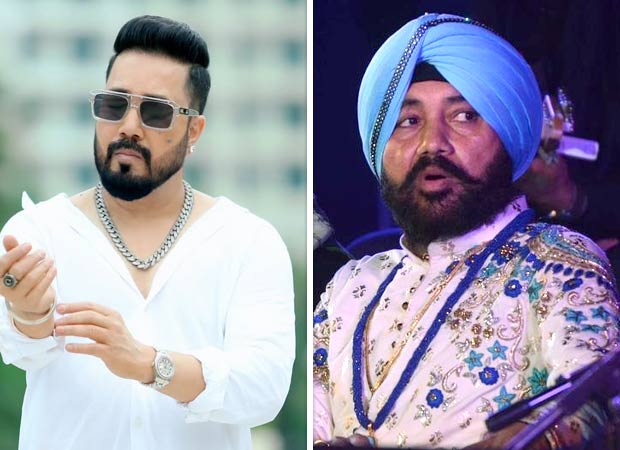
Singer Mika Singh has spoken out in support of his brother, Daler Mehndi, after a public confrontation during Daler’s performance at a cultural fair in Uttarakhand sparked controversy online. Calling the incident “disappointing,” Mika urged media outlets to verify allegations before presenting them as fact and said artists should be given a chance to respond.
The episode took place on October 18 at the annual Siddhpeeth Maa Kunjapuri Tourism and Development Fair in Tehri district. A video circulating on social media shows Uttarakhand Cabinet Minister and local MLA Subodh Uniyal interrupting Daler’s set. The minister questioned the singer’s performance and alleged that he appeared to be under the influence of alcohol. He also raised questions about the performance in connection with its reported fee.

The clip prompted debate about the way performers are treated at public events, as well as the responsibility of public figures and news organisations when making or reporting serious claims. Mika’s response has added a prominent Bollywood music-industry voice to the discussion.
Mika questions the alcohol allegation
On October 20, Mika shared a video on social media alongside a Dussehra greeting for his followers. In his message, he objected to the allegation that Daler had been drinking while performing, arguing that such a claim should not be made publicly without evidence.
“The way Daler Mehndi was treated on stage was disappointing,” Mika wrote. He acknowledged that a minister could question the quality of a performance, but drew a distinction between criticism and making an accusation about a performer’s conduct. “I agree sir, you are right, but don’t say that you are drinking and singing,” he said.
Mika also asked whether the same approach would be taken with a major international act. “Would anyone dare to behave like that with an international band like Coldplay?” he asked. His comparison highlighted a broader concern about whether Indian artists receive the same courtesy and professional respect as performers from abroad.
In the video, Mika defended his brother’s reputation, pointing to Daler’s long career and public image. “He has been a superstar for the last 30 years. Have you ever seen a glass of alcohol in his hand in your life?” he said. His comments were a personal defence, rather than independent confirmation of what happened at the event.
Mika says Daler was recovering from an operation
Mika also offered an explanation for why Daler may not have appeared at his best on stage. He said his brother had been unwell and was recovering from a major operation. “If he is not able to stand or he is not able to sing well, he was not feeling well. Because he had a big operation recently,” Mika said.
He added that performers may continue with scheduled appearances even when they are sick, especially after committing to an event. Mika described his own experience of honouring professional obligations despite illness, saying that once he has agreed to a show, he feels responsible for being there regardless of the fee.
That perspective points to a familiar challenge in live entertainment: a performance is the visible result of extensive planning, but audiences may not know about an artist’s health, travel demands or other circumstances. At the same time, organisers and ticket-holders can reasonably expect a professional show. The controversy has therefore raised questions about how concerns should be handled—particularly when an artist’s condition is being discussed in front of a crowd.
Why the incident has drawn attention
Videos of on-stage disputes often spread quickly, and short clips can shape public opinion before the full context is clear. In this case, the footage has fuelled discussion about the minister’s intervention, Daler’s performance and the alcohol allegation. Mika’s appeal focuses on a related issue: the difference between reporting what is visible in a video and treating an unverified claim as established fact.
“A headline can damage someone’s reputation, so please check the facts before publishing anything,” Mika said, urging journalists to seek clarification and give artists an opportunity to share their side. His message reflects a wider concern in celebrity news, where a dramatic moment can become a defining story even when important details remain uncertain.
Responsible coverage does not require avoiding criticism. It means clearly distinguishing between confirmed information, allegations and personal opinions. In a fast-moving social media environment, that distinction can help audiences understand what is known—and what still needs to be established.
A debate about respect and accountability
The incident has also prompted a broader conversation about respect at public performances. A minister attending a local event may have a legitimate role in raising concerns about the programme or the use of public resources. But critics of the confrontation argue that sensitive allegations should be handled with care, particularly when they concern a person’s health or conduct.
For artists, public scrutiny is part of a high-profile career, and audiences are entitled to discuss whether a performance met expectations. Yet criticism of a show is different from an accusation that could affect someone’s personal and professional standing. Mika’s comments underline that distinction while asking the media to avoid amplifying claims without verification.
The controversy remains a reminder of how quickly a live-event moment can become a national talking point. As the conversation continues, audiences will be watching for more context about the performance and the circumstances surrounding it. For now, Mika’s appeal is clear: assess the show fairly, verify serious allegations, and allow the people involved to respond before conclusions are drawn.