Sunny Deol Opens Up About His Stand on Bollywood Endorsements and His Latest Film Batwara 1947
Bollywood veteran Sunny Deol, renowned for his intense performances and iconic dialogue delivery, has once again captured the attention of fans and industry insiders alike. Recently, the actor featured in the period drama Batwara 1947, directed and co-written by the acclaimed filmmaker Rajkumar Santoshi and produced by Aamir Khan under his production banner. The film, set against the tumultuous backdrop of India’s Partition in 1947, has reignited conversations about Deol’s career choices, his acting prowess, and his firm stance on social and ethical issues, including his refusal to endorse certain products in Bollywood.
Sunny Deol’s Firm Stand Against Pan Masala Advertisements
Honest Insights from the Actor’s Recent Podcast Interview
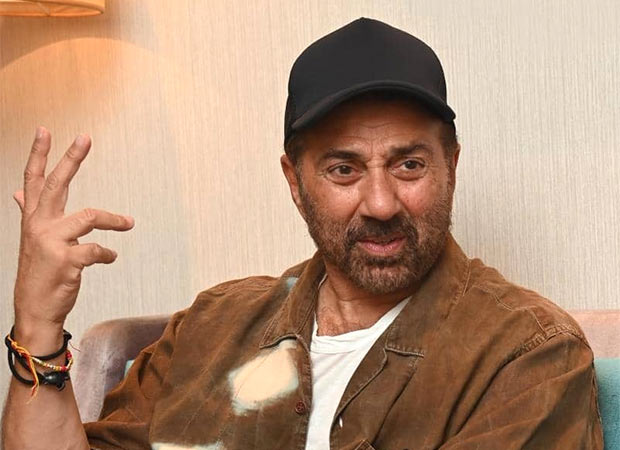
In a candid conversation with Shubhankar Mishra on his popular podcast, Sunny Deol opened up about the offers he has received over the years to endorse various products, especially pan masala brands. Known for his straightforward attitude, the actor emphasized his refusal to promote products that go against his personal values and beliefs.

Sunny Deol stated, “I don’t do pan masala ads and I never will. They come, but I will not do them. I refuse to endorse things I do not believe in. I do not support such products because I think they are not good for health or society.”
He further elaborated on his stance, emphasizing the importance of integrity and ethical responsibility. “There are many things I choose not to do because my conscience doesn’t permit me. I prefer to stand by my principles rather than compromise for commercial gains,” he added.
The Broader Context: Bollywood’s Endorsement Culture
Sunny Deol’s principled stance highlights a broader debate within Bollywood regarding celebrity endorsements. The industry has long been scrutinized for promoting products like pan masala, cigarettes, and other health-affecting items, often targeting the youth. While endorsements can significantly boost a celebrity’s career and income, many actors are increasingly choosing to abstain from promoting products that could harm society or conflict with their personal values.
Deol’s decision resonates with a rising trend among Bollywood stars who are advocating for responsible advertising. This shift not only underscores the importance of ethical responsibility but also reflects a changing consumer landscape that favors transparency and social consciousness. Celebrities like Sunny Deol are setting examples for upcoming actors to prioritize integrity over lucrative endorsements that might tarnish their image or influence vulnerable audiences negatively.
Reflections on Bollywood and Candid Career Choices
Why Sunny Deol’s Brand Choices Matter
Despite his iconic status, Sunny Deol admits that he doesn’t always understand the mechanics behind the types of endorsements he is approached for. He expressed curiosity about why certain opportunities come his way and others don’t, comparing it to his experience with films where certain roles or projects didn’t materialize despite initial interest.
“If I represent India and embody the values of the nation, I often wonder why some brands or ads don’t come to me. It’s similar to how some films get made and others don’t. I have no concrete answer, but I believe it’s about aligning with the right projects and messages,” he explained.
The Actor’s Perspective on Bollywood’s Commercial Landscape
Sunny Deol’s candid reflections shed light on the complex dynamics of Bollywood’s commercial and artistic pursuits. While the industry is driven by profit and marketability, many seasoned actors like Deol continue to prioritize authenticity and social responsibility. His stance encourages a more conscious approach to endorsements and film choices, emphasizing that success in Bollywood is not solely measured by monetary gains but also by the integrity of the message conveyed.
Batwara 1947: A Historical Epic in Bollywood’s Period Drama Genre
Setting the Stage: The Partition of India
Deol’s latest film, Batwara 1947, has garnered significant attention for its compelling portrayal of one of the most turbulent periods in Indian history—the Partition of India in 1947. Set against Lahore, the film captures the chaos, heartbreak, and resilience of those caught in the upheaval. It aims to bring history alive through powerful storytelling, resonating with audiences who are eager to understand the human side of this historic event.
Star-Studded Ensemble and Critical Acclaim
The film boasts an impressive cast, including Preity Zinta, Shabana Azmi, Karan Deol (Sunny’s son), Ali Fazal, and others, each bringing depth and authenticity to their roles. The narrative is based on Asghar Wajahat’s acclaimed play Jis Lahore Nai Vekhya, O Jamya E Nai, which has been celebrated for its poignant exploration of identity, loss, and hope.
Released on August 14, 2023, Batwara 1947 has received praise for its meticulous production design, sensitive direction, and compelling performances. Critics have lauded Sunny Deol’s portrayal of a resilient individual navigating the chaos, further cementing his reputation as a versatile actor capable of handling complex, layered characters.
Connecting History and Cinema
This film is part of a broader trend in Bollywood where filmmakers are revisiting historical narratives with fresh perspectives. Period dramas like Batwara 1947 serve not only as entertainment but also as educational tools that foster dialogue about India’s past, communal harmony, and the importance of remembering history’s lessons. Sunny Deol’s participation underlines his commitment to meaningful cinema that goes beyond commercial formulas, contributing to Bollywood’s legacy of socially relevant storytelling.
Impact and Future Outlook for Sunny Deol in Bollywood
Maintaining Relevance in a Changing Industry
Despite the rapid evolution of Bollywood, with new talents and changing audience preferences, Sunny Deol continues to carve out his niche with projects that align with his values. His recent work in Batwara 1947 demonstrates that he remains committed to delivering impactful stories rooted in Indian history and culture.
Moreover, his outspoken stance on endorsements and social issues sets a benchmark for responsible celebrity conduct in Bollywood. As the industry faces increasing scrutiny over the social impact of its content and marketing strategies, stars like Sunny Deol are leading the way in promoting ethical responsibility and integrity.
Looking Ahead: What’s Next for Sunny Deol?
While Sunny Deol’s current focus is on his historical epic, fans and industry insiders look forward to his future projects that promise to be equally engaging and meaningful. His dedication to authentic storytelling and principled brand associations suggests that he will continue to be a role model for aspiring actors who wish to balance fame with social responsibility.
Conclusion
Sunny Deol’s recent revelations about his refusal to endorse pan masala products underscore his integrity and commitment to responsible Bollywood practices. His stance echoes a larger movement within Indian cinema, emphasizing ethical endorsements and socially conscious storytelling. As he continues to enthrall audiences with his powerful performances in films like Batwara 1947, Sunny Deol exemplifies that true stardom in Bollywood is not just about fame and fortune but also about staying true to one’s principles and contributing positively to society.
For fans of Bollywood and cinema enthusiasts alike, Sunny Deol’s journey remains a testament to the enduring power of authenticity and moral conviction in the glamorous yet complex world of Indian film industry.