Abundantia Entertainment Develops AI Division aiOn Into a Standalone Creative Studio
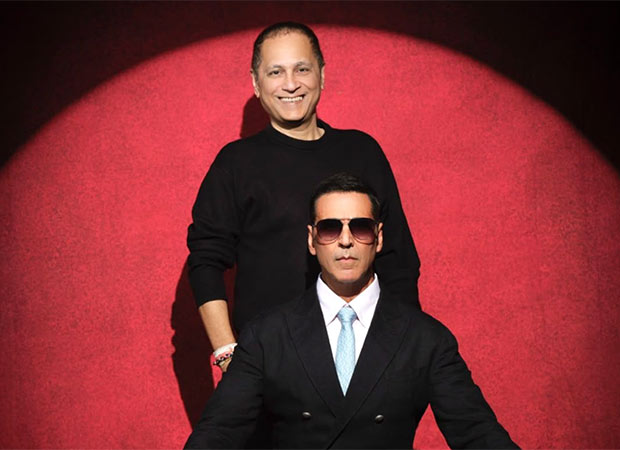
Abundantia Entertainment is taking a significant step into technology-led filmmaking by developing aiOn, its artificial intelligence-driven creative division, into a standalone studio. Led by founder and CEO Vikram Malhotra, the initiative is designed to explore how AI can support premium storytelling while keeping human creativity at the centre of the process.
Launched about a year ago, aiOn will create and back original projects across two broad formats: productions generated entirely with AI and hybrid works that combine live-action filmmaking with AI tools. The studio is also building its own creative and production ecosystem, with the aim of developing the expertise and workflows needed to bring such projects from early concept through to finished content.

A Distinct Identity Within Abundantia
Although aiOn is being shaped as a separate studio with its own creative identity and mandate, it will remain within Abundantia Entertainment for now. Malhotra will continue to lead the initiative as it develops its slate and production capabilities.
The move signals a more structured commitment to AI-led content creation. Rather than treating artificial intelligence as a one-off tool or a novelty, Abundantia is positioning aiOn as a dedicated space to test how emerging technology can contribute to the craft and business of entertainment. Its work could span different storytelling formats, production approaches and visual styles, depending on the needs of each project.
“Human-First, AI-Empowered” Filmmaking
At the heart of aiOn’s approach is the principle of being “Human-First, AI-Empowered.” In practical terms, this means that writers, directors and other creative professionals remain responsible for the vision and authorship of a project, while AI is used to expand what they can explore and produce.
Artificial intelligence can assist with parts of the creative workflow, from developing visual ideas and refining concepts to supporting production processes. But the technology does not automatically supply the emotional insight, cultural understanding or point of view that make a story resonate. Those qualities still depend on human judgement and creative intent.
That distinction is especially important as filmmakers and studios consider how AI fits into an industry built on collaboration. For audiences, the central question is not simply whether a film uses AI, but whether the technology serves the story. Abundantia’s stated philosophy suggests that aiOn intends to use AI as an amplifier of creative choices, rather than a replacement for the people who make them.
Partnerships and a Growing AI Slate
Abundantia has already begun laying the groundwork for aiOn’s output. The company has partnered with video creation platform invideo on a slate of five AI-driven films planned over the next three years. The partnership provides a concrete starting point for the division as it develops its production model and explores the possibilities of AI-assisted filmmaking.
The five-film plan also points to an effort to move beyond experimentation and towards a sustained body of work. As the projects take shape, they may offer a clearer picture of how AI can be incorporated into different kinds of storytelling, including fully generated works and productions that combine digital techniques with conventional live-action filmmaking.
For the wider Bollywood and Indian entertainment industries, the development comes at a time when technology is increasingly influencing how content is imagined, produced and delivered. AI could help creators explore ambitious visual concepts or streamline certain stages of production, though its use also raises questions around creative ownership, transparency and the role of artists. A studio built specifically around these challenges could give Abundantia a platform to develop its own standards and practices.
Building on Abundantia’s Storytelling Track Record
Founded by Malhotra in 2013, Abundantia Entertainment has established a varied portfolio across theatrical films and streaming originals. Its titles include Baby, Airlift, Toilet: Ek Prem Katha, Shakuntala Devi and Sherni, as well as the horror film Chhorii and its sequel, Chhorii 2. The company has also produced the series Breathe and Daldal.
Its recent releases include Subedaar, starring Anil Kapoor and directed by Suresh Triveni, and Maa Behen, featuring Madhuri Dixit and Triptii Dimri. That range—from thrillers and socially grounded dramas to horror and streaming series—gives the company experience across different genres and formats. aiOn’s challenge will be to carry that storytelling sensibility into a new production environment without allowing technology to overshadow character, emotion or narrative purpose.
What aiOn’s Expansion Could Mean
Developing aiOn as a distinct studio may allow Abundantia to focus resources, creative talent and technical experimentation in one place. It could also help the company build repeatable processes for projects that use AI, rather than approaching each production as an isolated trial. The results will ultimately depend on the stories the studio chooses to tell and how effectively its tools support the people making them.
The expansion reflects a broader shift in entertainment, where creative companies are looking for ways to combine established filmmaking practices with new technologies. For Abundantia, the opportunity lies in extending its storytelling experience into a field that is still evolving. For audiences, the measure of success will remain familiar: whether the finished work is compelling, distinctive and emotionally engaging.
As aiOn takes shape, Abundantia is seeking to balance innovation with creative responsibility. Its standalone identity, upcoming AI-driven slate and human-first philosophy position the studio as a focused experiment in the future of filmmaking—one that aims to use artificial intelligence not to diminish human imagination, but to give it more ways to reach the screen.