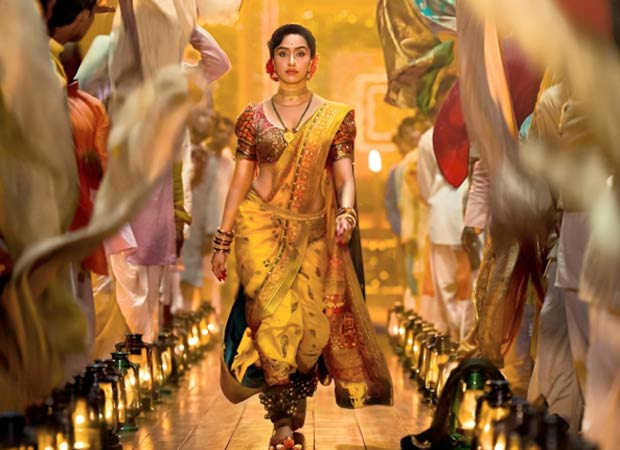
Controversy and Clarification: The Making of Bollywood’s ‘Eetha’ Biopic and the Family’s Perspective
The upcoming Bollywood biographical film ‘Eetha’, featuring popular actress Shraddha Kapoor in the role of legendary Lavani artist Vithabai Narayangaonkar, has become the center of a heated debate within political and familial circles. The controversy revolves around the film’s title, which has sparked discussions about cultural respect, historical accuracy, and the importance of preserving a beloved artist’s legacy.

Background of the Film and Its Cultural Significance
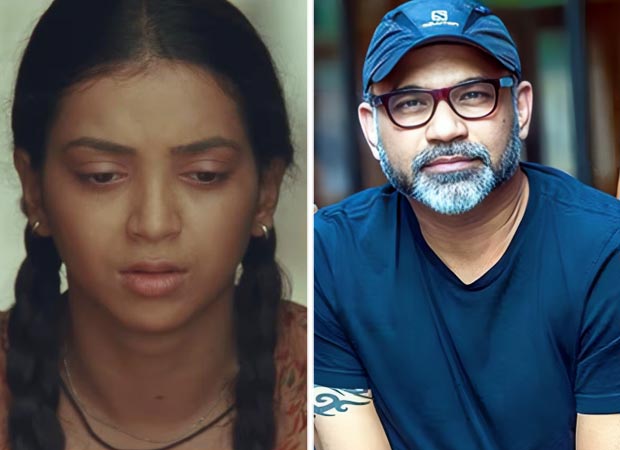
Directed by acclaimed filmmaker Laxman Utekar and produced by Dinesh Vijan under the banner of Maddock Films, ‘Eetha’ is a much-anticipated biopic that aims to shine a spotlight on the life and artistry of Vithabai Narayangaonkar, one of Maharashtra’s most revered Lavani performers. Known for her mesmerizing performances and influential role in popularizing Lavani across Maharashtra and beyond, Vithabai remains a cultural icon whose influence transcends generations.
The film is set to release on August 28, coinciding with the Raksha Bandhan festival, a strategic date aimed at maximizing viewership during a festive weekend. The teaser, which was unveiled recently, has already generated significant buzz, with audiences praising Shraddha Kapoor’s transformative portrayal of the legendary artist. However, despite the excitement, the film’s title has become a flashpoint of controversy, leading to debates about cultural sensitivity and historical accuracy in Bollywood storytelling.
The Controversy Over the ‘Eetha’ Title
Initially, the title ‘Eetha’ was met with mixed reactions. Some political leaders, notably members of the Nationalist Congress Party (NCP), expressed concerns that the name did not sufficiently honor Vithabai Narayangaonkar’s legacy. Critics argued that a biopic of such a significant cultural figure should carry a title directly referencing her name, ensuring her contributions are properly acknowledged.
Adding fuel to the fire, reports surfaced that certain members of Vithabai’s family expressed reservations about the title. These objections prompted widespread speculation about familial disagreements and the potential impact on the film’s marketing and reception. The debate quickly gained momentum on social media and within cultural circles, highlighting the sensitive nature of representing historical figures in Bollywood films.
Family Support and Clarification: Mangala Bansode Karavadikar’s Perspective
Amidst the mounting controversy, a pivotal voice has emerged from Vithabai Narayangaonkar’s family. Mangala Bansode Karavadikar, the eldest daughter of Vithabai and a revered Tamasha artiste herself, publicly clarified her stance on the film’s title. Speaking to The Times of India, the 75-year-old artist emphasized that her family does not oppose the use of the name ‘Eetha.’
“We have no objection to the film’s title,” Mangala Bansode stated. “I have spoken with Mohit (her grandson), and I have requested him not to issue any further statements on this matter. The title ‘Eetha’ holds cultural and personal significance because, in those days, people from the villages where my mother performed would affectionately call her by that name.”
She elaborated that she had already informed director Laxman Utekar about this historical context during his research for the film. According to Mangala, the filmmaker made extensive efforts to understand the cultural and familial background of Vithabai Narayangaonkar, meeting with her family multiple times to ensure an authentic portrayal. Her support underscores the importance of understanding the cultural roots behind the nickname, which was a term of endearment used by villagers who admired her performances.
The Cultural and Historical Context of the Name ‘Eetha’
To appreciate the significance of the name ‘Eetha,’ it’s essential to understand the cultural landscape of Maharashtra and the art forms that Vithabai Narayangaonkar championed. Lavani, a traditional Marathi dance and song form, gained popularity in rural Maharashtra, often performed during festivals and social gatherings. Artists like Vithabai became household names, renowned for their captivating performances and ability to connect with audiences from all walks of life.
The nickname ‘Eetha’ was an affectionate term used by villagers and fans, symbolizing the close bond between the artist and her audience. For many, it represented her humble origins and her dedication to preserving traditional art forms. By choosing this title, the filmmakers aim to honor that intimate connection, emphasizing the cultural roots from which Vithabai’s legendary status emerged.
Implications for Bollywood and Cultural Representation
This controversy highlights a broader conversation within Bollywood about how historical and cultural figures are portrayed on the big screen. The industry has, in recent years, faced scrutiny over accurately representing regional art forms, respecting cultural sensitivities, and ensuring that biopics do not inadvertently distort or diminish the legacies of revered personalities.
In the case of ‘Eetha’, fans and cultural experts argue that the film has an opportunity to showcase Maharashtra’s rich Lavani tradition authentically. The support from Vithabai’s family suggests that the filmmakers are committed to honoring her memory with respect and accuracy, provided they stay true to the cultural context behind the title and story.
Star Power and Excitement Around the Film
Shraddha Kapoor’s casting as Vithabai Narayangaonkar has generated considerable excitement among Bollywood fans and cultural enthusiasts alike. Her transformation into the Lavani artist has been praised for its authenticity and dedication, with early glimpses from the teaser showcasing her impressive performance skills. Kapoor’s involvement promises to bring national and international attention to Maharashtra’s traditional art forms, further elevating the profile of regional art in mainstream Bollywood cinema.
Furthermore, the supporting cast, featuring Randeep Hooda and Mohammed Zeeshan Ayyub, adds star power and depth to the project, promising a compelling narrative that combines entertainment with cultural education.
Looking Ahead: Release and Expectations
As the release date approaches, anticipation continues to build. The makers are optimistic that the film will resonate with audiences, not only as a biopic but also as a celebration of Maharashtra’s artistic heritage. The controversy surrounding the title appears to be calming, especially with Mangala Bansode Karavadikar’s supportive stance, which lends credibility and cultural authenticity to the project.
In conclusion, ‘Eetha’ stands at the intersection of Bollywood’s storytelling prowess and Maharashtra’s rich cultural history. The film’s journey reflects ongoing conversations about respecting regional identities, honoring artistic legacies, and ensuring that cinematic portrayals are both accurate and meaningful. Fans of Bollywood and traditional Marathi art forms eagerly await its debut, confident that this biopic will leave a lasting impact and help preserve the cultural heritage of one of Maharashtra’s most beloved Lavani artistes.
Final Thoughts
As Bollywood continues to evolve, embracing stories rooted in regional traditions and historical figures, films like ‘Eetha’ serve as vital reminders of the importance of cultural sensitivity and authenticity. With the support of Vithabai Narayangaonkar’s family and the creative vision of director Laxman Utekar, this biopic promises to be a significant contribution to Indian cinema — a tribute to a legendary artist and an inspiring example of respectful storytelling in Bollywood.