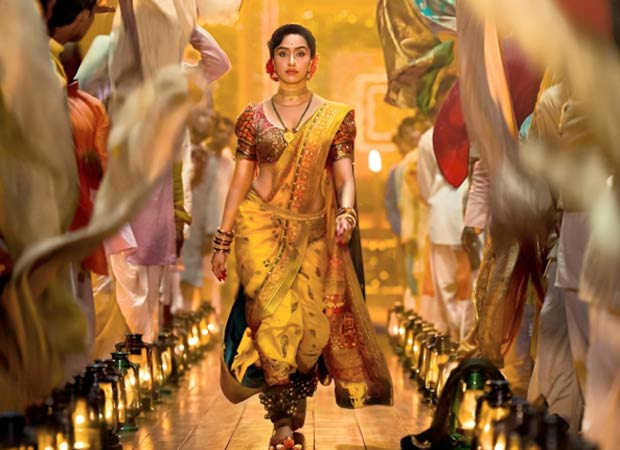
Bollywood’s Upcoming Biopic ‘Eetha’ Faces Family Support and Title Controversy
The buzz surrounding the highly anticipated Bollywood film ‘Eetha’, a biographical drama centered on the legendary Lavani performer Vithabai Narayangaonkar, has taken an interesting turn. While the film’s teaser has already created waves among audiences and critics alike, the choice of its title has ignited a spirited debate within political and cinematic circles. Recent developments reveal a nuanced stance from Vithabai’s family, adding a new layer of complexity to the ongoing controversy.

Background: The Significance of ‘Eetha’ in Vithabai Narayangaonkar’s Legacy
Set to be released on August 28, during the Raksha Bandhan festive weekend, ‘Eetha’ aims to bring the inspiring story of Vithabai Narayangaonkar to Bollywood audiences. Known for her mesmerizing Lavani performances, Vithabai remains a towering figure in the Marathi and Indian cultural landscape. Her contributions to folk arts have left an indelible mark, transcending generations.
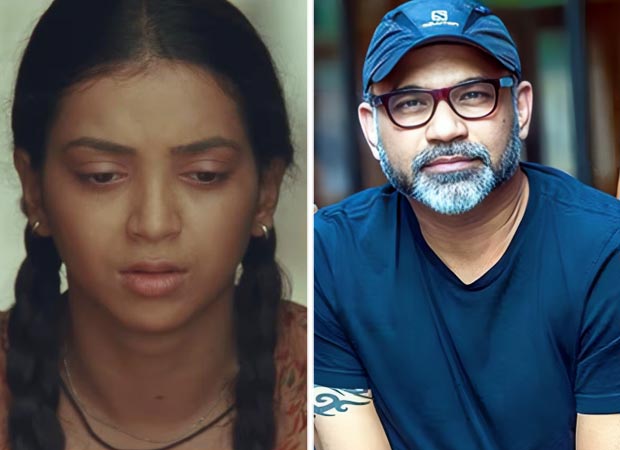
The film, directed by acclaimed filmmaker Laxman Utekar and produced under the Maddock Films banner by Dinesh Vijan, stars Shraddha Kapoor in the titular role. The project promises to showcase not only her artistic brilliance but also her personal journey, struggles, and the cultural milieu that shaped her career.
The Origin of the Title ‘Eetha’ and Its Cultural Roots
The choice of the title ‘Eetha’ has sparked considerable debate. According to family members, the name holds deep cultural and emotional significance. It was a colloquial term used by villagers and audiences during Vithabai’s performances, especially in rural areas of Maharashtra where her art thrived. The name ‘Eetha’ was an affectionate nickname given to her by her admirers, reflecting the respect and love she garnered from her community.
In an exclusive interview with The Times of India, 75-year-old Vithabai Narayangaonkar’s eldest daughter, Mangala Bansode Karavadikar, clarified that the family supports the film’s title. She emphasized that her mother was lovingly called ‘Eetha’ by the villagers, and that the name encapsulates her cultural identity and folk roots. Mangala explained, “We have no objection to the film’s title. I have spoken with Mohit (her grandson), and I’ve asked him to refrain from making further statements on this matter. The name ‘Eetha’ is a cherished part of our family history and cultural heritage.”
Family’s Perspective: Support Amid Controversy
Mangala’s comments provide a vital perspective amid the controversy. She further elaborated that her family’s understanding of the name aligns with the filmmakers’ intentions of portraying Vithabai’s life authentically. “During his research, director Laxman Utekar visited our family and learned about the significance of the name. We believe that this title will help audiences connect with my mother’s roots and appreciate her dedication to folk arts,” she added.
This clarification is particularly noteworthy considering earlier reports suggested that some members of Vithabai’s family, including her sons Kailash and Rajesh Narayangaonkar, along with her grandson Mohit Narayangaonkar, had reservations about the film’s title. Their objections reportedly centered around the idea that a biopic of such a revered artist should bear her full name, thus honoring her legacy more explicitly.
Political and Public Reactions: The Ongoing Debate
The controversy surrounding the title ‘Eetha’ was further intensified after the teaser was unveiled. Several political figures, especially members of the Nationalist Congress Party (NCP), voiced their concerns publicly. They argued that naming the film after a nickname diminishes the stature of Vithabai Narayangaonkar and suggested that a biopic should bear her full name to honor her contributions properly.
This debate highlights the broader cultural conversation about how legendary artistes are remembered and celebrated in Indian cinema. While some believe that choosing a culturally resonant nickname like ‘Eetha’ brings authenticity and intimacy to the narrative, others advocate for a more formal recognition of her official name to preserve her legacy’s dignity.
Bollywood’s Role in Honoring Folk Art Icons
The inclusion of Shraddha Kapoor in the role of Vithabai Narayangaonkar underscores Bollywood’s ongoing commitment to portraying the diverse tapestry of Indian folk arts and legends. Historically, Bollywood has played a pivotal role in bringing regional and folk artistes to mainstream attention, often blending cultural authenticity with cinematic storytelling.
The film’s casting and thematic focus are reflective of a larger trend in Bollywood where biopics serve as platforms to celebrate lesser-known yet influential figures from Indian history and arts. ‘Eetha’ aims to not only entertain but also educate audiences about the rich cultural traditions of Maharashtra, especially the art of Lavani—a dance form deeply associated with Vithabai’s legacy.
What to Expect from ‘Eetha’
Based on the teaser and early promotional materials, ‘Eetha’ promises a compelling narrative filled with vibrant performances, emotional depth, and cultural authenticity. Shraddha Kapoor’s transformation into Vithabai has garnered praise, with viewers noting her dedication to capturing the essence of the legendary artist.
Supporting cast members like Randeep Hooda and Mohammed Zeeshan Ayyub are expected to add further layers of complexity and nuance to the story, portraying key figures in Vithabai’s life and the socio-cultural environment of her time.
Conclusion: A Cultural Milestone in Bollywood
As Bollywood continues to evolve, the biopic ‘Eetha’ stands out as a significant project that bridges the worlds of regional folk arts and mainstream cinema. The ongoing debate over its title underscores the importance of cultural sensitivity and respect for legacy, reminding filmmakers and audiences alike of the profound impact that legendary artistes like Vithabai Narayangaonkar have had on Indian cultural history.
With its scheduled release on August 28, ‘Eetha’ is poised to be more than just a film—it aims to be a tribute to a revered artist whose influence transcended generations. Whether the title remains ‘Eetha’ or evolves into her full name, the film’s success will ultimately depend on its ability to authentically portray her life and legacy, enriching Bollywood’s tradition of celebrating India’s diverse cultural heritage.
Stay tuned for more updates on ‘Eetha’ and other upcoming Bollywood biopics that continue to honor India’s legendary artistes and folk traditions.