
Yo Yo Honey Singh Appears Before Maharashtra Cyber Cell in Delhi Concert Remarks Case
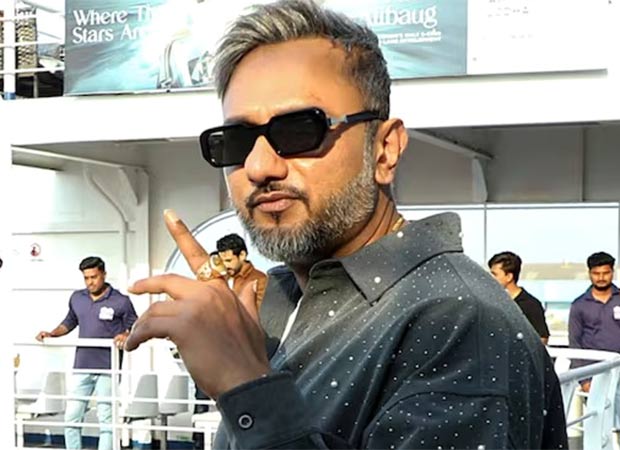
Rapper and singer Yo Yo Honey Singh appeared before the Maharashtra Cyber Cell on Friday, October 16, and was questioned for more than two hours over a complaint concerning remarks he allegedly made during a concert in Delhi in January 2026. The appearance marks a fresh development in a case that drew attention after a video from the performance circulated online and prompted criticism from social media users.
The 43-year-old musician left the Cyber Cell’s premises after speaking with investigating officers. He did not respond to questions from reporters as he departed, according to reports. Authorities have not publicly detailed the full contents of the questioning, and the allegations remain subject to investigation.

Why the Cyber Cell summoned Honey Singh
The case began after a Mumbai resident submitted a complaint about the remarks attributed to Honey Singh at the Delhi concert. Following the complaint, Maharashtra Cyber police registered a case and began examining the matter, including the video clip that spread across social media.
Earlier reports said the remarks allegedly included an indecent reference to having sex in cars. The clip prompted objections from some viewers, who argued that the language was inappropriate. As with any complaint under investigation, the allegations should be distinguished from established findings: the Cyber Cell’s inquiry is intended to assess the available material and determine what further action, if any, is warranted.
According to information attributed to the Cyber Cell, Singh had been summoned three times before the October 16 appearance but did not attend, citing his presence abroad. Officials then issued another summons directing him to appear on that date. A senior officer had reportedly warned that authorities could begin the process of issuing a Look Out Circular, or LOC, if he failed to comply with the latest notice. An LOC can alert authorities at ports and airports to a person’s travel, though its use depends on the circumstances and relevant procedures.
Honey Singh’s apology after online backlash
After criticism of the concert clip, Honey Singh released a video apology in which he acknowledged that his choice of words had offended people. He said he had tried to communicate with a younger audience in language he thought they would understand, but accepted that the way he expressed himself was inappropriate to many viewers.
“Seeing a larger number of Gen Z, I tried to convey a message in a language which they would prefer. However, I deeply regret that the way I expressed this message was inappropriate and not acceptable to many. I offer my heartfelt apologies,” he said.
The apology became part of the wider public conversation around the incident, but it does not replace the legal process. The Cyber Cell’s investigation will consider the complaint and relevant evidence, while Singh’s appearance allows officers to ask questions and record information connected to the case.
Social media, performance clips and public accountability
The case also reflects how quickly a short clip from a live performance can travel far beyond its original audience. Concert footage can be recorded and shared within minutes, often without the surrounding context, tone or full exchange. That can intensify public reaction and bring an artist’s stage language under scrutiny well after the event itself.
For performers, the episode highlights the balance between spontaneity and responsibility. Live shows often rely on humour, improvisation and direct engagement with fans, but remarks that are intended for one audience may be received differently when replayed online. In the age of viral video, a brief moment can become the central focus of a much larger debate about language, audience expectations and the influence of popular culture.
Honey Singh has long been a prominent figure in Indian commercial music, with a career spanning rap, pop and film soundtracks. His work has also made him a familiar name to Bollywood audiences, where music artists often move between independent releases, live performances and cinema projects. That visibility means controversies involving a major performer can quickly attract attention well beyond the concert venue.
What happens next in the case?
Honey Singh’s appearance before the Maharashtra Cyber Cell is an investigative step, not a final determination of the complaint. The authorities may continue reviewing the concert footage, the complaint and any other relevant material before deciding whether additional questioning or legal action is necessary. No conclusion about the allegations should be drawn solely from the fact that a complaint was filed or that the singer was questioned.
The case has also renewed discussion about the responsibilities that come with a large public platform. Artists have room to experiment with performance styles and connect with fans, but their words can carry particular weight when they reach a broad and diverse audience. Singh’s apology addressed the offence caused to some listeners; the ongoing inquiry will separately assess the complaint under the applicable process.
For now, the key development is that the singer attended the October 16 summons and was questioned for more than two hours. Further details may emerge as the Maharashtra Cyber Cell continues its investigation into the remarks allegedly made at the January 2026 Delhi concert.