Maruti International in Hot Water Over Alleged Rs 1.50 Crore Fraud Concerning Bollywood Blockbuster Dhamaal
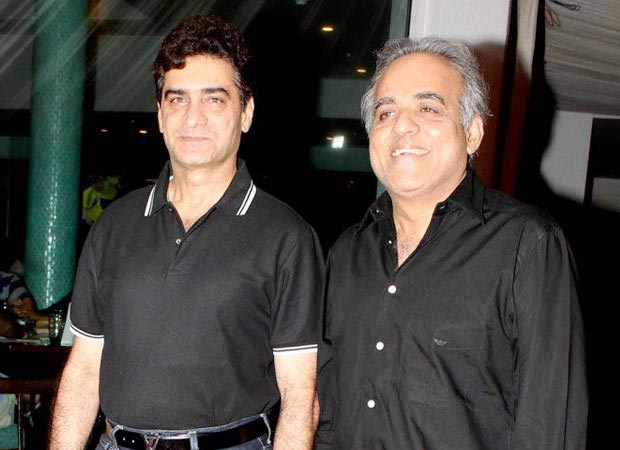
The Bollywood film industry has recently been rocked by a high-profile legal controversy involving Maruti International, a prominent production and distribution company. The company is under scrutiny amid serious allegations of financial fraud totaling Rs 1.50 crore, connected to the rights of the beloved 2007 comedy film Dhamaal. The dispute brings together key industry players—including director Indra Kumar and producer Ashok Thakeria—and raises critical questions about intellectual property rights, contractual obligations, and transparency within Bollywood’s vibrant ecosystem.

The Genesis of the Dispute: Alleged Breach of Rights and Fraudulent Dealings
According to official statements and legal documents, the controversy originated from an agreement allegedly signed between Mumbai-based film distributor Grand Master—owned by Vikas Baldevraj Sahni—and Maruti International on October 15, 2019. The deal was purportedly for the global distribution rights, digital rights, and copyrights of Dhamaal, a film that has attained cult status over the years. Starring Bollywood stars like Sanjay Dutt, Arshad Warsi, Jaaved Jaaferi, and Riteish Deshmukh, Dhamaal’s comedy and ensemble cast made it a commercial hit and a franchise with a dedicated fan base.
The reported value of this rights deal was Rs 1.50 crore, a relatively modest figure considering the film’s popularity and subsequent franchise success. However, the controversy deepened when allegations surfaced that the rights had already been sold to another major Bollywood entertainment company, Shemaroo Entertainment, in 2015—four years prior to the alleged agreement with Maruti International.
Key Allegations and Legal Proceedings
Vikas Sahni, representing Grand Master, filed an FIR (First Information Report) against Indra Kumar and Ashok Thakeria on August 17, 2023, claiming that his company was defrauded of rights and money. Sahni asserts that he was initially assured that the rights to Dhamaal had not been sold to any other entity. However, he later discovered that digital and OTT rights for Dhamaal had already been transferred to Shemaroo Entertainment in 2015, well before the 2019 agreement with Maruti International.
Further complicating matters, Sahni alleges that in January 2020, a representative from Maruti International confirmed the existence of the agreement with Shemaroo, which supposedly covered the film’s rights for its entire lifetime. This revelation suggests a possible breach of trust and contractual obligation, raising questions about transparency and fair dealings within Bollywood’s rights management processes.
Adding to the legal complexity, Grand Master applied for copyright registration of Dhamaal in March 2020. The Copyright Office subsequently granted copyright certificate CF-5230/2023 on April 28, 2023, validating the company’s claim to certain rights associated with the film. This move might have implications for the ongoing legal proceedings and the rightful ownership of the film’s intellectual property.
Official Responses and Industry Implications
In response to the allegations and media reports, Maruti International issued an official statement emphasizing its commitment to resolving the matter amicably. The company stated, “We are currently in discussions with the concerned party, and the matter regarding the rights will be resolved mutually after further discussions.” This cautious tone indicates an intention to settle the dispute without escalating to prolonged litigation, but industry insiders remain vigilant about the potential ramifications.
Maruti International has longstanding ties with Bollywood’s entertainment industry, especially through its association with producer Ashok Thakeria. When such disputes surface, they often spotlight broader issues related to rights management, transparency, and contractual clarity—areas that Bollywood continues to grapple with as digital distribution and OTT platforms expand rapidly.
The Cultural and Commercial Impact of Dhamaal
Dhamaal isn’t just a film; it’s a cultural phenomenon within Bollywood comedy circles. Released in September 2007, the film’s slapstick humor and ensemble cast resonated with audiences, earning it a cult status that endures to this day. Its success led to multiple sequels, with the latest installment, Dhamaal 4, featuring Bollywood superstar Ajay Devgn in the lead role, released recently to positive audience response.
The franchise’s continued popularity underscores the importance of rightful ownership and distribution rights in Bollywood’s lucrative film landscape. Rights disputes like the current controversy threaten to impact future franchise developments, distribution deals, and the overall valuation of Bollywood’s cinematic assets.
Broader Context: Rights Management and Legal Challenges in Bollywood
The ongoing case involving Maruti International and the alleged misappropriation of Dhamaal’s rights sheds light on prevalent issues within Bollywood regarding intellectual property management. As digital platforms like Netflix, Amazon Prime, and Disney+ Hotstar increasingly dominate content consumption, rights-related disputes are escalating. The industry has seen numerous cases where rights were sold multiple times or misrepresented, leading to legal battles that can tarnish reputations and cause financial losses.
This specific case also emphasizes the need for clearer contractual frameworks and due diligence when dealing with rights transfers. Bollywood, often characterized by complex negotiations and diverse stakeholders, must strengthen its legal processes to prevent such disputes, protect artists’ and producers’ interests, and maintain industry integrity.
What’s Next?
As the legal proceedings unfold, all eyes are on the resolution of this dispute. The outcome could set important precedents for Bollywood’s rights management practices and influence future contractual standards. Both parties are expected to continue negotiations, potentially leading to a settlement or a judicial ruling that clarifies the rights ownership of Dhamaal.
The case also serves as a reminder to filmmakers, producers, and distributors to meticulously document rights transfers and maintain transparency, especially in an era where digital rights are more valuable than ever.
Conclusion: A Wake-up Call for Bollywood’s Intellectual Property Ecosystem
The controversy surrounding Maruti International and the alleged Rs 1.50 crore fraud over the rights to Dhamaal highlights critical issues facing Bollywood today. It underscores the importance of robust legal frameworks, transparency in rights management, and ethical business practices. As Bollywood continues to grow on the global stage, protecting intellectual property rights will be paramount to ensuring sustainable growth and safeguarding the interests of creators, investors, and audiences alike.
Meanwhile, fans of Dhamaal and Bollywood enthusiasts await the final outcome, hoping for a resolution that honors the legacy of a film that has brought joy and laughter to millions. As the industry evolves, lessons from this case could lead to better governance and more secure rights management, fostering a healthier and more transparent Bollywood ecosystem.