Rajkumar Santoshi’s ‘Batwara 1947’: A Heartfelt Bollywood Period Drama Sparks Praise Despite Modest Box Office Performance
In the vibrant world of Bollywood, where films often become cultural phenomena overnight, director Rajkumar Santoshi’s latest historical drama, Batwara 1947, has been making waves for its compelling storytelling and powerful performances. Starring the legendary Sunny Deol in a groundbreaking role as a Muslim character—his first time portraying such a role—this film has garnered a highly positive reception from audiences and critics alike. However, despite the glowing word of mouth and emotional responses, the film’s box office numbers have yet to reflect the same level of enthusiasm. This intriguing situation has sparked conversations about the intersection of content, audience perception, and box office success within the Bollywood industry.
Positive Audience Feedback and Emotional Impact
Since its release, Batwara 1947 has been praised for its authentic depiction of the tumultuous period surrounding the 1947 Partition of British India, a defining moment in the subcontinent’s history. The film’s emotional depth resonates strongly with viewers, many of whom have expressed their admiration through heartfelt fan mails and increased bookings. Audience members who have watched the film report being visibly moved—some even tearful as they leave the theatres, a testament to the film’s potent storytelling and evocative portrayal of pain, loss, and resilience during one of India’s most challenging eras.

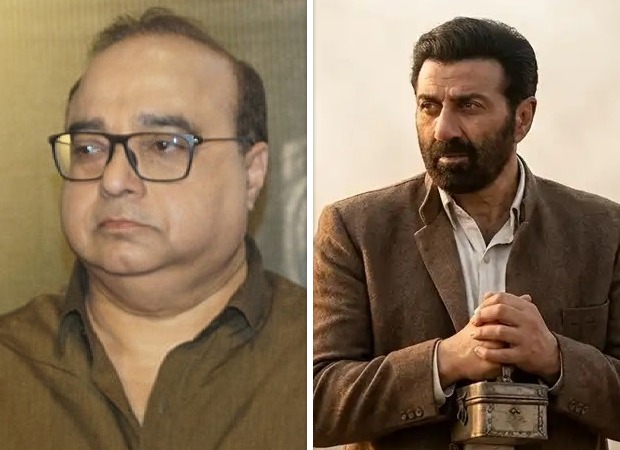
Director Rajkumar Santoshi, speaking in an exclusive interview with Zoom, emphasized the emotional reactions he’s received from viewers. “People are calling and appreciating it immensely. They are sending fan mails, booking tickets, and sharing how the film has touched their hearts,” Santoshi revealed. “When asked about their experience after watching, many are tearful and emotional. It’s clear that the film strikes a chord.”
Comparisons with Sunny Deol’s Blockbuster Gadar
Interestingly, some viewers have drawn comparisons between Batwara 1947 and Sunny Deol’s iconic 2001 blockbuster Gadar: Ek Prem Katha. Many critics and audiences have lauded the new film, claiming it surpasses Gadar in terms of depth and emotional impact. Santoshi shared, “People are saying it’s a bigger film than Gadar and that it’s a better film overall. Gadar remains one of Sunny Deol’s biggest hits, but this new film seems to have elevated his acting to new heights.”
Despite these accolades, the film’s box office performance has been somewhat disappointing, especially considering the critical acclaim and audience praise. This disconnect raises questions about what factors influence the commercial success of Bollywood films, particularly those that deal with sensitive historical narratives.
Understanding the Box Office Discrepancy
While Batwara 1947 continues to garner praise for its storytelling and performances, its modest ticket sales have left many industry insiders surprised. Santoshi expressed his own bewilderment over the situation, stating, “It’s surprising that despite the appreciation, the box office numbers are not reflecting the same enthusiasm. I wonder why audiences are hesitant to come to theatres.”
One possible reason, he suggests, could be the film’s portrayal of a Muslim character played by Sunny Deol—a Bollywood superstar known predominantly for his action-packed roles and patriotic characters. Santoshi posits that some audiences might be hesitant due to preconceived notions or regional sensitivities around the subject matter. “People have heard that Sunny is playing a Muslim for the first time, and perhaps that’s influencing their decision not to watch,” he explained. “But I urge viewers to experience the film firsthand before forming an opinion.”
Challenging Stereotypes and Regional Biases in Bollywood
Santoshi’s remarks open a broader discussion about how regional and religious identities influence Bollywood’s box office dynamics. Historically, Indian cinema has often been scrutinized for its portrayal of different communities, sometimes resulting in bans, protests, or boycotts. Santoshi’s analogy with Hollywood’s Spider-Man offers a compelling perspective: “If Spider-Man’s name was Aslam Sheikh and set in Pakistan, would the film be rejected solely based on its name and setting? Probably yes. But does that diminish the character’s qualities or the story’s universality? No.”
This analogy underscores the importance of judging a film on its artistic and emotional merits, rather than superficial labels or regional associations. Santoshi’s plea is for audiences to look beyond stereotypes and appreciate the film’s core message of unity, empathy, and shared history—values that resonate universally across borders and cultures.
Sunny Deol’s Transformative Role and Bollywood’s Evolving Narratives
Sunny Deol’s portrayal in Batwara 1947 has been hailed as one of his career-best performances. The actor, renowned for his intense and patriotic roles, has stepped out of his traditional mold to deliver a nuanced portrayal of a Muslim character caught in the chaos of Partition. Santoshi lauded his star’s dedication, saying, “Sunny has given a remarkable performance. This film is undoubtedly one of the best in his illustrious career.”
In recent years, Bollywood has seen a shift towards more diverse and socially relevant narratives, with filmmakers exploring complex historical and cultural themes. Batwara 1947 exemplifies this trend, blending history with personal stories that highlight the human cost of political upheaval. Such films not only entertain but also educate audiences about lesser-known facets of India’s history, fostering empathy and understanding.
Behind the Scenes: A Collaborative Effort
The film is a period drama set against the backdrop of Lahore during the 1947 Partition, a time marked by upheaval, displacement, and the struggle for identity. Co-written and directed by Rajkumar Santoshi, the project was produced by none other than Aamir Khan under his renowned production banner, Aamir Khan Productions. The film’s compelling narrative draws inspiration from Asghar Wajahat’s acclaimed drama Jis Lahore Nai Vekhya, O Jamya E Nai, weaving a poignant tale of love, loss, and resilience.
Released on August 14, 2026, coinciding with Pakistan’s Independence Day, Batwara 1947 aims to foster a spirit of unity and reflection. The ensemble cast includes Sunny Deol, Preity Zinta, Shabana Azmi, Karan Deol, Ali Fazal, Abhimanyu Singh, Khushi Hajare, Kanikka Kapur, Waseem Rajput, and Isha Sandhir, each bringing authenticity and depth to their roles.
Looking Ahead: The Role of Bollywood in Bridging Divides
As Bollywood continues to evolve, films like Batwara 1947 exemplify the industry’s potential to serve as a bridge between communities, fostering dialogue and understanding through compelling storytelling. While box office figures are crucial for a film’s commercial success, the cultural and social impact of such projects can be equally significant.
Director Santoshi’s appeal for audiences to watch the film before judging highlights an important message: art should be appreciated for its ability to challenge perceptions and promote empathy. In a time when divisions are often highlighted in media, Bollywood has the power to unite people through stories rooted in shared history and human experience.
Final Thoughts: A Call for Courage and Open-Mindedness in Bollywood
In conclusion, Batwara 1947 stands as a testament to the evolving landscape of Bollywood—where stories of history, emotion, and cultural complexity are brought vividly to life. Despite its current box office performance, the film’s positive reception reaffirms the importance of storytelling that transcends superficial biases and regional stereotypes.
As Santoshi urges, the audience’s role is vital: “Come to theatres, watch the film, and then decide. Let’s celebrate Bollywood’s rich tradition of storytelling that unites us all, regardless of our backgrounds.” With such films, Bollywood continues to reinforce its position as a powerful medium for cultural dialogue—an industry that not only entertains but also enlightens.