Ramayana 2 Set for Diwali 2028 as Part One Ends with Sunny Deol’s Lord Hanuman Reveal
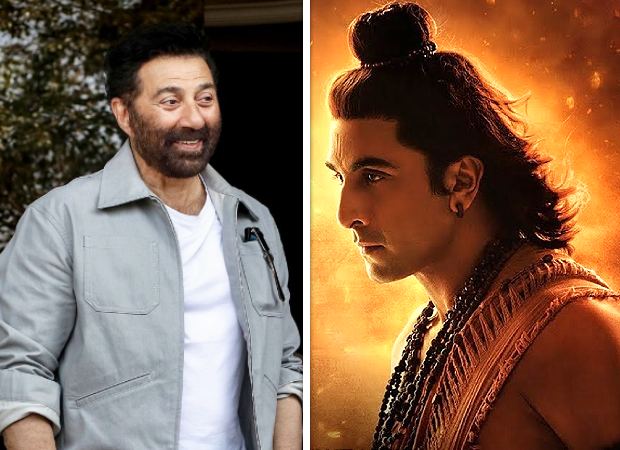
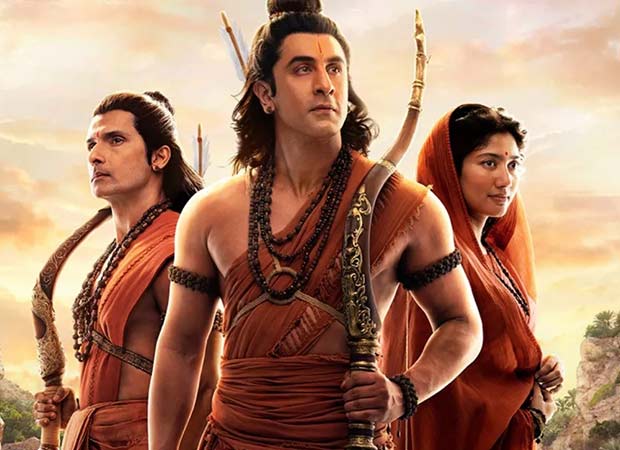
The release plan for Ramayana 2 has now been officially confirmed, reinforcing an earlier report from Bollywood Hungama. The sequel is scheduled to reach cinemas on Diwali 2028, a year later than the date initially announced. The reveal arrives as the first instalment builds anticipation around its ending, which features Sunny Deol’s dramatic introduction as Lord Hanuman.
For fans of the ambitious Bollywood epic, the confirmation offers two major talking points: the sequel’s revised timetable and the promise of a high-impact final sequence in Part One. Together, they give audiences a clearer sense of how the filmmakers intend to connect the two chapters—and keep viewers invested in the story beyond the first film.

Ramayana sequel release date confirmed for Diwali 2028
The makers first unveiled an asset from Ramayana on July 3, 2025, setting off a wave of discussion about the scale and direction of the project. At the time, they announced that Part One would release in cinemas during Diwali 2026, with the second instalment planned for Diwali 2027.
On October 23, Bollywood Hungama reported that Ramayana 2 had been pushed back by a year, moving its planned release to Diwali 2028. The report quickly circulated among fans and film-trade observers, prompting speculation about the production schedule and the creative work required to complete a project of this scale.
The film’s newly confirmed release slate has since matched that report: Ramayana 2 will arrive in theatres on Diwali 2028. The updated date gives the makers an additional year between the two films, creating room for the sequel’s production and post-production work. For a large-scale mythological feature, that time can be particularly important, as visual effects, sound design, action sequences and world-building may require extensive development.
Sunny Deol’s Lord Hanuman appearance planned as a major finale
The sequel date is not the only earlier Bollywood Hungama report confirmed by the film’s ending. The publication had also reported that Sunny Deol’s appearance as Lord Hanuman would be saved for the concluding moments of Part One. In the film’s finale, the actor makes a grand entrance as the end credits begin, giving the first instalment a rousing send-off while introducing a key figure for the next chapter.
That choice gives the ending a dual purpose. It provides a climactic moment for viewers who have followed the first film, while also establishing a narrative bridge to the sequel. Rather than simply closing one part of the story, the scene is designed to leave audiences with a new development to discuss—and a compelling reason to return for the next instalment.
On September 1, Bollywood Hungama quoted a source explaining the thinking behind the reveal. The source said the aim was to leave audiences on a major high, drawing a comparison with the memorable ending of Baahubali: The Beginning. That film’s unanswered question—“Why did Kattappa kill Baahubali?”—became a cultural talking point and helped fuel anticipation for its sequel.
The strategy behind Ramayana is different in its details, but similar in its use of a powerful closing moment. Introducing Lord Hanuman at the end of Part One can generate curiosity about the role he will play in the larger story, while allowing the second film to begin with a character audiences are already eager to see.
A two-part epic designed to sustain audience interest
Splitting a major story across two films presents both an opportunity and a challenge. The first instalment needs to feel satisfying on its own, yet it must also leave enough narrative momentum to support a follow-up. A carefully timed character reveal can help achieve both goals: it gives the first film a memorable final beat and signals that the wider story is still unfolding.
For Ramayana, the Lord Hanuman introduction also carries particular significance because the character occupies a central place in the epic’s enduring cultural imagination. Sunny Deol’s casting has therefore become one of the film’s most closely watched elements. His appearance at the end of Part One is likely to invite discussion about how the character will be developed and how prominently he will feature in the sequel.
The Diwali release window adds another layer of interest. The festive period is traditionally an important time for Indian cinema, when families often head to theatres and major releases can benefit from strong public attention. Scheduling the two instalments around Diwali in successive years also gives the franchise a clear calendar identity—although the revised 2028 date means viewers will now have a longer wait for the second chapter.
What the updated timeline means for fans
With the sequel confirmed for Diwali 2028, audiences can expect the first film’s ending to do more than deliver spectacle. Sunny Deol’s arrival as Lord Hanuman is positioned as a key transition point, while the date announcement makes the next step in the release plan official. The combination turns the finale into both a dramatic payoff and a launchpad for the continuing story.
The additional year may also shape expectations. Viewers will be looking for details about the sequel’s cast, story direction, production progress and visual scale as the release approaches. Until more information is shared, the confirmed date and the end-credit reveal provide the clearest indications of what lies ahead.
For now, Ramayana is building anticipation on two fronts: the spectacle of its first instalment and the promise of a larger continuation. With Part One set for Diwali 2026 and Ramayana 2 scheduled for Diwali 2028, the filmmakers have established a long-term release plan—and given fans a memorable reason to keep the epic in conversation.