Controversy Surrounds Bollywood Filmmaker Sayani Gupta’s Directorial Debut ‘Aasmani’ at the Indian Film Festival of New Zealand
The world of Bollywood is no stranger to drama, controversy, and passionate artistic expression, and recent events surrounding actor-turned-director Sayani Gupta’s debut film, Aasmani, are no exception. What was anticipated to be a proud moment for Gupta and her supporters has now become a complex story involving festival cancellations, legal disputes, and a powerful assertion of artistic integrity. This developing narrative not only highlights the challenges faced by independent filmmakers in India and beyond but also underscores the importance of transparency, copyright, and the unyielding pursuit of creative truth in Bollywood’s evolving landscape.
The Dispute Unfolds: A Film Festival’s Withdrawal and the Allegations
Initial Invitation and Sudden Withdrawal
In a surprising turn of events, the Indian Film Festival of New Zealand (TIFFNZ), an esteemed platform showcasing diverse cinematic voices, withdrew its invitation to screen Sayani Gupta’s Aasmani. The festival’s organizers cited concerns related to copyright infringement and confidentiality issues, leading to the abrupt cancellation of the screening. According to reports from Variety India, the decision was made amidst ongoing legal and formal disputes concerning the film’s originality and handling of sensitive content.

Festival director Petrina D’Rozario confirmed the withdrawal, emphasizing that the decision was rooted in a commitment to protect the integrity of filmmakers and uphold the trustworthiness of the platform. She clarified that the move was a precautionary measure rather than a direct judgment on the film’s content or artistic merit, highlighting the importance of due process in resolving such disputes.
Implications for Bollywood and Independent Filmmaking
This controversy underscores a broader concern in Bollywood and the international film community about the importance of copyright protection, transparency, and ethical filmmaking practices. Independent filmmakers, often operating without the backing of large studios, face unique hurdles in safeguarding their creative works from infringement or misappropriation. Gupta’s case is a poignant reminder that even in a vibrant industry like Bollywood, respecting intellectual property rights remains a critical issue, especially as digital dissemination accelerates the spread of creative content.
Sayani Gupta Breaks Her Silence: Addressing the Allegations and Defending Her Artistic Integrity
Gupta’s Statement: “Aasmani is an Original Film”
After days of silence, Sayani Gupta publicly addressed the controversy, asserting her unwavering belief in the originality of her film. “I want to begin by clearly stating that Aasmani is an original film,” she declared, emphasizing her commitment to authentic storytelling. Gupta explained that her silence was not due to acceptance of the allegations but was a strategic choice to ensure that her response was grounded in facts and handled through proper legal channels.
“Since the allegation was put forth before the appropriate authority, I followed due process and believed that facts should be placed there, and not tried through WhatsApp groups, inboxes or public opinion,” she added. Her words reflect a desire for transparency and a plea for the industry to respect the legal process rather than sensationalize disputes through social media or informal channels.
Personal Inspiration and Thematic Roots of Aasmani
Gupta shared intimate insights into her artistic journey, revealing how her upbringing in Bengal influenced her storytelling. “I was born and raised in Bengal, immersed in stories, folklore, literature, philosophy, and humor long before I envisioned directing a film,” she said. Her grandmother, a philosopher, played a pivotal role in shaping her worldview, and her loss profoundly impacted her. Aasmani is, therefore, a tribute to the resilient women who have shaped her life, embodying values of strength, independence, and compassion.
Clarifying the Nature of the Allegation
Addressing the core of the controversy, Gupta explained that a fellow filmmaker from the Film and Television Institute of India (FTII) raised concerns, which she respects. However, she emphasized that the claim was based on assumptions rather than evidence, and she had not been given an opportunity to present her side. “The claim has been made based on assumptions, without watching my short-fiction comedy film,” she clarified, asserting that the dispute is being mischaracterized as a copyright infringement when, in her view, it is not.
Gupta also revealed that she was unaware of her colleague’s “unfinished” documentary project, further emphasizing that her film’s content is original and independent of any external work. Her stance highlights the importance of due diligence and clear communication within the creative community to prevent misunderstandings that can tarnish reputations and hinder artistic progress.
The Broader Context: Copyright, Creativity, and Independence in Bollywood
Copyright Protections and Artistic Freedom
Gupta’s assertion that her film is an original work touches on a critical issue in Bollywood—balancing copyright protections with artistic freedom. Copyright laws are designed to safeguard creators’ expressions, but they are often misunderstood or misapplied, especially in the context of independent filmmaking. Gupta’s experience underscores the necessity for filmmakers to understand and navigate copyright intricacies effectively, ensuring their works are protected while respecting others’ intellectual property.
Moreover, her emphasis on the difference between an allegation and a finding sheds light on the importance of due process. In Bollywood, where commercially driven projects sometimes overshadow artistic integrity, preserving the sanctity of originality is paramount. Gupta’s case serves as a reminder that independent voices must be protected and championed within the industry’s legal frameworks.
The Significance of Aasmani in Bollywood’s Cultural Landscape
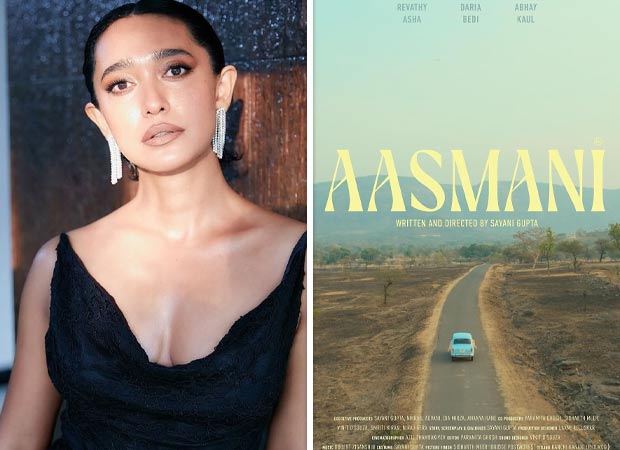
As her directorial debut, Aasmani is more than just a film; it is a testament to the growing influence of actress-turned-directors in Bollywood. The film stars veteran actor Revathy, Daria Bedi, and Abhay Kaul, and marks Gupta’s transition from acting to filmmaking—a path increasingly embraced by Bollywood’s leading talents eager to tell their stories from behind the camera.
Through its narrative—centered on a witty grandmother, her cheeky granddaughter, and their observant powder blue car named Aasmani—the film pays homage to women’s resilience, cultural storytelling, and the importance of personal history. Gupta’s decision to direct her own project reflects a broader trend in Bollywood, where actresses like Priyanka Chopra, Anushka Sharma, and Taapsee Pannu are making significant strides as filmmakers, diversifying the industry’s creative output.
Looking Ahead: What This Means for Bollywood and Independent Filmmakers
The controversy surrounding Aasmani serves as both a cautionary tale and a rallying cry for transparency and integrity within Bollywood. It highlights the urgent need for clearer legal frameworks, better industry education on copyright issues, and a supportive environment for independent voices to flourish without fear of misappropriation or unwarranted allegations.
For Sayani Gupta, the ordeal appears to reinforce her commitment to truth and artistic freedom. Her stance resonates with countless independent filmmakers in Bollywood and around the world, fighting to protect their creative expressions amid complex legal and commercial pressures.
Final Thoughts: A Film, a Fight for Truth, and the Future of Bollywood
As the story unfolds, it remains to be seen how the legal and procedural battles over Aasmani will resolve. What is clear, however, is that Gupta’s courage to speak out embodies the spirit of independent cinema—challenging the status quo, defending creative integrity, and advocating for the fundamental right to tell one’s own story.
In a Bollywood industry constantly evolving, stories like Gupta’s remind us that behind the glitz and glamour are passionate storytellers who deserve respect, protection, and a fair platform to showcase their work. As audiences continue to embrace diverse narratives, the industry must also reflect on its responsibilities to uphold artistic honesty and copyright integrity, ensuring that Bollywood remains a vibrant space for innovation and authentic storytelling.